Recent POST





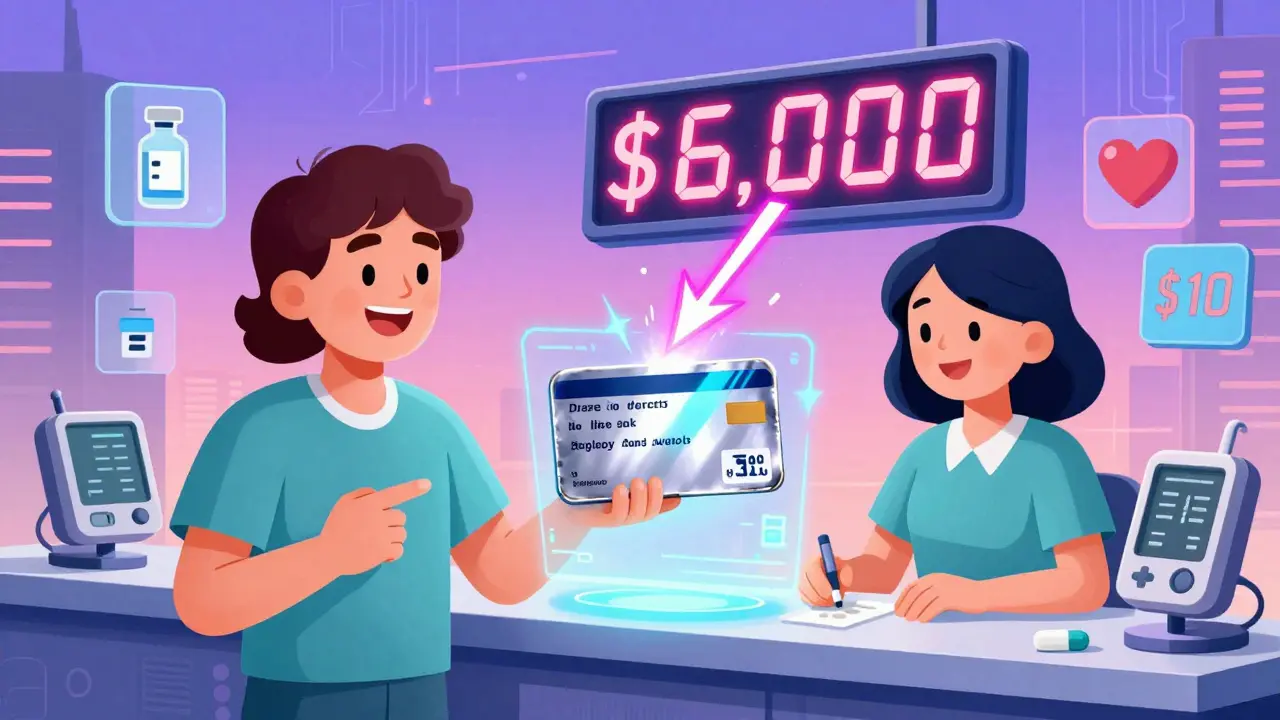
Brand-name drugs can cost hundreds-even over a thousand-dollars a month. If you’re insured but still struggling to afford your medication, you’re not alone. Millions of people in the U.S. rely on manufacturer savings programs to make their prescriptions affordable. These aren’t scams or gimmicks. They’re real, legal programs run by drug companies to help patients pay for expensive brand-name medicines. But they’re not simple to use. There are rules, traps, and hidden limits. Here’s how to actually use them-and what to watch out for.
What Are Manufacturer Savings Programs?
These are financial help tools offered directly by pharmaceutical companies. The two main types are copay cards and patient assistance programs (PAPs). Copay cards are the most common. They’re digital or physical cards you show at the pharmacy to instantly lower your out-of-pocket cost. PAPs are usually for people with very low income or no insurance, but many are now open to those with insurance too.They work because brand-name drugs have sky-high list prices-often 10x more than generics. A drug like Humira might cost $6,000 a month on the list, but with a copay card, you pay $10. The manufacturer covers the rest. That’s not a discount at the pharmacy. It’s a reimbursement from the drug company to the pharmacy after you pay.
These programs are everywhere. As of 2023, 98% of major brand-name drugs offer some kind of savings program. For diabetes, asthma, and heart disease drugs, nearly one in three prescriptions uses one. In 2023, these programs saved patients a total of $23 billion.
Who Can Use Them?
Here’s the first big catch: you must have private insurance. If you’re on Medicare, Medicaid, or any other federal health program, you’re not eligible. This is by law. The federal anti-kickback statute bans drug companies from giving discounts to people on government plans because it could push them toward more expensive drugs instead of cheaper generics.That means if you’re on Medicare Part D, you can’t use a copay card for your insulin, even if the manufacturer offers one. The same goes for Medicaid recipients. You’ll need to look at other options, like the $35 insulin cap under the Inflation Reduction Act or state-specific programs.
If you have private insurance-through your job, a spouse, or a marketplace plan-you’re likely eligible. But there’s another hurdle: your insurance plan might have an accumulator adjustment program. That means the money the manufacturer pays doesn’t count toward your deductible or out-of-pocket maximum. So even if your copay is $10, your deductible still thinks you paid $6,000. By the end of the year, you could be stuck paying thousands more before your insurance kicks in fully.
How to Find Your Program
Start with the drug name. Go to the manufacturer’s official website. Type in the brand name of your medication followed by “savings” or “assistance.” For example: “Jardiance savings program” or “Humira patient assistance.”Most companies have a dedicated portal. You’ll fill out a short form: your name, insurance info, prescription details, and sometimes proof of income. It takes 5-10 minutes. You’ll get a digital card emailed to you, or a code you can save on your phone. Some even send a physical card in the mail.
Or use a free aggregator site like GoodRx. Type in your drug and look for the “Manufacturer Coupon” option. GoodRx pulls data from over 70% of major drugmakers’ programs. It’s not perfect, but it’s faster than visiting 10 different websites.

How to Use It at the Pharmacy
When you pick up your prescription, hand your insurance card and your savings card to the pharmacist. Don’t just hand over one. Both are needed.The pharmacy’s system sends your claim to a third-party administrator-companies like ConnectiveRx or Prime Therapeutics. They check if you’re eligible, apply the discount, and then bill the drug company for the difference. You pay only your reduced copay.
It’s automatic. You won’t see the full price on your receipt. You’ll just see the final amount you owe. For many, that’s $0-$50 instead of $400-$600.
What You Need to Watch Out For
These programs aren’t foolproof. Here are the top three problems people run into:- They expire. Most copay cards last 12 to 24 months. After that, you have to reapply. Some companies auto-renew. Others don’t. Set a reminder. If you forget, your bill could jump overnight.
- They cap out. The maximum annual benefit is usually between $5,000 and $15,000. If your drug costs $10,000 a year and you use the full benefit, you’re covered. But if you’re on multiple high-cost drugs, you might hit the cap fast.
- They don’t count toward your deductible. As mentioned, accumulator programs are common. Check your insurance summary or call your insurer. Ask: “Does manufacturer assistance count toward my deductible and out-of-pocket maximum?” If the answer is no, you’re paying more over the year than you think.
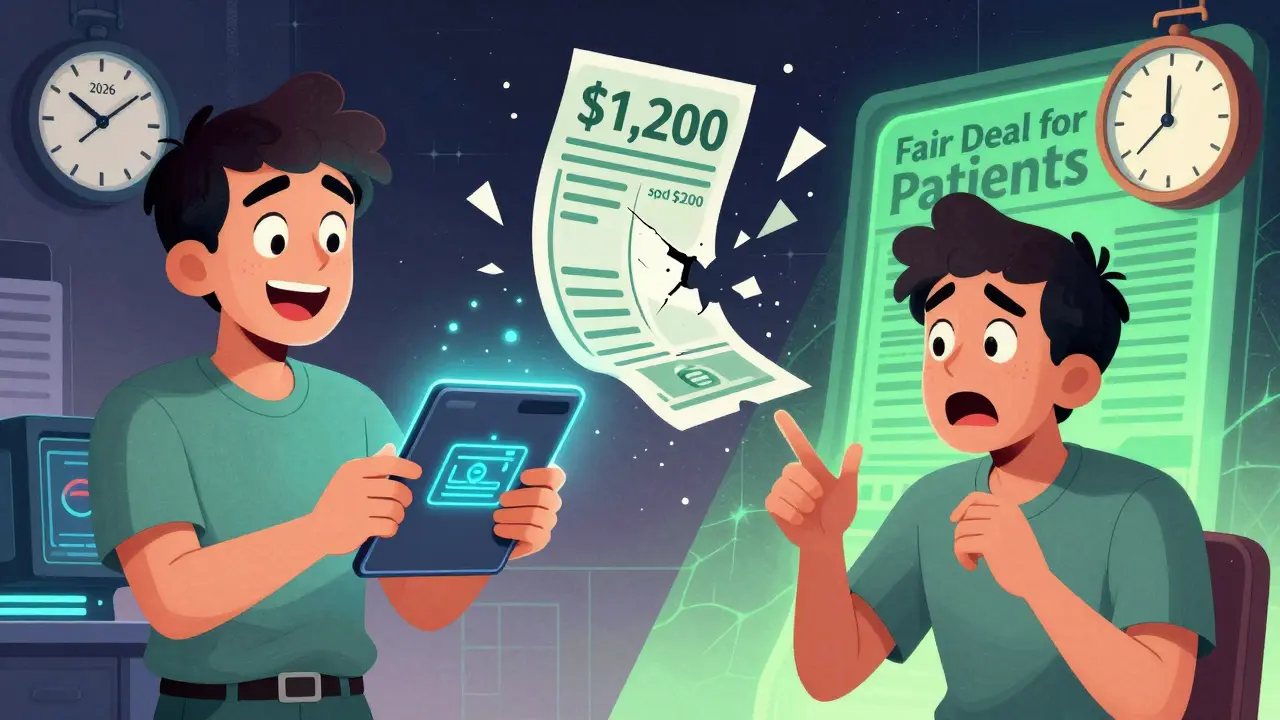
One patient on Reddit shared that after her Humira coupon expired, her monthly cost went from $100 to $1,200. She didn’t know the program had a 12-month limit. She had to switch to a biosimilar-only after months of financial stress.
Manufacturer Programs vs. Pharmacy Discount Cards
You might see GoodRx or SingleCare ads offering $50 insulin or $10 generic pills. Those are pharmacy discount cards. They’re different.Pharmacy cards work for both brand and generic drugs. They’re not tied to manufacturers. They negotiate bulk discounts with pharmacies. Savings are usually 30-60%. They’re great for generics and if you’re uninsured.
Manufacturer cards only work for brand-name drugs. But they’re deeper: 70-85% off. That’s why they’re so popular. But they only help if you have insurance. And they’re designed to keep you on the expensive brand instead of switching to a cheaper generic.
A 2016 study from the National Bureau of Economic Research found that copay cards increased brand drug sales by over 60%. That’s not an accident. Drug companies spend millions on these programs-not out of charity, but because they make money. Every patient who stays on a $6,000 drug instead of a $300 generic is a profit boost.
What Experts Say
There’s a huge debate about these programs. On one side, patients say they’re lifesavers. A 2023 survey found 78% of users cut their monthly drug costs from $450 to under $100. One Maine patient on Jardiance went from $562.50 a month to $100.On the other side, experts like Dr. Robin Feldman from UC Hastings say these programs distort the market. They let drugmakers keep prices high. They hurt insurance systems. And they push patients away from cheaper, equally effective generics.
PhRMA, the drug industry group, says these programs help patients afford innovative medicines. That’s true-for some. But the system is rigged to benefit the companies more than the patients long-term.
What You Should Do Now
If you’re paying a lot for a brand-name drug, here’s your action plan:- Check your insurance. Are you on Medicare or Medicaid? If yes, skip manufacturer cards. Look into the $35 insulin cap or state programs.
- Go to the drugmaker’s website. Search for “savings” or “assistance.”
- Apply. Fill out the form. Get your card or code.
- Call your insurer. Ask: “Does this program count toward my deductible and out-of-pocket maximum?”
- Use it at the pharmacy. Always bring both your insurance card and savings card.
- Set a calendar reminder. When does the card expire? When do you need to reapply?
- Check every 6 months. Programs change. New ones appear. Old ones disappear.
If your plan blocks manufacturer discounts, talk to your doctor. Ask if a generic or biosimilar is an option. Sometimes, switching drugs-even temporarily-can save you thousands.
What’s Changing in 2026?
The rules are shifting. More states are passing laws to ban accumulator programs. As of 2023, 32 states have done it. The federal government is watching. The 2023 Fair Deal for Patients Act, currently under review, would force manufacturers to count their discounts toward deductibles. If it passes, these programs will become less profitable for drug companies-and possibly less common.For now, they’re still your best shot at lowering costs for brand-name drugs. But don’t assume they’ll last. Use them while you can. Track them. And always have a backup plan.
Can I use a manufacturer savings program if I’m on Medicare?
No. Federal law prohibits drug manufacturers from offering copay cards or discounts to people enrolled in Medicare, Medicaid, or other government health programs. This is to prevent financial incentives that could push beneficiaries toward more expensive brand-name drugs instead of cheaper generics. If you’re on Medicare, look into the $35 monthly insulin cap under the Inflation Reduction Act or ask your pharmacist about other assistance programs.
Do these programs work with all pharmacies?
Most major chain pharmacies like CVS, Walgreens, and Walmart accept manufacturer savings programs. Smaller independent pharmacies may not have the systems in place to process them. Always call ahead or check the manufacturer’s website for a list of participating pharmacies. If your local pharmacy can’t process the card, you can usually get your prescription filled at a different location and still use the discount.
What if my copay card expires and I can’t afford my drug?
If your card expires and you’re suddenly facing a much higher bill, contact the manufacturer immediately. Some companies offer grace periods or reapplication options. You can also ask your doctor about switching to a generic or biosimilar. Many drugmakers have patient assistance programs for low-income individuals-even if you have insurance. Nonprofits like the Patient Access Network Foundation (PAN) or the HealthWell Foundation may also help cover costs.
Can I use a manufacturer savings card with a generic drug?
No. Manufacturer savings programs only apply to brand-name drugs because they’re designed to support the higher price of the branded version. Generic drugs are already much cheaper and don’t have manufacturer-run savings cards. For generics, use pharmacy discount cards like GoodRx instead, which often offer deeper savings than the brand-name version with a coupon.
Why do some insurance plans block manufacturer discounts?
Some insurance plans use “accumulator adjustment programs” to prevent manufacturer discounts from counting toward your deductible or out-of-pocket maximum. This means even if your copay is $10, your plan still counts your full drug cost toward your deductible. Insurers do this to discourage patients from choosing expensive brand drugs over cheaper generics. As of 2022, 87% of large employers used these programs. But 32 states have passed laws banning them, so check your state’s rules.

Siobhan Goggin
This is the kind of info that actually saves lives. I was paying $800/month for my diabetes med until I found the manufacturer program. Now it’s $15. No hype, no fluff-just real help.
Thank you for laying it out so clearly.

Vikram Sujay
The structural inequity inherent in this system is profound. Pharmaceutical corporations, incentivized by profit maximization, engineer financial mechanisms that ostensibly aid patients while simultaneously entrenching monopolistic pricing paradigms.
One must ask: if the cost of innovation is the exploitation of human vulnerability, then what is the moral currency of medical advancement?

Jay Tejada
So let me get this straight-drug companies charge $6k for a pill, then give you $5,990 off… but only if you’re not on Medicare?
That’s not a savings program. That’s a bait-and-switch with a lab coat.
And we wonder why people hate healthcare.

Shanna Sung
They don’t want you to know this but the government is secretly working with Big Pharma to keep you on brand drugs so they can track you through your prescriptions
That’s why they banned it for Medicare-so they can monitor who’s on what
They’re building a database
And your insulin is the key
Trust no one
Check your bloodwork for microchips

josh plum
People who use these programs are just enabling the system. If you really cared about lowering prices, you’d switch to generics or go without.
Stop being lazy and stop letting corporations get away with this. You’re part of the problem.
Also, Medicare exists for a reason-stop trying to cheat it.

Jack Wernet
As someone who has navigated this landscape across multiple countries, I find the U.S. model both astonishing and deeply troubling.
The tension between corporate incentive and patient welfare is not unique, but the scale and opacity here are unparalleled.
It is a system designed to confuse, not to care.

Charlotte N
I applied for the Humira card and got it but then my insurance said it doesn’t count toward my deductible so I’m still paying like $4k this year??
Wait so does that mean I’m paying more than if I didn’t have the card??
Why do they even call it a savings program then
Also my card expires in 9 months and I forgot to set a reminder
Help

Uzoamaka Nwankpa
I’ve been on this medication for 8 years and every time the card expires I feel like I’m being punished for being sick
They give you hope then take it away
And no one helps you when you’re left with a $1200 bill
It’s not fair
I’m tired
I just want to breathe

Akshaya Gandra _ Student - EastCaryMS
so i found the jardiance savings thing on goodrx but my pharmacy said they cant use it because theyre too small
is that normal??
also is it okay if i just screenshot the card or do i need to print it
thanks

Enrique González
Just did this for my asthma inhaler. Got it down from $450 to $20. Changed my life.
Do the work. Fill out the forms. Call your insurer.
You’re worth it.

Aaron Mercado
WHAT IF I TOLD YOU THE PHARMACEUTICAL COMPANIES ARE LYING ABOUT HOW MUCH THEY SPEND ON R&D??
THEY’RE MAKING BILLIONS AND GIVING YOU $10 COPIAYS TO KEEP YOU ADDICTED TO BRAND DRUGS
THEY KNOW YOU’LL NEVER SWITCH TO GENERIC
THEY’RE USING YOU
THEY’RE USING US
WE’RE ALL PIGEONS IN A LAB
AND THE $35 INSULIN CAP? A TINY CRUMB TO KEEP US QUIET

John Wilmerding
For those applying to manufacturer programs: ensure your insurance information is exact-mismatched names or dates of birth are the most common cause of denial.
Also, keep a printed copy of your approval email. Pharmacies sometimes lose digital access to the system.
And yes-set a calendar reminder. I’ve seen too many patients lose coverage after 11 months and panic when the bill arrives.
You are not alone in this. Reach out to patient advocacy groups. They exist to help.

Peyton Feuer
My mom’s on Medicare and couldn’t use her copay card for her heart med
She cried when the price jumped
So I found a nonprofit that helped her get it for $5
It’s not perfect but it’s something
Don’t give up. There’s always a way if you dig.

Chris Cantey
It’s all an illusion. The system is designed to make you feel like you’re winning while the real winners are the ones who own the patents.
You think you’re saving money?
You’re just buying time until the next crisis.
The real question isn’t how to use the card.
It’s how to dismantle the machine.

en Max
It is imperative to recognize that accumulator adjustment programs represent a systemic misalignment between third-party payer incentives and patient financial outcomes.
While manufacturer savings programs provide immediate relief, they concurrently exacerbate long-term cost-shifting mechanisms that disproportionately burden high-cost, chronic condition patients.
Therefore, a holistic approach-encompassing regulatory intervention, insurer transparency, and patient education-is not merely advisable, but ethically obligatory.
Write a comment