Recent POST
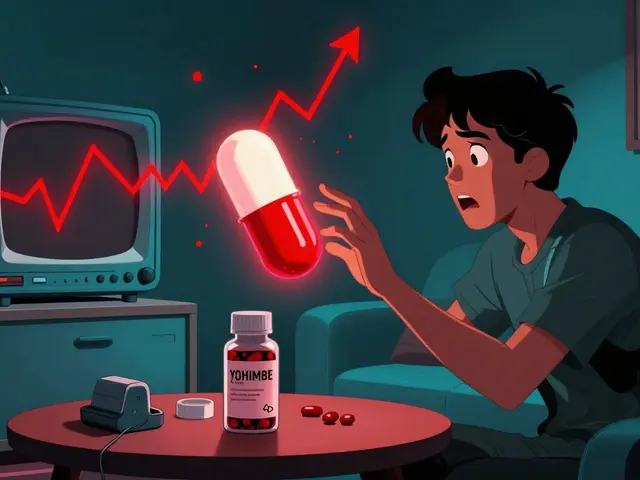




When you start a new medication, your doctor might say, "You might experience some side effects." But what does that really mean? And if you feel sick after taking your pill, is it a side effect-or something worse? The truth is, side effects and adverse drug reactions aren’t the same thing, even though people use them interchangeably. Mixing them up can lead to unnecessary fear, wrong decisions, and even dangerous outcomes. Understanding the difference isn’t just academic-it can save your health.
What Exactly Is a Side Effect?
A side effect is a known, predictable reaction to a drug that happens because of how the drug works in your body. It’s not a mistake. It’s not an accident. It’s built into the medicine’s design. For example, if you take an antihistamine for allergies and get drowsy, that’s a side effect. The drug blocks histamine to reduce sneezing-but histamine also helps keep you awake. So drowsiness is a direct, expected result. These reactions are usually dose-dependent. The more you take, the stronger the effect. That’s why doctors start with low doses and slowly increase them. Side effects are identified during clinical trials. Researchers compare groups taking the drug versus those taking a placebo. If a symptom-like dry mouth, nausea, or fatigue-happens significantly more often in the drug group, it’s labeled a side effect. Examples of common side effects include:- Constipation from opioids
- Increased urination from diuretics
- Weight gain from antidepressants like SSRIs
- Stomach upset from NSAIDs like ibuprofen
What Is an Adverse Drug Reaction?
An adverse drug reaction (ADR) is a broader term. It includes any harmful, unintended response to a drug taken at normal doses. But here’s the key: not every ADR is a side effect. Only the predictable, dose-related ones are. The rest are unpredictable-and often more serious. The World Health Organization defines an ADR as a response that’s noxious and unintended, occurring at normal therapeutic doses. That means if you take your pill exactly as prescribed and still get hurt, it’s an ADR. But ADRs come in two main types:- Type A (Augmented): These are the side effects we just talked about. Predictable. Dose-related. Make up 85-90% of all ADRs. Examples: liver damage from too much acetaminophen, kidney stress from certain antibiotics.
- Type B (Bizarre): These are rare, unpredictable, and not tied to the drug’s main action. They’re often immune-related or genetic. Think: a severe skin rash from penicillin, or sudden heart rhythm problems from a drug you’ve taken safely for years. These are harder to spot before they happen.
What’s an Adverse Event? (And Why It’s Not the Same)
Now, let’s clear up the third term you’ll hear: adverse event. This is the broadest category of all. An adverse event is simply any negative health occurrence that happens after you take a drug-whether it’s caused by the drug or not. For example: You start a new blood pressure medication. A week later, you fall and break your wrist. Was the drug the cause? Maybe not. Maybe you were rushing to answer the phone. But because the fall happened after you started the pill, it’s recorded as an adverse event. In clinical trials, every bad thing that happens to a patient is logged as an adverse event. Then researchers analyze: did it happen more often in the drug group than the placebo group? If yes → it’s a side effect. If no → it’s probably just a coincidence. A 2020 study on the blood thinner apixaban showed this clearly. Headaches occurred in 12.3% of people taking the drug and 11.8% of people taking a sugar pill. So headaches? Not a side effect. But major bleeding? That happened in 2.1% of the drug group versus 0.5% in the placebo group. That’s a confirmed side effect-and a serious one.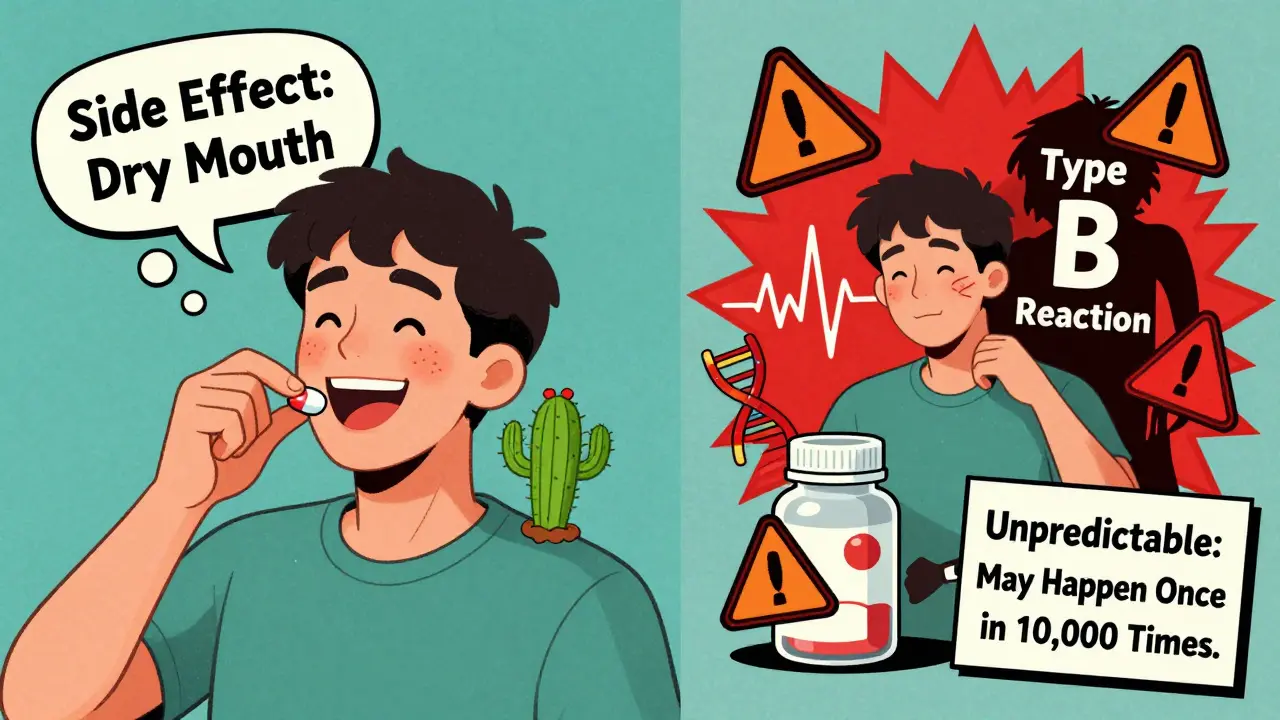
Why the Confusion Matters
You might think this is just semantics. But it’s not. When patients believe every bad feeling is a side effect, they stop taking life-saving meds. A 2021 study found that 43% of people discontinued important medications because they thought every symptom was caused by the drug-even when it wasn’t. Imagine someone taking a statin for cholesterol. They get a muscle ache. They assume it’s a side effect. They quit. A year later, they have a heart attack. But what if that ache was from a new workout routine? Or a vitamin D deficiency? Without proper evaluation, they never know. Doctors and pharmacists are trained to ask: Is this caused by the drug? But many patients don’t get that explanation. They hear “side effects” and assume everything bad is the drug’s fault. The FDA and global health agencies now require drug labels to clearly separate adverse events (all reports) from adverse reactions (confirmed causes). Pharmaceutical companies must prove causality before listing something as a side effect. That’s why the FDA received over 1.2 million adverse event reports in 2023-but only 32% were confirmed as actual adverse reactions.How Healthcare Providers Tell the Difference
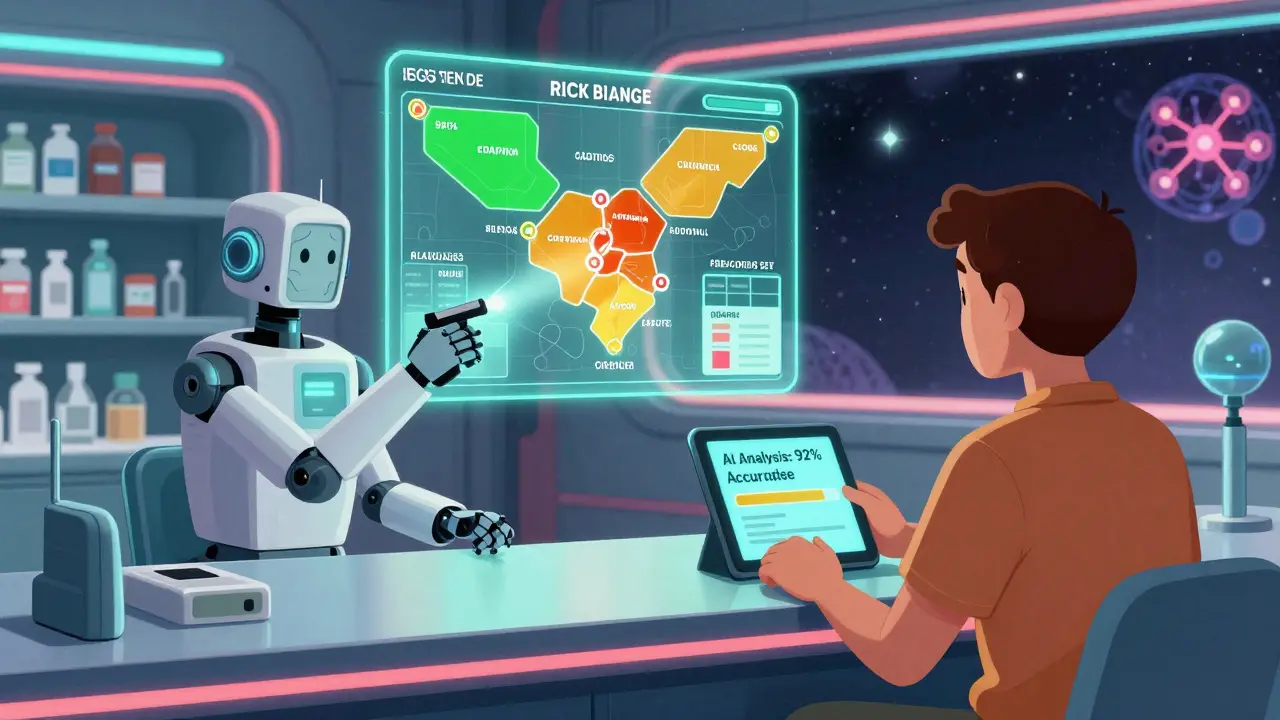
Doctors and pharmacists don’t guess. They use a system:- Timing: Did the symptom start after the drug was introduced? Did it get worse when the dose went up?
- Dechallenge: If the drug is stopped and the symptom goes away, that’s a clue.
- Rechallenge: If restarting the drug brings the symptom back (only done in controlled settings), it’s strong evidence.
- Comparison: Does this reaction match known profiles in databases like Micromedex?
What You Should Do
You don’t need to be a doctor to understand this. Here’s what to do if you feel something new after starting a medication:- Don’t panic. Not every symptom is the drug’s fault.
- Track it. Write down when it started, how bad it is, and what else changed around the same time (new food, stress, exercise, other meds).
- Call your doctor or pharmacist. Ask: “Is this a known side effect? Or could it be something else?”
- Don’t quit your meds without talking to someone. Stopping a drug suddenly can be more dangerous than the symptom you’re worried about.
The Bigger Picture
This isn’t just about labels. It’s about trust. When patients understand that not every bad feeling means the drug is dangerous, they’re more likely to stick with treatments that save their lives. And when doctors use precise language, they avoid miscommunication that leads to errors. New technology is helping. AI tools now analyze real-world data from electronic health records to spot true side effects faster. In one 2023 study, these tools improved detection accuracy by 41%. Genetic testing is also making it possible to predict who’s at higher risk for certain reactions-like people with a specific gene variant who are more likely to have bleeding on blood thinners. The goal isn’t to scare you. It’s to empower you. Medications are powerful tools. They can heal. But they can also harm-if we don’t understand how they work and what’s really happening in our bodies.Frequently Asked Questions
Are all side effects dangerous?
No. Many side effects are mild and temporary-like dry mouth, dizziness, or mild nausea. They often fade after a few days or weeks as your body adjusts. What matters is whether they interfere with your daily life or health. If they’re manageable, your doctor may recommend sticking with the drug. If they’re severe or persistent, you may need a change.
Can an adverse event become a side effect?
Yes. An adverse event is just an observation. If enough evidence shows it’s caused by the drug-through repeated cases, clinical trials, or scientific review-it gets reclassified as a side effect. For example, a rare heart rhythm issue with a new diabetes drug might start as an isolated adverse event. Later, after multiple reports and analysis, it becomes a listed side effect on the drug label.
Why do drug labels list so many side effects?
Drug labels include every possible side effect observed in trials-even rare ones-because of legal and safety requirements. Just because it’s listed doesn’t mean it’s common. For example, a label might say “risk of stroke” if it happened once in 10,000 patients. Your chance of experiencing it might be extremely low. Always ask your doctor which side effects are likely versus rare.
Can I report an adverse event myself?
Yes. In the U.S., you can report suspected adverse events to the FDA’s MedWatch program using Form 3500. You don’t need to be a doctor. If you notice a new, unexpected reaction after taking a medication, your report helps identify potential safety issues. Even if you’re unsure whether it’s the drug’s fault, report it. Experts will review the data.
Is there a difference between side effects and allergies?
Yes. An allergy is a specific immune system reaction-like hives, swelling, or anaphylaxis-triggered by a drug. It’s a type of adverse drug reaction (Type B), but not all side effects are allergies. For example, nausea from chemotherapy isn’t an allergy; it’s a side effect. Allergies are usually immediate, severe, and recur every time you take the drug. If you’ve had a true allergic reaction, you should avoid that drug for life.

Jodi Harding
So let me get this straight-my drowsiness from antihistamines is ‘built into the design’? Cool. So is my anxiety from SSRIs? Guess I’m just supposed to vibe with it like it’s a feature, not a bug. 🤷♀️

Danny Gray
Interesting. But have you considered that maybe the whole ‘side effect’ vs ‘adverse reaction’ distinction is just corporate legalese to avoid liability? The pharma companies don’t care if you’re miserable-they just need the FDA to say it’s ‘predictable.’

Tyler Myers
They’re lying. Every single one of them. The FDA? Compromised. The clinical trials? Rigged. You think they’d let a drug through if it caused sudden cardiac arrest in 1 in 10,000 people? Nah. They just call it a ‘rare adverse event’ and slap a tiny disclaimer on the bottle. Meanwhile, your doctor’s got a kickback from the rep. Wake up.
I’ve seen it. My cousin took that blood thinner-same one they’re talking about-and died in his sleep. The report said ‘unrelated.’ Bullshit. It was the drug. They just don’t want to admit it.
And don’t get me started on ‘dechallenge.’ That’s not science-that’s a loophole. You stop the drug, symptoms go away? Oh, great, we’ll just pretend it never happened. Meanwhile, your kidneys are fried.
They’re not trying to save you. They’re trying to keep you buying pills. The whole system is a pyramid scheme wrapped in a white coat.

Zoe Brooks
Thank you for this. I’ve been terrified of my new med for weeks, thinking every headache meant I was dying. Now I’m tracking stuff-sleep, stress, even what I ate. Turns out my muscle cramps started after I switched to almond milk. Who knew? 😅
Don’t panic. Don’t quit. Just observe. You got this.

Kristin Dailey
Why are we even discussing this? In America, we take our meds and shut up. If you can’t handle a little drowsiness, go live in Sweden.

Wendy Claughton
Wow. This is so important-and so poorly communicated. I wish every prescription came with a 2-minute video explaining this. I had no idea the difference between an adverse event and a side effect. I thought everything was ‘the drug’s fault.’
Thank you for clarifying. I’m going to share this with my mom. She quit her blood pressure med last year because she ‘felt weird.’ Turns out she just had a UTI. 😅

Stacey Marsengill
You think this is bad? Wait till you find out the FDA’s been quietly burying reports of suicidal ideation from antidepressants since 2018. They call it ‘mild anxiety.’ I call it a cover-up. And your ‘predictable’ side effects? They’re just the tip of the iceberg.
I’ve seen people die because their doctors dismissed their symptoms as ‘just stress.’ Don’t trust the system. Trust your gut. And if your doctor looks away when you mention a symptom? Find a new one.

Aysha Siera
Big Pharma owns the FDA. Everything you read is a lie. They want you dependent. They want you scared. They want you to think you need this. You don’t. You just need to wake up.

rachel bellet
While the taxonomy of adverse drug reactions (ADRs) is clinically useful, the operationalization of Type A vs. Type B remains confounded by pharmacovigilance bias. The current classification schema, rooted in the 1970s, fails to account for pharmacogenomic modulation of drug metabolism, particularly in CYP450 polymorphic populations. Consequently, Type B reactions are systematically underreported in heterogeneous cohorts, leading to misclassification of idiosyncratic events as ‘coincidental’ adverse events.
Further, the reliance on dechallenge/rechallenge protocols introduces significant temporal ambiguity in real-world settings where polypharmacy is the norm rather than the exception. Until we integrate EHR-driven machine learning models with pharmacokinetic phenotyping, this entire framework remains epistemologically fragile.

Pat Dean
People are too soft. You take a pill, you feel weird, you quit? Pathetic. Back in my day, we took our medicine and didn’t whine. Now everyone’s a hypochondriac with a smartphone. You want to live? Stop being so damn sensitive.
Write a comment