Recent POST

Why Stopping Steroids Cold Turkey Is Dangerous
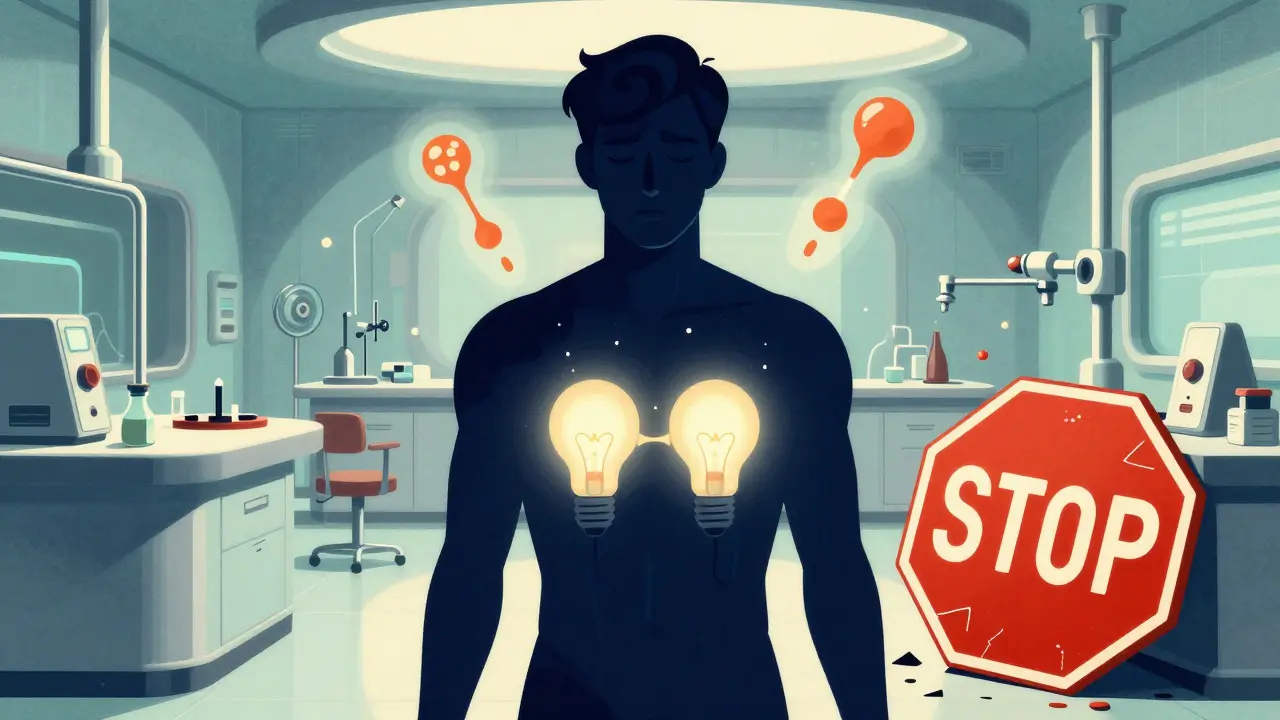
You’ve been on prednisone or another steroid for months. Your autoimmune condition is finally under control. You want to get off the medication as fast as possible. It’s a natural desire, but stopping suddenly can send your body into shock. This isn’t just about feeling tired; it’s about preventing a life-threatening event known as adrenal crisis.
When you take glucocorticoids for more than three to four weeks, your body stops making its own cortisol. The adrenal glands go dormant because they think you have plenty of the hormone coming from outside. If you cut the supply abruptly, those glands don’t know how to wake up instantly. According to data from the Mayo Clinic, this suppression makes abrupt discontinuation potentially dangerous. The goal of steroid tapering is to slowly lower the dose so your hypothalamic-pituitary-adrenal (HPA) axis has time to recover without triggering severe symptoms or bringing your original disease back with a vengeance.
The Three Phases of a Safe Taper Schedule
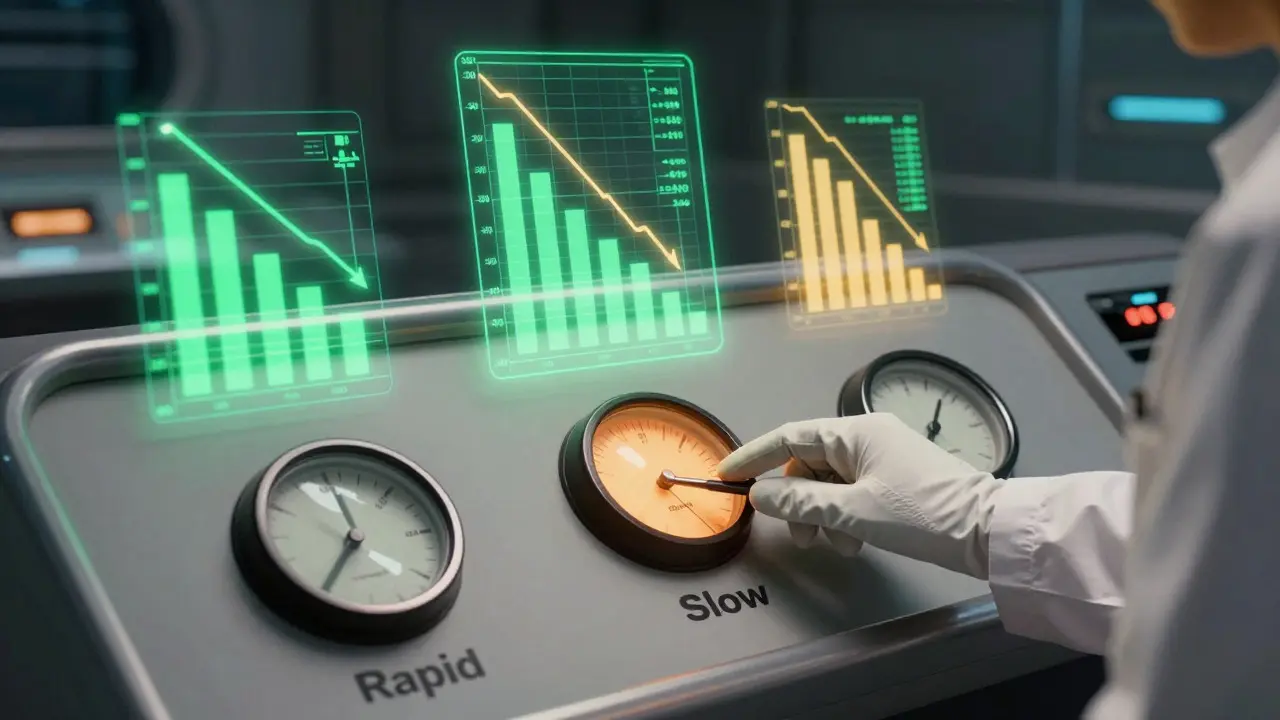
There is no one-size-fits-all schedule, but medical consensus points to a structured approach based on your current dosage. The PMC article 'The Glucocorticoid Taper: A Primer for Clinicians' outlines a clear three-phase strategy that balances speed with safety.
| Phase | Current Dose Range | Reduction Strategy | Key Focus |
|---|---|---|---|
| Rapid Taper | >20-40 mg/day prednisone equivalent | Reduce by 5-10 mg weekly OR 30-50% every 2-4 weeks | Getting down to physiological levels quickly while monitoring blood pressure |
| Gradual Taper | ≤20 mg/day down to 10 mg/day | Decrease by 5 mg every 2 weeks or 2.5 mg weekly | Monitoring for Glucocorticoid Withdrawal Syndrome (GWS) like joint pain and fatigue |
| Slow Taper | ≤10 mg/day down to 0 mg | Reduce by 2.5 mg every 2 weeks until 5 mg, then slower steps | Allowing HPA axis recovery; smallest changes matter most here |
At high doses, your body tolerates larger cuts. But once you drop below 10 mg per day, things change. This is where many people hit a wall. At these near-physiological doses, even a small reduction can trigger significant symptoms. Some clinicians suggest switching from prednisolone to hydrocortisone at this stage because hydrocortisone has a shorter half-life, which might help the adrenal glands wake up faster. However, evidence remains mixed, and many patients successfully wean directly off prednisone without switching medications.
Recognizing Withdrawal vs. Disease Flare
This is the trickiest part of the process. When you feel worse after lowering your dose, is it glucocorticoid withdrawal syndrome (GWS), or is your underlying autoimmune disease flaring up? Knowing the difference saves you from unnecessary panic or incorrect dosing adjustments.
GWS symptoms typically include generalized fatigue, muscle aches (myalgia), joint pain (arthralgia), and a general sense of malaise. These are non-specific but widespread. In contrast, a disease flare usually presents with specific signs related to your condition-such as increased swelling in specific joints for rheumatoid arthritis, or gastrointestinal bleeding for inflammatory bowel disease (IBD).
A study published in the British Journal of Clinical Pharmacology highlights that failing to distinguish between the two can lead to hospitalization. If you experience sudden hypotension (low blood pressure), severe dizziness, or vomiting alongside fatigue, suspect adrenal insufficiency rather than a simple flare. This requires immediate medical attention. For milder cases, WebMD patient data shows that 68% of people report mild withdrawal symptoms during tapering, with fatigue affecting 42% and joint pain affecting 37%. If your symptoms match GWS, holding the dose steady for a week or two often allows your body to catch up before attempting the next reduction.
Managing Symptoms Without Raising the Dose
It’s tempting to jump back up to a higher dose when you feel bad, but that resets the clock on your adrenal recovery. Instead, try supportive strategies that address the physical toll of tapering. Medical News Today analyzed 250 patient case studies and found that incorporating gentle movement reduced withdrawal symptom severity by 32%.
- For stiffness and pain: Try slow walks of 10-15 minutes twice daily. Research indicates this reduces stiffness by 57% compared to staying in bed, which actually worsens muscle atrophy and pain perception.
- For anxiety and sleep issues: Practice 10-minute daily meditation sessions. Clinical measurements show this decreases symptom severity by 43%. Sleep disturbances affect nearly 30% of tapers, so calming the nervous system is crucial.
- For energy crashes: Prioritize protein intake and hydration. Your body is under metabolic stress as it adjusts hormone levels.
Listen to your body, but don’t let temporary discomfort dictate long-term failure. Many patients describe "taper tantrums"-temporary spikes in irritability and pain when dropping below 10 mg. Acknowledge this phase, use supportive care, and hold the dose if needed, rather than increasing it.

Sick Day Rules: Protecting Yourself During Illness
Even after you stop taking steroids, your adrenal glands may not be fully functional for up to 18 months. This means you are vulnerable during times of physical stress, such as infections, surgery, or severe injury. This is where "sick day rules" come into play.
If you develop a fever over 38°C (100.4°F), vomiting, or diarrhea, you may need to temporarily double or triple your last maintenance dose (or restart a low dose if recently tapered) to prevent an adrenal crisis. The Australian Prescriber reports that 18% of emergency department visits for recently tapered patients result from failing to adjust doses during intercurrent illness. Always carry a steroid alert card for at least 12 months post-tapering. This card informs emergency responders that you have a history of adrenal suppression, ensuring they administer IV hydrocortisone if you become critically ill.
Personalized Tapering: The Future of Care
Medical guidelines are shifting away from rigid schedules toward personalized approaches. The American College of Rheumatology now recommends tapering based on disease activity markers rather than fixed timelines. For example, rheumatoid arthritis patients might use DAS28 scores to determine if it’s safe to reduce the dose further.
New technologies are also emerging. Apps like the Prednisone Taper Assistant use AI to adjust schedules based on real-time patient-reported symptoms, improving adherence by 82% in pilot studies. Additionally, CRH stimulation testing can now predict successful discontinuation with 89% accuracy, offering a scientific way to gauge HPA axis recovery rather than guessing based on feelings alone. While these tools are still primarily available in specialized centers, they represent a move toward safer, more precise tapering protocols.
How long does it take to taper off prednisone?
The duration depends heavily on how long you were on steroids and the starting dose. Patients on high-dose steroids for less than three weeks may only need 1-2 weeks to taper. However, those on long-term therapy (6+ months) often require 3-6 months of gradual reduction. There is no rush; going too fast increases the risk of withdrawal and relapse.
What are the signs of adrenal insufficiency?
Severe fatigue, low blood pressure (hypotension), nausea, vomiting, abdominal pain, and dizziness are key warning signs. If these occur suddenly, especially during illness or stress, seek emergency care immediately as this could indicate an adrenal crisis.
Should I switch to hydrocortisone before stopping?
Some clinicians recommend switching to hydrocortisone at low doses (below 10 mg prednisone equivalent) because its shorter half-life may mimic natural cortisol rhythms better. However, evidence is limited, and many patients successfully taper directly off prednisone. Discuss this option with your endocrinologist or rheumatologist.
Can exercise help with steroid withdrawal symptoms?
Yes. Gentle activities like walking, yoga, or warm-water pool exercises can significantly reduce muscle stiffness and fatigue. Studies show that regular light movement reduces withdrawal-related stiffness by over 50% compared to rest, helping maintain mobility while your hormones rebalance.
Do I need to carry a steroid alert card forever?
Not forever, but for at least 12 months after stopping. In some cases of very long-term use, adrenal recovery can take up to 18 months. During this window, your body may not respond adequately to stress without supplemental steroids, making the alert card a critical safety measure for emergency situations.