Recent POST


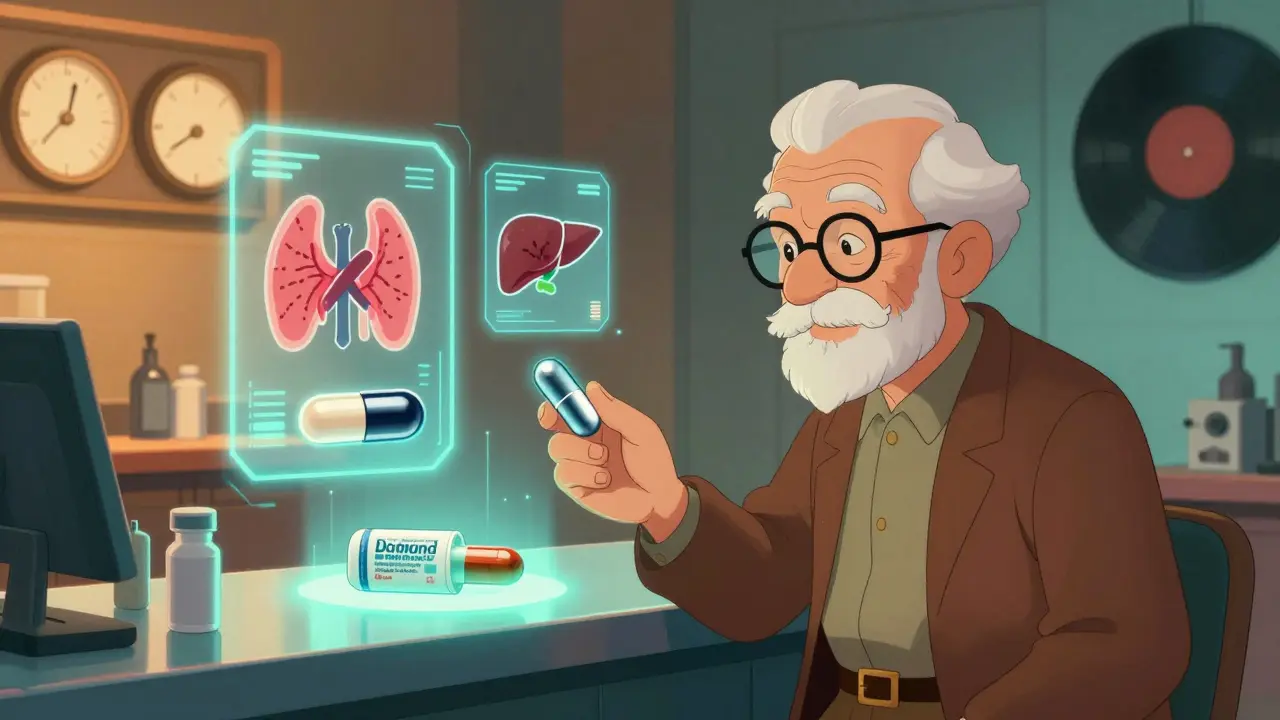
When older adults switch from brand-name drugs to generics, it’s not just a simple swap. For many seniors, especially those taking five or more medications daily, this change can trigger real concerns - and sometimes real health risks. The savings are clear: Medicare beneficiaries save an average of $602 per year by using generics. But behind the cost savings is a quiet crisis: nearly half of elderly patients don’t believe generics work as well as brand-name drugs, even though they’re required by law to be identical in active ingredients, strength, and dosage.
Why Do Older Adults Doubt Generics?
It’s not just about misinformation. Many seniors notice differences when they switch. The shape, color, or size of the pill changes. The name on the bottle is different. Sometimes, they feel worse after the switch - fatigue, dizziness, or a return of symptoms they thought were under control. A 2024 Reddit thread with 147 comments from elderly patients switching from Synthroid to generic levothyroxine showed that 73% reported their thyroid symptoms coming back. That’s not coincidence. It’s fear rooted in experience. The truth? For most medications, generics work just as well. But for some, especially those with narrow therapeutic windows, even tiny differences in how the body absorbs the drug can matter. Warfarin, used to prevent blood clots, is one of those. Studies show a 18.3% higher chance of an emergency room visit within 30 days after switching warfarin brands. That’s why the American Geriatrics Society says: don’t automatically swap warfarin without close monitoring. INR blood tests must be checked more often after a switch.How Aging Changes How Drugs Work
Your body doesn’t process medicine the same way at 80 as it did at 40. Kidneys slow down. Liver blood flow drops. Fat and muscle ratios shift. By age 85, over a third of adults have a body mass index low enough to change how drugs spread through the body. Nearly half of seniors over 65 have kidney function below the safe threshold for many medications. These changes create a narrow window where even small differences between brand and generic versions - like how fast the pill dissolves - can make a difference. It’s not that generics are weaker. It’s that older bodies are more sensitive. A pill that’s perfectly fine for a 50-year-old might cause a 78-year-old to feel dizzy or fall. And when someone’s taking eight or nine pills a day, the risk of a bad interaction skyrockets.The Real Danger: Polypharmacy and Over-the-Counter Mix-Ups
The biggest threat isn’t always the generic switch itself. It’s what comes with it. Seniors often take multiple prescriptions - an average of 6.2 daily medications, according to CMS data. That’s called polypharmacy. And it’s linked to a 91% higher chance of being hospitalized due to drug reactions. Add in over-the-counter meds - aspirin, ibuprofen, diphenhydramine (Benadryl) - and the problem gets worse. Four of the top 10 drugs used by seniors are available without a prescription. Many are sold in combo packs. One pill might contain acetaminophen and a sleep aid. Another might have ibuprofen and a stomach protector. People don’t realize they’re doubling up. One in five seniors accidentally overdose on acetaminophen. One in four takes too much aspirin. These aren’t mistakes from carelessness. They’re mistakes from confusion.Who’s Most at Risk?
Not all seniors face the same risks. Those with low health literacy - about 36% of adults 65 and older - are far more likely to misunderstand what generics are. In one study, half of these patients thought generics were less effective. The same group was less likely to report side effects or ask questions. Low-income seniors, especially those from minority backgrounds, are also more likely to distrust generics. A 2017 NIH study found that one in four believed generics were less effective. One in five thought they were less safe. And 20-40% weren’t sure about anything - not even whether the active ingredient was the same. The result? They skip doses. They stop taking the medicine. They go back to the brand name - if they can afford it. Or they don’t refill at all. Noncompliance rates among elderly patients range from 21% to 55%.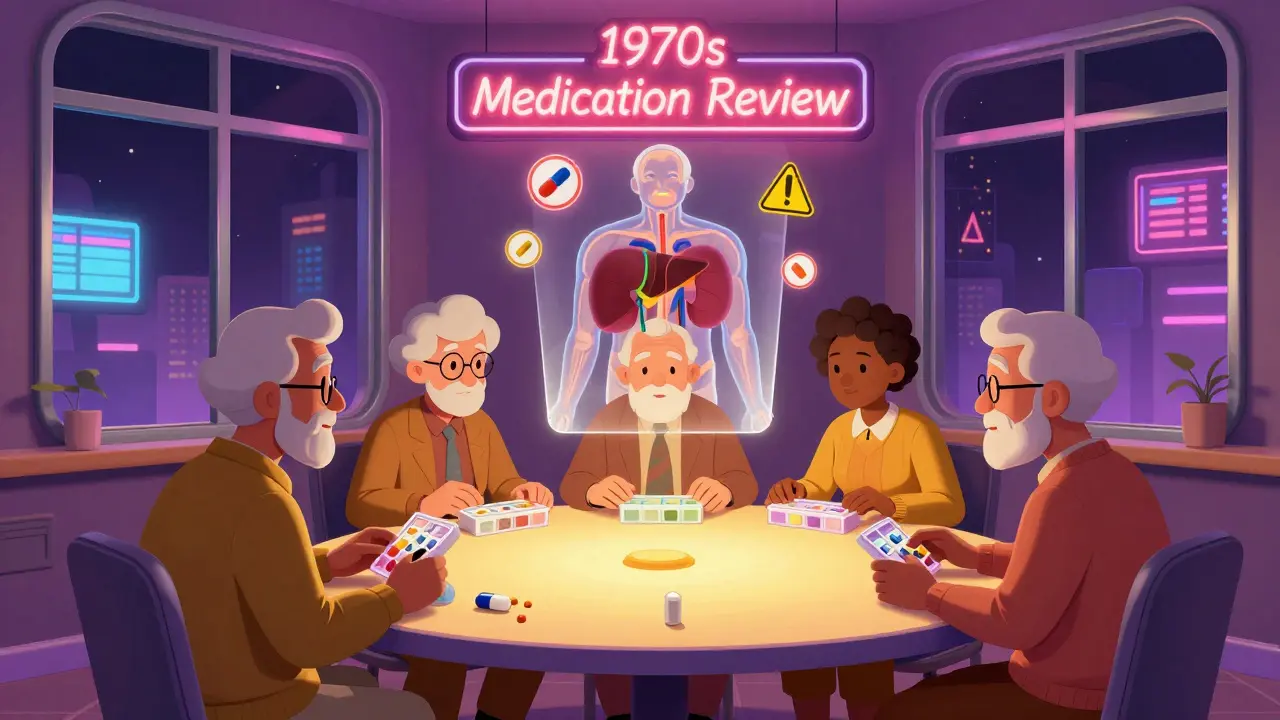
What Works: Better Communication, Not Just Substitution
Switching to generics isn’t wrong. It’s smart - if done right. The key isn’t just changing the prescription. It’s changing the conversation. One proven method is the “teach-back” technique. Instead of saying, “Here’s your new pill,” the pharmacist or nurse asks: “Can you tell me how this medicine is the same as your old one?” Studies show this simple question improves adherence by 42%. It forces the patient to explain what they understand - and reveals gaps before they become problems. Visual aids help too. Showing a side-by-side photo of the brand-name and generic pill, with labels pointing out the active ingredient is identical, cuts through fear. Many seniors don’t know that the FDA requires generics to match brand drugs within 80-125% of absorption. That’s not a loophole. It’s a strict standard. Pharmacists who work directly with geriatric teams reduce inappropriate prescribing by 37%. Computer systems that flag risky drug combinations help doctors avoid dangerous mixes. But these tools only work if someone takes the time to use them.When to Be Extra Careful
Some drugs need special attention when switching:- Warfarin: Requires INR blood tests before and after any switch. Never swap without doctor approval.
- Levothyroxine: Even small changes in absorption can affect thyroid levels. If symptoms return after switching, get a TSH test.
- Anti-seizure drugs: Like phenytoin or carbamazepine. Small changes can trigger seizures.
- Immunosuppressants: Like cyclosporine or tacrolimus. Used after organ transplants. Even tiny shifts can cause rejection.
The Big Picture: Savings vs. Safety
Medicare Part D filled over 527 million generic prescriptions in 2022 - nearly 90% of all prescriptions. That’s a win for the system. But savings mean nothing if patients stop taking their meds because they’re scared. The goal isn’t to push generics at all costs. It’s to make sure every switch is intentional, informed, and monitored. For most seniors, generics are safe and effective. For some, they’re not. The difference comes down to attention.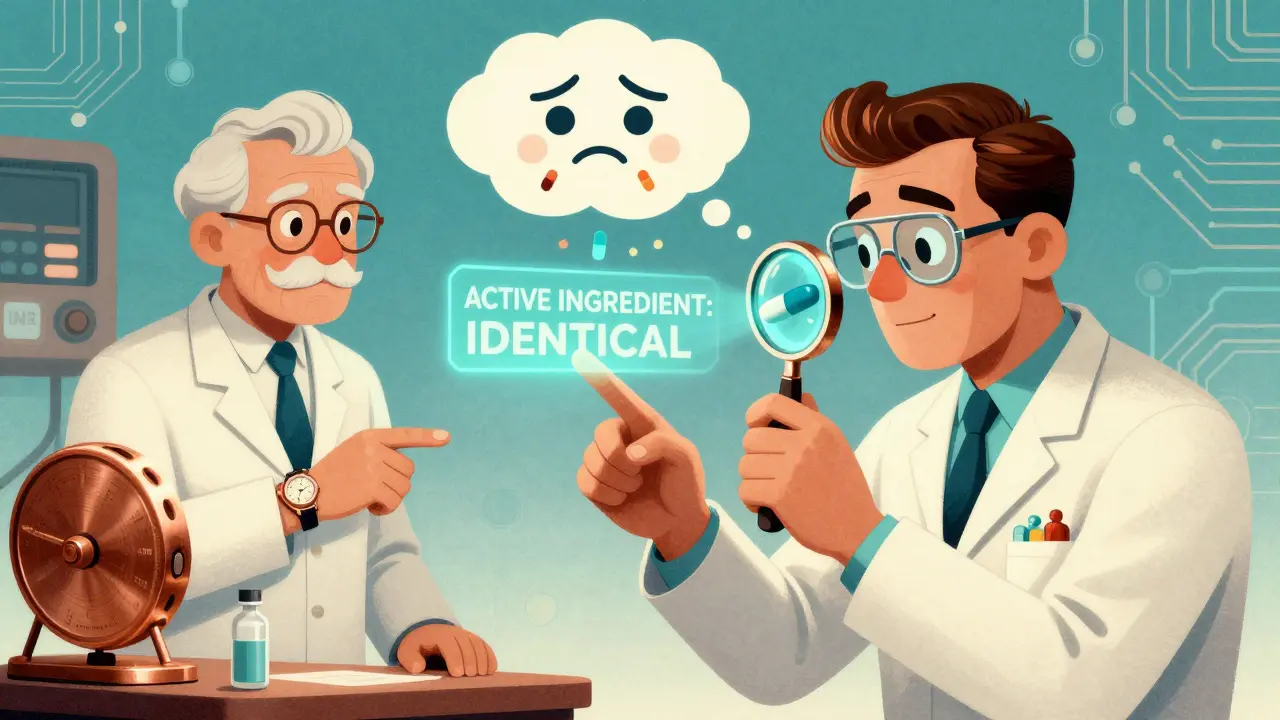
What Seniors and Families Can Do
- Ask your pharmacist: “Is this the same as my old pill? Why does it look different?”
- Keep a written list of all meds - including OTCs - and bring it to every appointment.
- If you feel different after a switch, don’t ignore it. Call your doctor. Get blood work if needed.
- Use a pill organizer. It helps spot missing doses or changes.
- Ask for a “medication review” once a year. Many clinics offer this for free.
What Providers Should Do
- Never switch warfarin, levothyroxine, or other narrow-window drugs without checking labs first.
- Use visual aids during counseling. Show the pills. Point to the active ingredient.
- Use teach-back: “Tell me how you’ll take this.”
- Screen for health literacy. If someone struggles to read or understand, simplify. Use pictures. Repeat.
- Work with pharmacists. They’re the frontline in catching problems.
What’s Next?
New research is underway. Three NIH-funded studies are now tracking elderly patients on multiple drugs to compare brand and generic outcomes over time. The American Geriatrics Society is updating its guidelines in late 2024 to include stronger recommendations for pharmacist-led medication reviews in emergency rooms and clinics. The message is clear: generics are not the enemy. But treating them like a simple cost-cutting tool is dangerous. Seniors deserve more than a cheaper pill. They deserve a conversation - and a plan.Are generic medications really as safe as brand-name drugs for elderly patients?
Yes, for most medications, generics are just as safe and effective. The FDA requires them to have the same active ingredient, strength, and absorption rate as brand-name drugs, with a strict 80-125% bioequivalence range. But for certain drugs - like warfarin, levothyroxine, or anti-seizure medications - even small differences in how the body absorbs the drug can matter, especially in older adults with slower metabolism. These cases need close monitoring after a switch.
Why do some elderly patients feel worse after switching to generics?
Some seniors report symptoms returning after switching, especially with drugs like levothyroxine. This isn’t always because the generic is weaker. It could be due to changes in pill size, color, or inactive ingredients that affect how quickly the drug dissolves. Older bodies process medicine differently - slower kidneys, less liver flow - so even minor absorption shifts can trigger side effects. In some cases, it’s also psychological: if a patient believes the generic is inferior, they may notice symptoms more. Always check blood levels if symptoms return.
Which medications should never be switched without doctor approval?
The American Geriatrics Society advises against automatic substitution for drugs with narrow therapeutic windows. These include warfarin (blood thinner), levothyroxine (thyroid hormone), anti-seizure drugs like phenytoin, and immunosuppressants like cyclosporine. For these, even small changes in blood levels can cause serious problems. Always get lab tests before and after switching, and never change without consulting your doctor.
How can families help elderly relatives manage generic medication switches?
Start by keeping a full list of all medications - including over-the-counter pills like aspirin or sleep aids. Bring this list to every doctor visit. Ask the pharmacist to explain why the pill looks different. Use the teach-back method: ask your relative to explain the new medicine in their own words. Watch for changes in energy, balance, or mood. If something feels off, don’t wait - call the doctor. A simple blood test can confirm if the medication is still working right.
Is it true that seniors take too many over-the-counter meds?
Yes. Studies show that over half of medication-related problems in seniors involve OTC drugs. Four of the top 10 drugs used by older adults - aspirin, ibuprofen, acetaminophen, and diphenhydramine - are available without a prescription. Many are sold in combo pills, so people unknowingly double up. For example, one in five seniors accidentally overdose on acetaminophen. That can cause liver damage. Always check labels and talk to a pharmacist before adding any OTC medicine to a senior’s routine.
How can I tell if my elderly parent is having trouble with their meds?
Watch for subtle signs: increased confusion, dizziness, falls, loss of appetite, or sudden fatigue. These aren’t always normal aging. They could be side effects of drug interactions or wrong dosages. If your parent recently switched to a generic and started feeling worse, it’s worth asking the doctor for a medication review. A pharmacist can also check for dangerous combinations. Don’t assume it’s just getting older - sometimes, it’s just the pills.

Todd Nickel
It's fascinating how the body's pharmacokinetics shift with age-renal clearance drops by nearly 40% after 70, hepatic metabolism slows, and protein binding changes due to altered albumin levels. Generics aren't inherently inferior, but the FDA's 80-125% bioequivalence window is a statistical range, not a guarantee of identical clinical outcomes. For someone on eight meds with a creatinine clearance of 35 mL/min, even a 5% variation in absorption could tip the scales into toxicity or underdosing. The real issue isn't the generic-it's the lack of individualized monitoring. We treat seniors like a cohort, not a collection of unique physiological profiles.

Austin Mac-Anabraba
Let’s be brutally honest: the pharmaceutical industry doesn’t care if grandma dies because she stopped her levothyroxine after a switch. They’re not profit-driven-they’re profit-obsessed. Generics are a corporate convenience disguised as cost-saving. The FDA’s bioequivalence standards are laughably lax. One study showed 37% of generic warfarin batches had >10% variation in dissolution time. That’s not science-it’s gambling with lives. And don’t get me started on the FDA’s cozy relationship with Big Pharma. This isn’t healthcare. It’s corporate eugenics dressed in white coats.

Phoebe McKenzie
Oh my GOD. I can’t believe people are still falling for this ‘generics are fine’ lie. My uncle took the generic Synthroid and ended up in the ER with atrial fibrillation. He was 79. He didn’t even know the pill changed color. The pharmacist didn’t tell him. The doctor didn’t warn him. This is negligence. It’s criminal. And now we’re supposed to just shrug and say ‘well, it’s cheaper’? No. No. No. If you can’t guarantee safety, don’t force it. These aren’t widgets-they’re people. And we’re letting them die because of a spreadsheet.

jaspreet sandhu
India make good generics. Cheap. But old people in USA get confused. Pill look different. They think fake. My cousin in Delhi take same medicine as USA, no problem. But in USA, they say ‘this not same’ because color change. Problem not medicine. Problem is mind. Old people scared of change. Pharmacist not explain. Doctor not care. So they stop. Then sick. Not generics fault. People fault.

Alex Warden
Why are we letting foreign drug manufacturers make our seniors' life-saving meds? This is national security. The FDA lets Chinese and Indian factories pump out generics with zero oversight. I’ve seen reports-contaminated batches, unlabeled ingredients, labs with no heat control. And now we’re handing these to old people who can’t even read the label? We need American-made generics. Full stop. No exceptions. This isn’t about money. It’s about protecting our elders from foreign negligence.

Bryan Anderson
I appreciate how thoroughly this was laid out. The teach-back method is one of the most underutilized tools in geriatric care. I work in a clinic, and when we ask patients to explain their regimen in their own words, we catch misunderstandings in 68% of cases-often about OTC interactions. One woman thought her ‘sleep aid’ was just ‘for allergies’ and was taking two different pills with diphenhydramine daily. She was dizzy all day. Simple fix. But only if someone takes the time to ask. It’s not complicated. It’s just human.

Liam George
Have you ever wondered why the FDA allows generics to vary by up to 25% in absorption? That’s not science-it’s a backdoor for Big Pharma to control the market. The same companies that make brand-name drugs often own the generic versions under shell corporations. The ‘switch’ isn’t accidental. It’s engineered. They want you dependent on their product, but cheaper. And if you get sick? There’s a class-action lawsuit waiting. They profit either way. The real enemy isn’t the pill. It’s the system that lets them do this. And they’re watching you right now.

Dusty Weeks
my grandma switched to generic and now she’s always sleepy 😔 i think it’s the filler… i don’t trust it anymore. 🤢 #genericproblems

Sally Denham-Vaughan
My mom switched to generic levothyroxine last year and started having heart palpitations. We didn’t say anything at first-thought it was stress. Then we called her endocrinologist and got her TSH checked. Her levels were way off. They switched her back, and boom-she’s back to normal. I’m not saying generics are bad. But if you’re on one of those high-risk meds, don’t just accept the switch. Ask for the test. Bring your pill bottle. Say, ‘I don’t feel right.’ That’s not being difficult. That’s being smart. And if your pharmacist looks at you like you’re being annoying? Find a new one. You deserve better.
Write a comment