Recent POST





Yohimbe Interaction Risk Checker
Select Your Blood Pressure Medication
Click on the medication class you are currently taking
Alpha-2 Agonists
Clonidine, GuanfacineBeta-Blockers
Metoprolol, AtenololACE Inhibitors
Lisinopril, EnalaprilCalcium Channel Blockers
Amlodipine, DiltiazemDiuretics
HydrochlorothiazideNo BP Medication
Not taking any blood pressure drugs*Even without medication, yohimbe carries cardiovascular risks for those with underlying conditions.
Your Cardiovascular Profile
Select all that apply
Imagine reaching for a supplement to boost your energy or improve your athletic performance, only to have your heart race uncontrollably minutes later. For people managing high blood pressure, this isn't just a hypothetical nightmare-it's a documented medical emergency. Yohimbe is a herbal supplement derived from the bark of a West African tree that contains yohimbine, a potent compound affecting the nervous system. While it markets itself as a miracle cure for everything from weight loss to sexual dysfunction, its interaction with blood pressure medications can be deadly.
If you take medication for hypertension, your body is already working hard to keep your cardiovascular system stable. Adding yohimbe into the mix throws a wrench into that delicate balance. This article breaks down exactly why this combination is dangerous, how the science works, and what you need to know to stay safe in 2026.
The Science Behind the Spike
To understand the risk, we have to look at how yohimbe actually works in your body. The active ingredient, yohimbine, acts as an alpha-2 adrenergic receptor antagonist. That’s a mouthful, but here is the simple version: your body has receptors that normally help regulate stress hormones like norepinephrine. Yohimbine blocks these receptors, causing a sudden surge of norepinephrine.
This surge triggers your "fight or flight" response. Your heart beats faster, your blood vessels constrict, and your blood pressure rises. According to data from the Memorial Sloan Kettering Cancer Center (MSKCC), yohimbine can elevate systolic blood pressure by 20-30 mmHg in susceptible individuals. For someone whose baseline blood pressure is already elevated, this jump can push them into a hypertensive crisis-a life-threatening situation requiring immediate hospitalization.
- Increased Norepinephrine: Leads to higher heart rate and vasoconstriction.
- Unpredictable Dosage: Supplements vary wildly in potency, making dose-response unpredictable.
- Rapid Onset: Peak plasma concentrations occur within one hour of ingestion.
The problem is compounded by the fact that yohimbe supplements are not regulated like prescription drugs. A 2015 analysis of U.S. supplement brands found that content ranged from undetectable levels to 6.1 mg per serving. In many cases, products contained synthetic yohimbine rather than the plant-derived compound advertised on the label. You never truly know what you are putting into your body.
Dangerous Drug Interactions
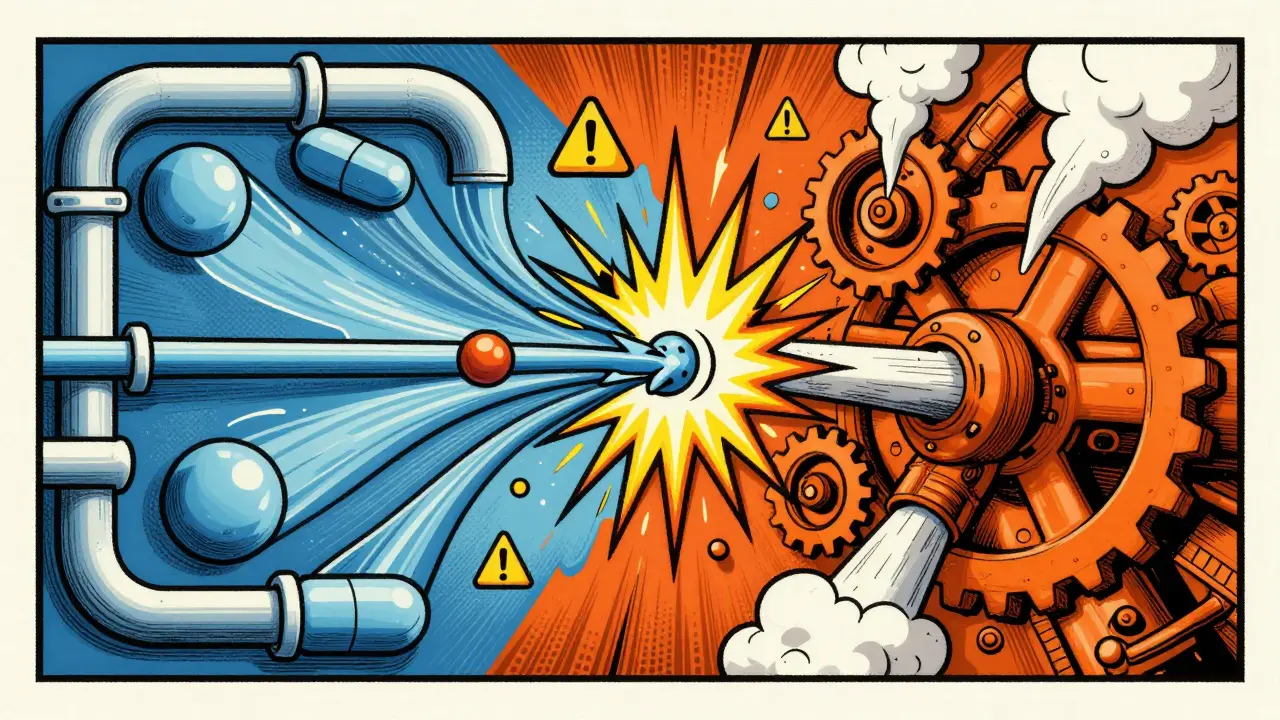
The most critical danger lies in the direct conflict between yohimbe and common blood pressure medications. These drugs work by lowering blood pressure through various mechanisms, while yohimbe actively raises it. When taken together, they cancel each other out or create volatile fluctuations that damage blood vessels over time.
| Medication Class | Common Examples | Interaction Mechanism | Potential Risk |
|---|---|---|---|
| Alpha-2 Agonists | Clonidine (Catapres), Guanfacine | Direct antagonism; yohimbe blocks the receptors clonidine activates. | Sudden BP spike of 30-50 mmHg; complete loss of medication efficacy. |
| Beta-Blockers | Metoprolol, Atenolol | Yohimbe increases sympathetic nervous system activity. | Tachycardia (rapid heart rate) despite beta-blockade; reduced control. |
| ACE Inhibitors | Lisinopril, Enalapril | Counteracts vasodilation efforts. | Hypertensive episodes; increased strain on kidneys and heart. |
| Calcium Channel Blockers | Amlodipine, Diltiazem | Increases vascular resistance. | Elevated blood pressure; potential for arrhythmias. |
| Diuretics | Hydrochlorothiazide | Fluid retention and sympathetic activation. | Reduced effectiveness of diuretic; electrolyte imbalance risks. |
Consider Clonidine, for example. It works by stimulating alpha-2 receptors to lower blood pressure. Yohimbe does the exact opposite by blocking those same receptors. If you take both, the yohimbe essentially neutralizes the Clonidine, potentially causing your blood pressure to skyrocket. The Mayo Clinic specifically lists dangerous interactions between yohimbine and twelve major classes of blood pressure medications. Even single doses as low as 5 mg can trigger severe episodes in sensitive individuals.
Real-World Consequences and Data
This isn't just theoretical pharmacology. Real people are suffering serious health consequences. A study by the California Poison Control System analyzed seven years of data and found that yohimbe-related calls were associated with tachycardia (heart rate over 100 bpm) in 67% of cases. Hypertension (systolic BP >140 mmHg) was present in 58% of cases. Most alarmingly, 78% of these incidents required medical intervention, compared to just 42% for other supplement calls.
User experiences online paint a grim picture. On WebMD, 87% of reviews from users with hypertension reported negative cardiovascular effects. Many described "dangerous blood pressure spikes" and a "racing heart." One Reddit thread titled "Yohimbe nearly killed me while on lisinopril" featured dozens of users sharing similar stories of systolic readings exceeding 200 mmHg after combining the supplement with their prescribed medication.
The American Heart Association rated yohimbe as having "high risk" for hypertensive emergencies when combined with antihypertensives. They documented 43 cases of dangerous blood pressure fluctuations between 2015 and 2021 alone. Dr. David Kiefer, Director of Integrative Medicine at the University of Arizona, stated that yohimbe represents one of the most dangerous herbal supplements for patients with hypertension due to its unpredictable nature.
Regulatory Landscape and Availability
Because of these risks, regulators worldwide have moved against yohimbe. In Australia, where I live, yohimbe supplements are restricted. Canada banned them entirely in 2020, and the European Medicines Agency followed suit in 2018, citing "unacceptable cardiovascular risks." Even in the United States, where they remain available as dietary supplements, scrutiny is increasing.
In January 2023, the FDA issued mandatory recalls for 17 yohimbe supplement brands. Testing revealed inconsistent yohimbine concentrations ranging from 1.2 mg to 28.7 mg per serving in products labeled as containing 5 mg. This massive discrepancy means a user could accidentally ingest nearly six times the intended dose. ConsumerLab.com’s 2022 testing showed that 68% of yohimbe supplements failed to accurately label their content, with errors ranging from 200% under-labeling to 400% over-labeling.
The FDA has listed yohimbe as a "high-risk supplement" in its 2023-2025 enforcement priorities. Draft guidance proposes mandatory warning labels stating: "WARNING: May cause dangerous increases in blood pressure, especially when taken with blood pressure medications. Not for use by persons with heart disease or hypertension." Despite this, sales continue, driven largely by marketing for "male enhancement" and "weight loss," often targeting younger demographics who may not fully grasp the cardiovascular implications.

Who Should Avoid Yohimbe?
Medical experts are unanimous: if you have any form of cardiovascular issue, yohimbe is off-limits. The American College of Cardiology recommends that healthcare providers screen for yohimbe use during medication reconciliation for all patients with hypertension. This is especially crucial for those with uncontrolled blood pressure despite taking appropriate medication regimens.
You should strictly avoid yohimbe if you:
- Have a diagnosis of hypertension (high blood pressure).
- Take any medication for heart conditions, including beta-blockers, ACE inhibitors, or calcium channel blockers.
- Have a history of stroke, heart attack, or arrhythmia.
- Suffer from kidney or liver disease, as these organs metabolize the compound.
- Are taking antidepressants, particularly SNRIs or tricyclic antidepressants, which also affect norepinephrine levels.
Community pharmacists are seeing this firsthand. A 2022 survey by the National Community Pharmacists Association found that 89% of pharmacists had identified at least one yohimbe-blood pressure medication interaction in the previous year. Nearly a third reported multiple incidents requiring emergency intervention. If you are unsure about a supplement, always ask your pharmacist before buying it.
Safer Alternatives for Energy and Performance
If you are considering yohimbe for energy, weight loss, or athletic performance, there are safer alternatives that do not carry the same cardiovascular risks. Instead of relying on unregulated stimulants that fight your medication, consider evidence-based approaches.
For energy, focus on sleep hygiene, hydration, and balanced nutrition. Caffeine, while a stimulant, is generally safer for hypertensive patients when consumed in moderation and discussed with a doctor. For athletic performance, creatine monohydrate and beta-alanine have robust safety profiles and do not interact dangerously with blood pressure medications. Always consult your healthcare provider before starting any new supplement regimen, especially if you have chronic health conditions.
Can I take yohimbe if my blood pressure is controlled with medication?
No. Even if your blood pressure is currently controlled, yohimbe can interfere with your medication's mechanism of action. It can cause sudden, unpredictable spikes in blood pressure that negate the benefits of your treatment. Medical guidelines recommend avoiding it completely for anyone with hypertension or taking antihypertensive drugs.
How quickly does yohimbe affect blood pressure?
Yohimbine reaches peak plasma concentrations approximately one hour after oral administration. Symptoms such as rapid heartbeat, anxiety, and elevated blood pressure can begin within 30 to 60 minutes. This rapid onset makes it particularly dangerous for individuals with underlying cardiovascular conditions.
Is yohimbe legal in Australia?
Yohimbe supplements are restricted in Australia due to safety concerns. The Therapeutic Goods Administration (TGA) regulates these substances strictly, and they are not approved for general sale as complementary medicines without specific authorization. Importing or purchasing them without a prescription can lead to legal issues and health risks.
What are the symptoms of a yohimbe overdose?
Symptoms include severe hypertension (blood pressure significantly above normal), tachycardia (very fast heart rate), palpitations, sweating, tremors, anxiety, panic attacks, and in extreme cases, seizures or stroke. If you experience these symptoms after taking yohimbe, seek emergency medical attention immediately.
Does yohimbe interact with antidepressants?
Yes, significantly. Yohimbe interacts with norepinephrine reuptake inhibitors, including tricyclic antidepressants (like imipramine) and SNRIs (like venlafaxine). Combining them can lead to severe hypertension and other adverse effects. A 2022 study documented multiple cases of hypertensive crisis requiring emergency care when these combinations were used.