Author: Adeline Morley - Page 5
Understanding FDA Generic Drug Approval: A Simple Guide for Patients
Learn how the FDA ensures generic drugs are just as safe and effective as brand-name medications. Understand the approval process, why generics cost less, and when to watch for changes in how you feel.
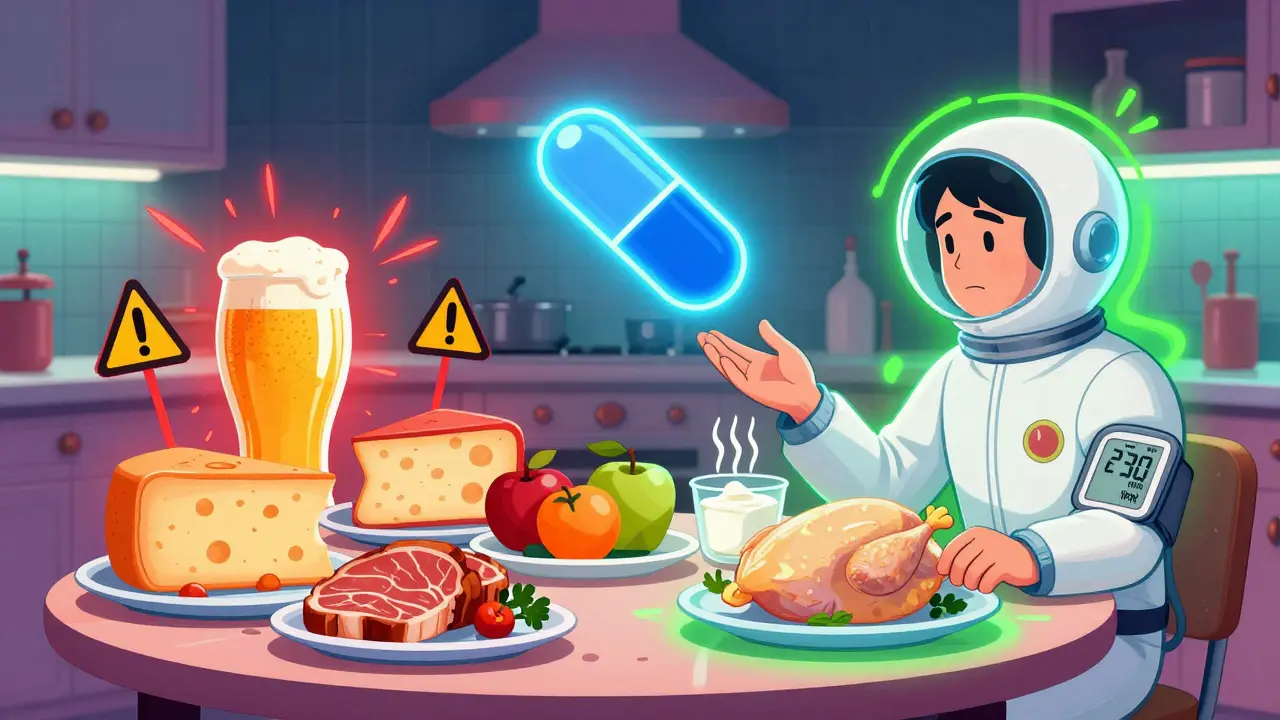
Linezolid and Tyramine: What You Must Eat - and Avoid - to Prevent Dangerous Blood Pressure Spikes
Linezolid can cause dangerous blood pressure spikes when combined with tyramine-rich foods like aged cheese, cured meats, and tap beer. Learn exactly what to avoid, how long to wait after treatment, and why this interaction kills people - even when doctors overlook it.
Nitrosamine Contamination in Generic Drugs: Recent Recalls and Regulatory Shifts
Nitrosamine contamination in generic drugs has led to over 500 FDA recalls since 2018. Learn which drugs were affected, how contamination occurs, and how regulators and manufacturers are responding to protect patient safety.

CPAP vs. BiPAP: What’s the Difference and Which One Is Right for You?
CPAP and BiPAP treat sleep apnea differently. CPAP uses one constant pressure; BiPAP uses two. Most people do fine with CPAP, but BiPAP helps those who struggle to exhale or have other lung conditions. Know the difference before you choose.

Generic Prescribing Incentives: How States Drive Generic Drug Use to Cut Costs
States use copay differentials, preferred drug lists, and pharmacist substitution laws to push generic drug use. These policies save billions without compromising care - but sustainability risks remain.

Pain and Sleep: How to Break the Insomnia-Pain Cycle for Good
Chronic pain and insomnia feed each other in a vicious cycle. Learn how CBT-I breaks this loop, why sleep aids fail, and what actually works to reduce pain by improving sleep.
FDA Safety Standards: How Generic Drugs Meet Brand Name Drug Requirements
The FDA requires generic drugs to prove they're identical in active ingredients, strength, and how the body absorbs them. Rigorous testing, strict manufacturing rules, and real-world data confirm generics are just as safe and effective as brand-name drugs.
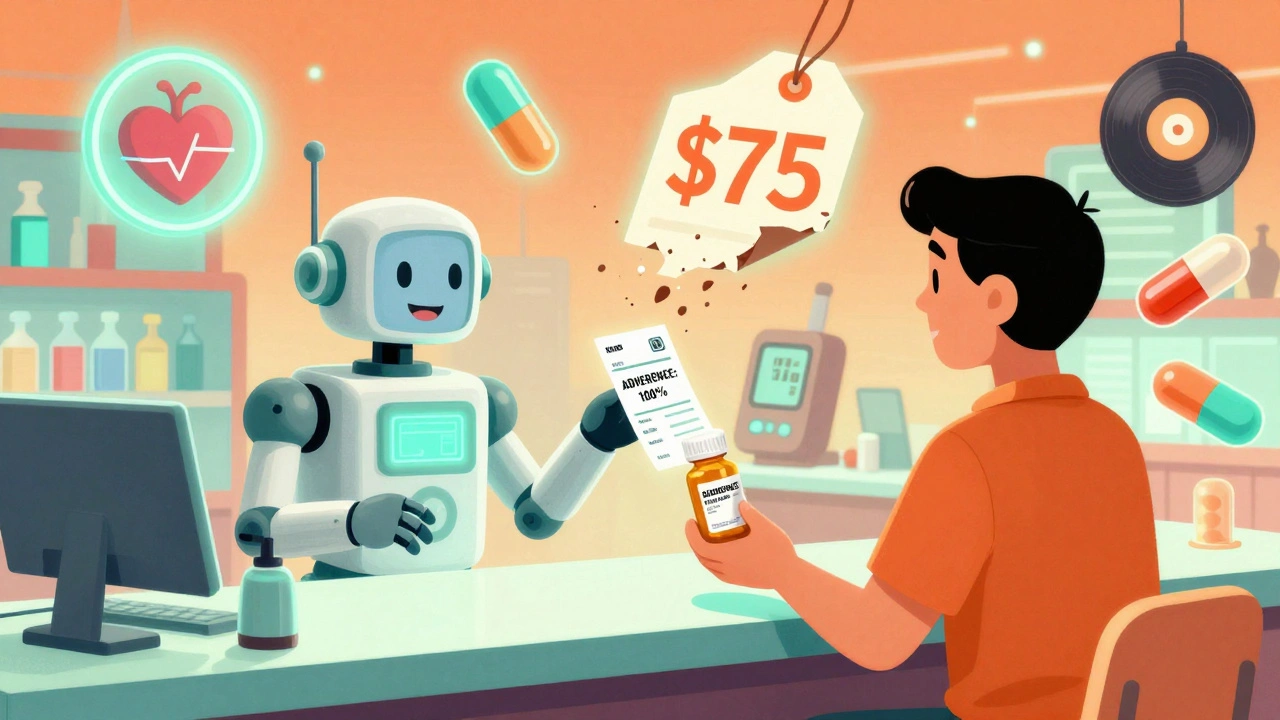
How Lower Generic Drug Prices Improve Patient Adherence and Cut Healthcare Costs
Lower generic drug prices directly improve patient adherence, reduce hospitalizations, and save billions in healthcare costs. Studies show that cutting copays by just $10 can boost adherence by 2-4%, making generics a powerful tool for better health and lower spending.

Managing SSRI Sexual Dysfunction: Dose Changes, Switches, and Adjuncts
SSRI sexual dysfunction affects up to 70% of users, but it's manageable. Learn proven strategies like dose reduction, switching antidepressants, adding bupropion, and behavioral techniques to restore sexual function without quitting your depression treatment.
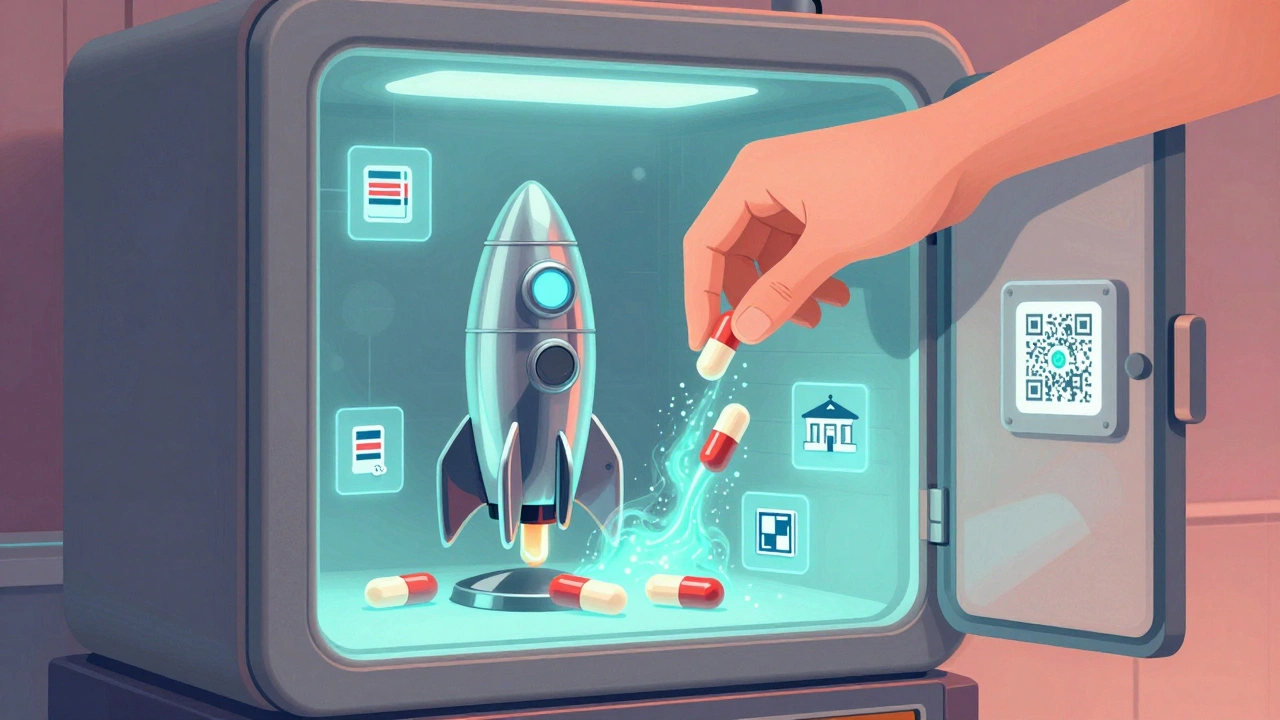
How to Safely Dispose of Unused Opioids to Prevent Misuse and Overdose
Learn how to safely dispose of unused opioids using DEA take-back programs, deactivation pouches, FDA-approved household methods, or limited flushing options to prevent misuse, accidental overdose, and diversion.

Levothyroxine with Iron and Calcium: How to Separate Doses for Best Absorption
Learn how to properly separate levothyroxine from iron and calcium supplements to ensure full absorption and stable thyroid hormone levels. Avoid common mistakes that lead to fatigue, weight gain, and ineffective treatment.

Evidence-Based Complementary Treatments for Medication Side Effects
Discover evidence-based complementary treatments like acupuncture, ginger, and meditation that help manage medication side effects safely. Learn what works, what’s risky, and how to talk to your doctor.