Recent POST

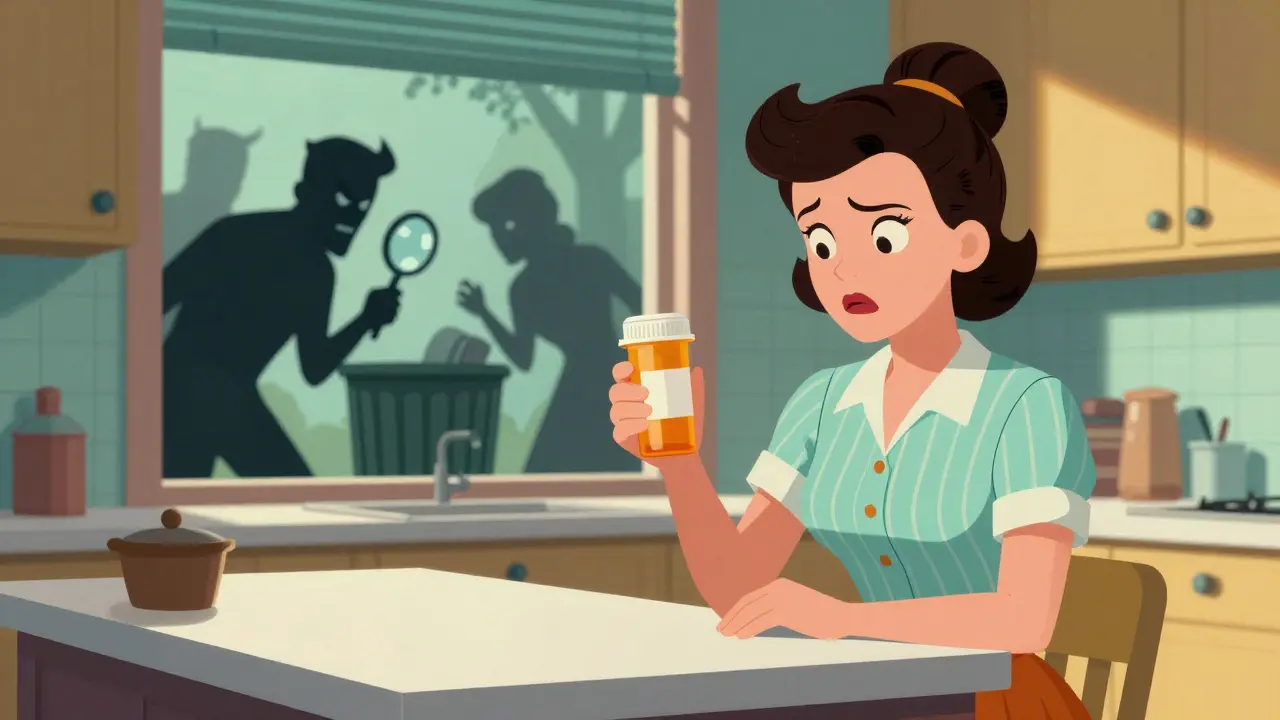
Throwing an empty prescription medication bottle is a common household task that often hides a serious security risk. It feels harmless enough. You finish your pills, toss the plastic container into the recycling bin or trash, and move on with your day. But that simple act leaves your name, address, medical history, and doctor’s details exposed. Criminals know this. They sift through trash bins looking for these specific pieces of information to commit identity theft or insurance fraud. The stakes are higher than you might think. According to data from the U.S. Department of Justice, there were over 412,000 pharmacy-related identity theft cases reported in 2021 alone. Protecting your privacy starts with how you handle those bottles.
Why Your Prescription Label Is a Target
You might wonder why anyone would care about an old pill bottle. The answer lies in the data printed on the label. A standard prescription label contains critical personally identifiable information including patient name, date of birth, address, and medication type. This combination allows thieves to verify your identity with frightening ease. Once they have your name and date of birth, they can open credit accounts, apply for loans, or even obtain controlled substances under your name. The Federal Trade Commission (FTC) lists prescription labels as one of the top five sources for identity thieves. In their 2022 Consumer Sentinel Network Data Book, they documented $560 million in healthcare fraud losses linked to this kind of data exposure. When you discard a bottle without removing the label, you are essentially handing a stranger a key to your financial and medical life.
The risk isn't just theoretical. Melody Sun, a clinical pharmacist at Children's Hospital of Orange County (CHOC), explicitly warns that keeping labels intact leads to "medication diversion and personal data exploitation." She treats label removal as non-negotiable in her disposal guides. The goal is simple: ensure no one can read who you are or what you are being treated for. Whether you are recycling the bottle or throwing it away, the label must go first.
The Problem with Manual Peeling
Your first instinct might be to peel the label off by hand. It seems like the easiest solution. Grab the corner, pull, and done. However, modern pharmaceutical packaging is designed to withstand moisture, heat, and handling. Most prescription bottles use polypropylene labels with waterproof acrylic adhesives. These materials resist water but bond tightly to the plastic surface. Titan Labs demonstrated this issue in a May 2022 video, showing that manual peeling fails on 92% of modern bottles. Instead of coming off cleanly, the label tears, leaving behind permanent adhesive residue. Worse, that sticky leftover often still contains fragments of your name or prescription number. Community discussions on Reddit's r/Privacy subreddit back this up. In 2022, users reported that manual peeling failed in 89% of attempts due to this exact residue problem. If you rely solely on your fingers, you likely aren't removing all the data.
Chemical Removal: The Cleanest Solution
If you want to reuse the bottle or ensure zero residue, chemical dissolution is the most effective method. Solvents break down the adhesive bonds without damaging the plastic container. One popular product is Cleanup Solvent-22, manufactured by Titan Labs. This acetone-based formula penetrates the label backing within 15 to 20 seconds. After applying the solvent, you can wipe the label away completely, leaving the bottle clear and ready for repurposing. Internal testing by Titan Labs showed a 100% success rate across 500 polypropylene-labeled bottles. Dr. Jen Caudle, a Board-Certified Family Physician, also highlights no-residue techniques in her videos, which have helped thousands of viewers preserve bottle integrity for travel organizers or craft supplies.
This method takes about 32 seconds per bottle, significantly faster than struggling with manual peeling. However, accessibility can be a hurdle. Cleanup Solvent-22 costs around $14.99 and is primarily available online. Some users note a strong chemical odor during application, so working in a ventilated area is essential. Despite the cost, it represents less than 1% of the average monthly prescription expenditure for many households. For those who frequently refill prescriptions and want to keep their privacy tight, investing in a dedicated solvent removes the guesswork and ensures complete data destruction.
Marker Obscuration: Quick but Risky
Not everyone wants to buy special solvents. Many people reach for a black permanent marker instead. Melody Sun’s CHOC disposal protocol suggests using a Sharpie Permanent Marker to cross out label information. The instruction is specific: apply three thick, overlapping layers covering all text. This process takes about 47 seconds per bottle. On the surface, it looks secure. The text is gone, right? Not necessarily. Security experts warn against relying solely on markers. CHOC’s 2023 observational data revealed that marker application fails to prevent digital recovery in 63% of cases. This phenomenon, known as "ghost imaging," occurs because residual data remains visible under infrared light or through photo enhancement apps. A 2021 Javelin Strategy study found that 41% of "blacked-out" labels yielded recoverable data when processed by smartphone applications. If you choose this route, you must inspect the bottle against a bright light afterward. Any faint outline means the data is still readable, and you need to reprocess it.
Shredding: The Nuclear Option
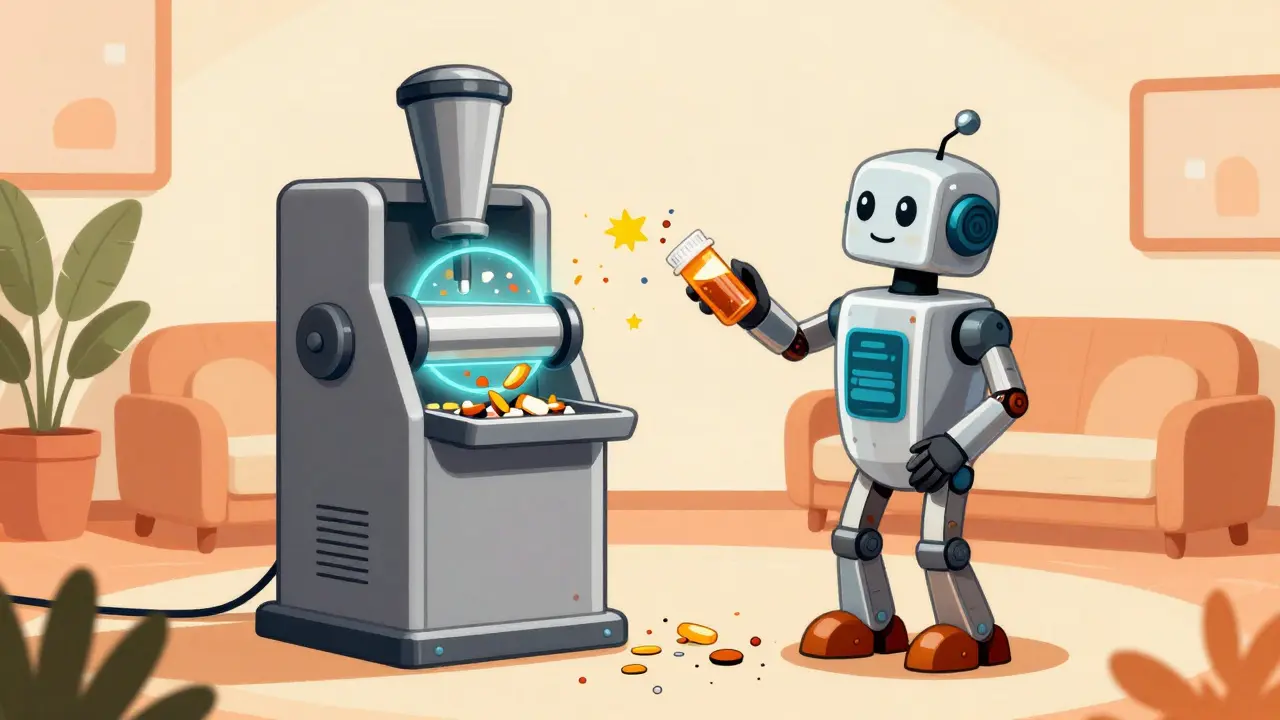
If you have no intention of reusing the bottle, shredding is the most definitive way to destroy the information. LegalShred.com recommends physical shredding for disposal-bound containers. A cross-cut shredder reduces both the plastic and the label into tiny confetti-like pieces. This achieves 100% data destruction because the information cannot be pieced back together. However, not all home shredders can handle the thickness of prescription bottles. You may need to cut the bottle into strips before feeding it into the machine. While this method is foolproof for privacy, it eliminates the possibility of reusing the container. It is best suited for people who prioritize absolute security over sustainability or repurposing.
| Method | Effectiveness | Time Required | Cost | Best For |
|---|---|---|---|---|
| Manual Peeling | Low (8% success) | 98+ seconds | Free | None (high failure rate) |
| Chemical Solvent | High (98.7% success) | 32 seconds | $14.99 (one-time) | Reusing bottles cleanly |
| Permanent Marker | Moderate (37% failure) | 47 seconds | Low ($5-$10) | Quick disposal if verified |
| Shredding | Very High (100%) | Variable | Low (if owned) | Complete destruction |
Disposing of the Medications Safely
Removing the label is only half the battle. You must also dispose of the actual medications securely to prevent misuse. The Drug Enforcement Administration (DEA) provides clear guidelines for this. Do not flush most medications down the toilet unless specifically instructed, as this contaminates water supplies. Instead, mix the unused pills with an unappealing substance like kitty litter, used coffee grounds, or dirt. Place this mixture in a sealed plastic bag. This makes the drugs difficult to retrieve and consume. Once the contents are secured, you can proceed with destroying the label and disposing of the empty bottle. The DEA’s National Prescription Drug Take-Back Day events also offer drop-off locations where you can surrender medications and bottles anonymously. These sites often provide tools for label removal, making the process easier for those without access to solvents or shredders.
Timing Matters: Act Within 24 Hours
Speed is crucial in protecting your data. CHOC’s protocol requires label destruction within 24 hours of medication disposal. Why so soon? Delayed processing increases the risk of identity theft by 40%, according to Javelin Strategy’s 2021 Identity Fraud Report. Leaving labeled bottles sitting in your kitchen cabinet or bathroom counter creates a window of opportunity for burglars or curious visitors. Make label removal part of your routine. As soon as you finish a prescription, set aside five minutes to clean the bottle. Treat it with the same urgency as shredding bank statements or old credit card offers. Immediate action closes the vulnerability gap before criminals can exploit it.
Common Mistakes to Avoid
Even well-intentioned efforts can fail if you skip critical steps. Here are pitfalls to watch out for:
- Using vinegar soaks: While natural, vinegar has a 78% failure rate on modern acrylic adhesives. It softens the paper slightly but rarely breaks the bond enough for clean removal.
- Skipping verification: Always hold the cleaned bottle up to a bright light. Shadows of text indicate incomplete removal. If you see any trace, repeat the process.
- Scratching the bottle: Avoid metal scrapers or sharp knives when peeling labels. These can scratch the plastic, creating micro-tears that harbor bacteria if you plan to reuse the container.
- Ignoring the cap: Sometimes, small stickers or imprints exist on the cap itself. Check every surface for identifiers before discarding.
By avoiding these errors, you ensure that your privacy protection measures actually work. Consistency is key. Develop a habit that fits your lifestyle, whether that involves buying a bottle of solvent for long-term use or dedicating time each month to shred accumulated bottles.
Can I recycle medication bottles with the label still on?
No, you should never recycle medication bottles with the label attached. Recycling facilities do not destroy the data on the labels. The bottles may end up in landfills or be reused, exposing your personal information to anyone who handles them. Always remove or obscure the label before placing the bottle in any waste stream.
Is hot water effective for removing prescription labels?
Hot water is generally ineffective for modern prescription labels. Most labels use waterproof acrylic adhesives that resist heat and moisture. While soaking might loosen older paper labels, it typically leaves behind sticky residue on contemporary polypropylene bottles. Chemical solvents or mechanical shredding are far more reliable methods.
What is the cheapest way to remove personal info from pill bottles?
The cheapest method is using a permanent black marker. Apply three thick layers over all text and numbers. While this costs less than specialized solvents, it carries a higher risk of data recovery through digital enhancement. If budget is a concern, this is acceptable only if you verify the coverage against bright light afterward.
Do pharmacies offer label removal services?
Some major pharmacy chains like CVS and Walgreens have implemented in-pharmacy label-removal stations since 2020. Additionally, DEA Take-Back events often provide tools for destroying labels. Check with your local pharmacy or search for upcoming drug take-back days in your area to utilize these free resources.
Can hackers really steal my identity from a trash bin?
Yes, this practice is called "dumpster diving." Criminals look for discarded documents and medication bottles containing names, addresses, and dates of birth. This information helps them bypass security questions and apply for credit or medical services in your name. The FTC confirms that prescription labels are a primary source for such fraud.

Angela Niculescu
you know what i think this is just another way for the government to keep tabs on us through our trash. they want you to worry about labels so they can justify more surveillance. its all a big conspiracy to control your medical history.

Grace Gayle McMullen
i used to just toss them in the bin too but after reading this im gonna start shredding mine. its crazy how much info is on there really. thanks for sharing this tip!

Ryan Jones
why do people care so much about privacy when everyone is already tracked by their phones anyway? it feels like you are fighting a losing battle against the algorithm that knows everything about you before you do. maybe we should just accept that our data is public property now

Victoria Mangiapane
ugh who has time for this nonsense i just throw them away and if someone wants my info let them have it. not worth the effort of peeling or buying chemicals over.

Nivetha Narayanan
this is such an important topic!! i never realized how vulnerable we are with these little bottles. lets all look out for each other and protect our identities together! love this energy 🌟

Frank Arlyss
i saw your neighbor throwing out his meds yesterday and i noticed he left the label on. i took a picture of it because i thought it was interesting. do you think he knows what hes doing?

Lisa Russo
shredding is stupid. just use a marker. everyone knows markers work fine unless you are some kind of spy movie character. stop making things complicated for no reason.

Gareth Tyler
interesting read. i will try the solvent method next time. sounds efficient enough for my routine.

Sharon O’Mahonh
the epistemological framework of identity theft is fascinating here. when we discard the physical vessel of our pharmaceutical dependency we are also discarding the semiotic markers of our bodily autonomy. it is crucial that we engage in praxis to reclaim our digital sovereignty from the panopticon of corporate surveillance capitalism. lets empower ourselves through mindful disposal practices.

Jonhnnie john13
the article fails to account for the statistical improbability of successful fraud from a single bottle. most thieves need more than a name and dob to open accounts. they need ssn verification which is rarely printed on standard rx labels. this is fear mongering disguised as advice.

Anthony Padilla
in my culture we reuse containers for many things so removing the label is essential not just for privacy but for utility. i always peel them off carefully. good article overall.

Elizabeth Fandry
one must consider the ontological implications of one's waste stream 🧐. the prescription bottle is not merely plastic; it is a testament to one's fragility. to leave the label intact is to invite the chaotic gaze of the uninitiated masses upon one's private ailments. truly, only the discerning individual understands the necessity of absolute erasure for spiritual hygiene ✨.

Madeline Petes
i tried the hot water trick once and it was a total disaster. the glue stayed everywhere. glad i found this post because i was worried i was doing it wrong. thanks for the clear instructions!

Ramanath Rao
THIS IS ABSOLUTELY CRITICAL INFORMATION EVERYONE NEEDS TO KNOW RIGHT NOW. WHY ARE PEOPLE SO LAZY ABOUT THEIR SECURITY? I WILL BE SHREDDING EVERY SINGLE BOTTLE IMMEDIATELY. STOP IGNORING THE THREAT OF IDENTITY THEFT IT IS REAL AND DANGEROUS.
Write a comment