Recent POST


When your kidneys stop working, your body can’t clean your blood anymore. Waste builds up. Fluid swells your legs and lungs. Your bones weaken. Your heart struggles. This isn’t just aging-it’s end-stage renal disease (ESRD), the point where kidneys have lost 90% of their function. Without treatment, you won’t survive. But here’s the truth most people don’t hear: how you live after diagnosis depends less on medicine and more on the choice between dialysis and transplant-and what that really means for your daily life.
Dialysis: A Lifeline, Not a Cure
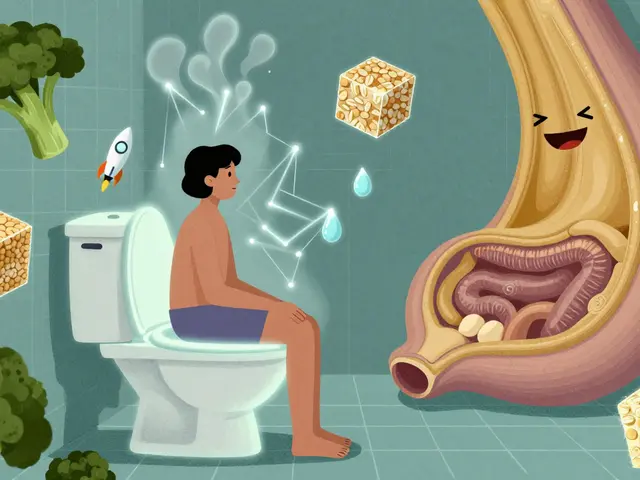
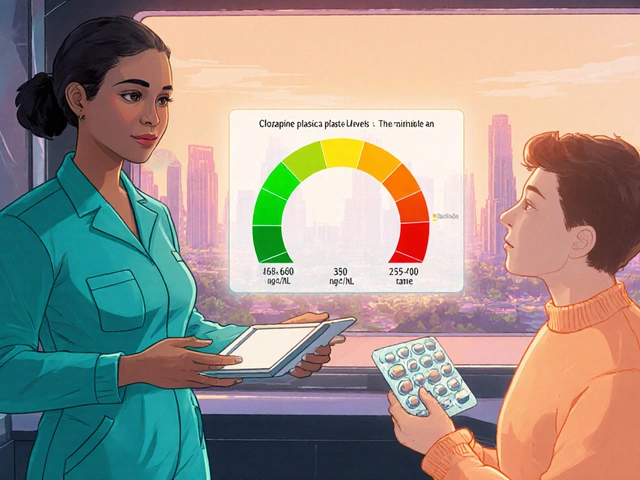
Dialysis keeps you alive. It doesn’t fix your kidneys. It replaces what they can’t do: filtering waste and extra fluid from your blood. There are two main types: hemodialysis and peritoneal dialysis.Hemodialysis usually happens in a clinic three times a week, for three to four hours each time. You’re hooked up to a machine that pulls your blood out, cleans it, and puts it back. It’s predictable, but it eats up your week. Add travel time, recovery, and the fatigue that follows, and you’re spending 12 to 16 hours a week just on treatment. Your diet becomes a minefield. No bananas, no potatoes, no salty snacks. Phosphorus builds up fast, so you take pills with every meal. Calcium drops. Your bones hurt. Your parathyroid glands go into overdrive. Your doctor keeps checking phosphate levels between 3.5 and 5.5 mg/dL. If you miss a session? Fluid backs up. You can’t breathe. You end up in the ER.
Peritoneal dialysis happens at home. You fill your belly with fluid through a tube, let it sit for a few hours, then drain it out. Some do four exchanges a day. Others use a machine at night while they sleep. It’s more flexible. You don’t need to go to a clinic. But it’s not easy. You have to be clean every time you connect or disconnect the lines. Infections can creep in-peritonitis is serious. And you still need to watch your diet. Still need pills. Still feel tired.
And here’s the kicker: even if you do everything right, your survival rate after five years on dialysis is only 35%. That’s not a number. That’s someone’s husband, mother, friend. That’s you, if nothing changes.
Kidney Transplant: The Only Real Way Forward
The best chance to live-not just survive-is a kidney transplant. Not just because it’s better. Because it’s life-changing.After a transplant, you don’t need dialysis. You wake up without the IV lines, without the machine, without the clock ticking toward your next session. You can eat what you want-mostly. You have more energy. You can travel. You can work. You can see your grandkids grow up without worrying about the next treatment.
Studies show transplant recipients live longer. Your risk of death drops by 68% compared to staying on dialysis. Five-year survival? 83% for transplant patients. For those on dialysis? 35%. That’s not a slight improvement. That’s a revolution.
Living donor transplants are even better. One-year graft survival? 95.5%. Five-year survival? 86%. Deceased donor transplants are still great-93.7% survive the first year, 78.5% make it five years. But living donors mean less waiting. No time on a list. No chance you’ll die before a kidney shows up.
And the cost? Over time, it’s lower. Dialysis costs Medicare about $90,000 a year per person. A transplant? Around $330,000 upfront-but after two years, it’s cheaper. After five, it’s a fraction. That’s why hospitals and insurers are pushing for earlier referrals.
Why So Few People Get Transplants
If it’s so much better, why is only 29% of ESRD patients on a transplant? Why are 71% stuck on dialysis?One reason: timing. Most people wait until they’re already on dialysis before even being evaluated. That’s too late. Doctors recommend seeing a transplant center when your kidney function drops below 30 mL/min. That’s still two to three years before dialysis starts. But only 5% of people who start dialysis were ever referred before that point.
Another reason: fear. You think, ‘I’m too old.’ ‘I have diabetes.’ ‘I had cancer.’ But age alone doesn’t disqualify you. Many people over 70 get transplants. Cancer? If it’s been in remission for two to five years, you’re often eligible. Heart disease? Not always a dealbreaker. You just need to be evaluated properly.
And then there’s race. African American patients are less likely to be referred for transplant, even when they have the same health status as white patients. A study called RaDIANT showed that after training doctors and educating patients, transplant referrals among African Americans jumped 40%. That’s not luck. That’s systemic bias-and it’s fixable.
Medicare covers ESRD care, but only after three months of dialysis. That delay pushes people into emergency treatment instead of planned care. The system rewards dialysis because it’s profitable. Transplants? They’re a one-time cost. Insurance companies don’t always push for them.
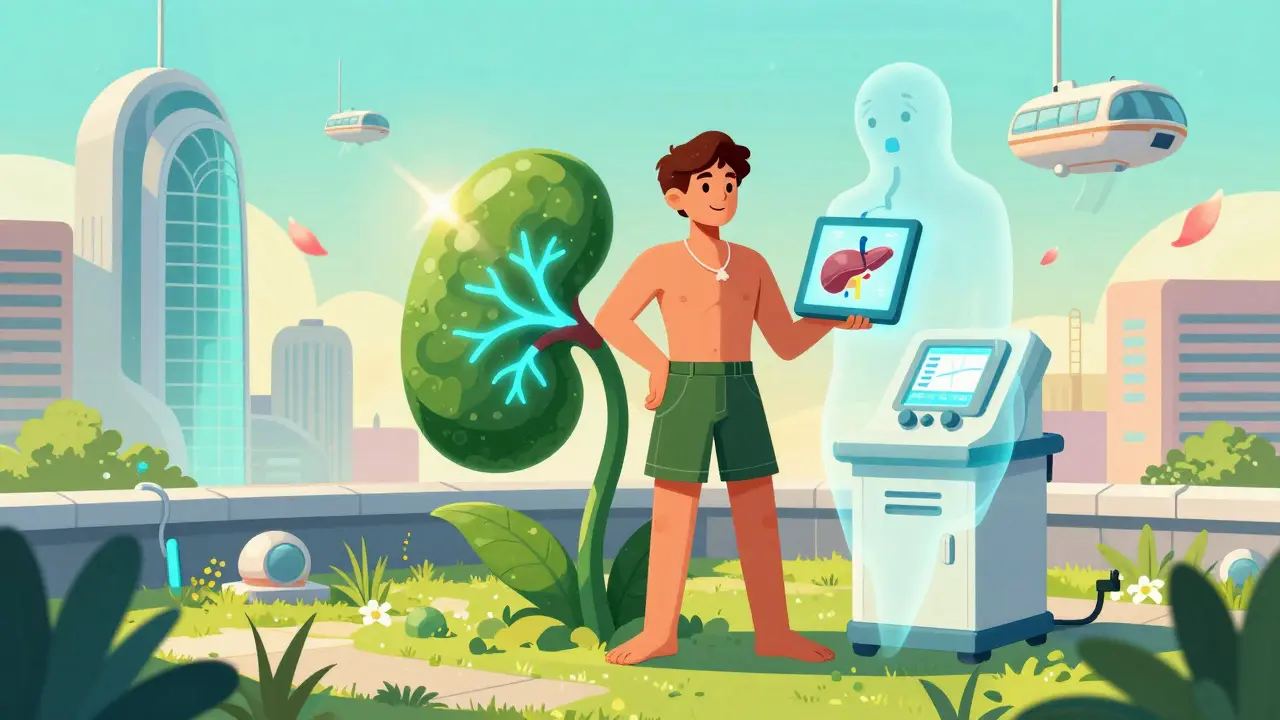
What Life Looks Like After a Transplant
You’re not cured. You’re not free. But you’re alive in a way dialysis never lets you be.You take immunosuppressants every day. Tacrolimus. Mycophenolate. Steroids. These drugs stop your body from rejecting the new kidney. But they also weaken your immune system. You get sick easier. A cold can turn into pneumonia. You avoid crowds in winter. You wash your hands constantly. You get checked every few months for infections, cancer, and kidney function.
Medication costs $1,500 to $2,500 a month. But most insurance covers it. Medicare keeps covering your transplant drugs for three years after the surgery. After that? You might need private insurance or state programs.
Quality of life? Studies using the KDQOL-36 survey show transplant patients score 28.7 points higher than those on dialysis. That’s not a small difference. That’s the difference between feeling like a patient and feeling like yourself again.
Transplant recipients have 50% fewer hospital visits than dialysis patients. They miss less work. They sleep better. They have more sex. They travel. They take their kids to school. They go to the beach. They live.
What You Can Do Right Now
If you or someone you love has advanced kidney disease, don’t wait. Don’t assume dialysis is the only path.- Ask your nephrologist for a transplant evaluation when your GFR drops below 30 mL/min.
- Ask if you’re a candidate for a living donor transplant. Talk to family. Ask friends. Don’t be afraid to say, ‘I need a kidney.’
- Get tested for diabetes and high blood pressure. They’re the top causes of kidney failure. Control them now.
- If you’re on dialysis, ask about home dialysis options. They’re more flexible and less disruptive.
- Find out if your state or hospital has a program to help with transplant referrals. The National Minority Organ Tissue Transplant Education Program (MOTTEP) has 25 sites across the U.S. for support.
The system isn’t perfect. But you don’t have to wait for it to change. You can start now. One call. One conversation. One decision. That’s how lives get saved.

What’s Changing in Kidney Care
The game is shifting. The Kidney Care Choices Model, launched in 2022, pays doctors and hospitals to refer patients for transplant earlier. It’s not about profit anymore-it’s about outcomes. The 21st Century Cures Act is expanding the donor pool by letting doctors use kidneys from older or higher-risk donors. That’s saving lives.Living donor transplants are up 18% since 2018. Deceased donor transplants are up 14%. More people are getting kidneys. More people are living.
The NIH is spending $157 million through 2026 on personalized kidney treatments. That means one day, we might predict who will fail fastest-and intervene before it’s too late.
But none of that matters if you don’t act now.
Can you live a normal life on dialysis?
You can live on dialysis, but ‘normal’ is relative. You’ll have strict diets, frequent treatments, and constant fatigue. Many people work, but often part-time. Travel is possible but requires planning. You’ll miss birthdays, holidays, and quiet moments because you’re tied to a machine. Dialysis keeps you alive, but it doesn’t let you live fully.
How long do kidney transplants last?
Living donor kidneys last about 15-20 years on average. Deceased donor kidneys last 10-15 years. Some last longer-30 years or more. But even if the transplant fails, you can go back to dialysis and get another transplant. Many people have two or three transplants in their lifetime.
Is there an age limit for kidney transplants?
No strict age limit exists. People over 70 get transplants regularly if they’re otherwise healthy. The decision isn’t about age-it’s about overall health, heart function, and ability to handle surgery and lifelong meds. Many older adults do very well after transplant.
Can you get a transplant without being on dialysis first?
Yes. That’s called a preemptive transplant-and it’s the best option. You get the kidney before dialysis starts. Survival rates are higher, recovery is faster, and you avoid the physical toll of dialysis. But you need to be referred early, have a donor ready, and be medically cleared.
What if I don’t have a living donor?
You can still get a transplant from a deceased donor. But the wait is long-on average, four years. Over 90,000 people are on the list right now. The good news? More organs are available than ever. You can also join paired exchange programs, where donors swap kidneys to help match recipients. Don’t give up on the list.
Are there risks with kidney transplant surgery?
Yes. Surgery carries risks like infection, bleeding, or blood clots. The biggest long-term risk is rejection. That’s why you take immunosuppressants for life. These drugs raise your risk of infections, skin cancer, and some other cancers. But for most people, the benefits far outweigh the risks. Your transplant team will monitor you closely.
Final Thought: It’s Not Just About Survival
ESRD doesn’t have to mean giving up your life. Dialysis keeps you breathing. But a transplant gives you back your days. Your weekends. Your freedom. Your future.It’s not easy. It’s not quick. But it’s possible. And it’s worth fighting for.

Donna Macaranas
Just wanted to say this post hit me right in the chest. My mom’s been on dialysis for three years now. She still makes tea every morning like nothing’s wrong. I didn’t realize how much of a miracle transplant could be until I read the survival stats. 83% vs 35%… that’s not just numbers, that’s years of birthdays, graduations, first grandkids. Thank you for writing this.

Lisa Rodriguez
I work in nephrology and I see this every day. The biggest barrier isn’t medical-it’s fear. Patients think transplant means they’ll die on the table. But honestly? Dying on dialysis is slower, lonelier, and way more painful. Living donor transplants are the quiet heroes here. If you’re healthy enough to donate, please consider it. You’re not giving a kidney-you’re giving someone their life back.

Bob Cohen
Wow. So the system is rigged to keep people on dialysis because it’s profitable? And we’re supposed to be impressed that Medicare covers it after 3 months? That’s not healthcare, that’s a business model. Also, 71% stuck on dialysis? That’s not a failure of patients. That’s a failure of the entire medical-industrial complex. Someone’s making bank off this.

Nancy Nino
While the data presented is compelling, I must emphasize that the KDQOL-36 survey’s 28.7-point difference, while statistically significant, does not account for cultural variance in quality-of-life perception. Furthermore, the immunosuppressant burden-particularly the increased incidence of post-transplant lymphoproliferative disorder-remains underdiscussed. This post, while well-intentioned, risks oversimplifying a profoundly complex clinical reality.

Ed Di Cristofaro
People think they’re ‘too old’ or ‘too sick’ for a transplant? Nah. You’re just lazy. If you can’t get your act together to ask for a kidney before you’re drowning in fluid and missing work, you don’t deserve one. My cousin got one at 72. He’s hiking now. You? You’re still watching TV and blaming the system.

Lilliana Lowe
Actually, the 83% five-year survival rate for transplant recipients is misleading. It’s based on a cohort heavily skewed toward younger, healthier patients with private insurance. The real-world data for Medicaid recipients or those with multiple comorbidities shows closer to 58%. Also, the $1,500–$2,500 monthly med cost? That’s before you factor in copays, specialist visits, and lab fees. This post reads like a pharma brochure.

Deep Rank
Okay but like… I’ve been reading this whole thing and I just feel so sad for everyone. Like, imagine being tied to a machine for 12 hours a week and then your bones hurt and you can’t eat a banana? And then you find out you might not even get a transplant because you’re black or because the hospital doesn’t care? And then you have to take pills every day and still get sick? I just… I can’t. I’m crying. Why does this happen? Why can’t we fix this? I’m so sorry to everyone going through this. You’re not alone. I’m here. I’m thinking of you. I’ll pray. I’ll donate. I’ll call my senator. Please don’t give up.

Sami Sahil
Bro if you’re on dialysis and you haven’t asked your doc about transplant yet you’re sleeping on the best chance of your life. I know a guy who got a kidney from his cousin-no waitlist, no waiting, just went in one day and woke up free. Now he coaches his kid’s soccer team. You can do this. Start the convo. Text your family. Say ‘I need help.’ That’s not weakness. That’s survival. Go. Now. Don’t wait.

Jamie Allan Brown
There’s a quiet dignity in the people who choose to live with dialysis. Not everyone wants a transplant. Some fear lifelong meds. Some have spiritual reasons. Some just want to keep their routine. This post doesn’t acknowledge that. And that’s a disservice. Healing isn’t just about survival-it’s about autonomy. Let people choose their version of ‘life’.

Nidhi Rajpara
As a nurse in Mumbai, I see patients who travel 400 kilometers for dialysis because their village has no facility. They pay out of pocket. Some sell their land. Others skip meals to afford phosphate binders. The statistics here are American. In India, five-year survival on dialysis is closer to 15%. Transplant is a dream. No insurance. No donor network. No support. This post is beautiful, but it’s not for everyone. We need global equity, not just better awareness.

Naomi Walsh
Let’s be honest: the real reason transplant rates are low is because most people are too overweight, too diabetic, and too addicted to processed food to qualify. Blaming the system is convenient. But if you let your kidneys rot by eating fast food for 20 years, don’t act surprised when you’re told you’re not a candidate. Personal responsibility isn’t a buzzword-it’s survival.
Write a comment