Recent POST




What Is Pulmonary Hypertension?
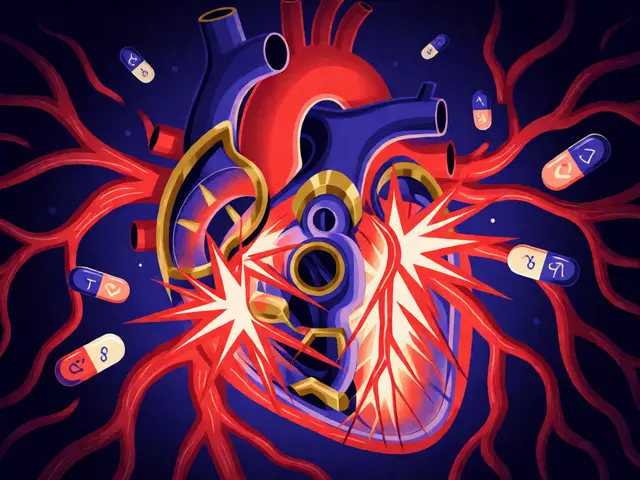
Pulmonary Hypertension is a condition where blood pressure in the lungs' arteries becomes abnormally high. It's classified into five groups by the World Health Organization (WHO), each with different causes and treatments. Without proper management, it can lead to right heart strain and eventual heart failure. The condition affects about 1% of the global population, with women being twice as likely to develop it as men.
Recognizing the Symptoms
Many people mistake early symptoms for being out of shape or asthma. However, progressive shortness of breath during everyday activities-like walking up stairs or carrying groceries-can be a red flag. Other common signs include fatigue, chest pain, dizziness, and swelling in the ankles or legs. These symptoms often worsen gradually, making them easy to ignore until the condition becomes severe. For example, a patient might notice they can't keep up with friends on a walk or need to stop frequently to catch their breath. If these symptoms persist without a clear cause, it's time to see a specialist.
Right Heart Strain: The Silent Consequence
When the lungs' arteries are narrow or blocked, the right side of the heart has to work harder to pump blood through them. This extra strain causes the right ventricle to thicken and enlarge-a condition called right heart strain. Measurable signs include a right ventricular wall thickness over 5mm on echocardiogram, end-diastolic area larger than 22 cm², and reduced tricuspid annular plane systolic excursion (TAPSE) below 17mm. These changes indicate the heart is struggling. If left untreated, this strain can lead to right heart failure, which is life-threatening. As Dr. Thenappan Thenappan explains in the Chest journal (2022), "TAPSE and right ventricular fractional area change should be routine measurements in all PH patients."
How Doctors Diagnose Pulmonary Hypertension
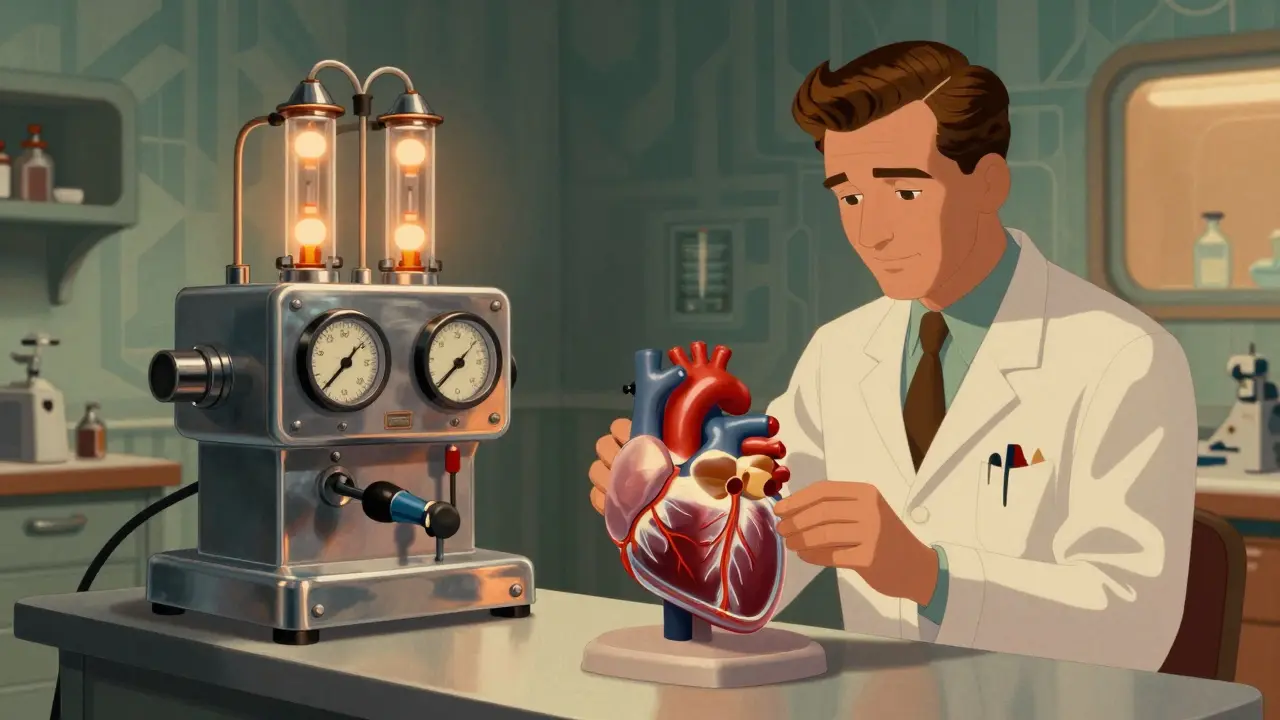
Diagnosis starts with a physical exam and medical history, but definitive testing requires specialized procedures. The echocardiogram is the first-line screening tool, estimating pulmonary artery pressure. However, it has limitations: 88% sensitivity but only 56% specificity, often overestimating pressure by 10-15 mmHg. The gold standard is right heart catheterization, which measures pressure directly. This test confirms mean pulmonary arterial pressure greater than 20 mmHg at rest. While it carries risks like arrhythmia (3.4% incidence), pneumothorax (1.2%), and hematomas (5.7%), it's essential for accurate diagnosis.
| Test | Sensitivity | Specificity | Key Advantages | Key Limitations | Risks |
|---|---|---|---|---|---|
| Echocardiography | 88% | 56% | Non-invasive, widely available | Overestimates pressure by 10-15 mmHg | None |
| Right Heart Catheterization | 100% | 100% | Definitive measurement | Invasive, requires specialized centers | Arrhythmia (3.4%), pneumothorax (1.2%), hematomas (5.7%) |
Biomarkers like BNP (>180 pg/mL) and NT-proBNP (>1,400 pg/mL) also help assess severity. The 6-minute walk test is another critical tool-a distance under 380 meters predicts worse outcomes with a hazard ratio of 2.05. These tests together give a full picture of the condition's impact on the heart and lungs.
Modern Treatment Approaches
Treatment has evolved significantly. In the past, single-drug therapy was common, but current guidelines recommend combination therapy for most patients. The REVEAL Registry (2023) shows 68% of PAH patients now start with multiple drugs targeting different pathways. New medications like sotatercept (FDA-approved in 2021) target TGF-β signaling and reduced risk of death or clinical worsening by 44% in clinical trials. Other options include endothelin receptor antagonists, phosphodiesterase-5 inhibitors, and prostacyclin analogs. Proper management requires regular monitoring of right heart function through echocardiograms and biomarkers to adjust treatment as needed. For instance, a patient's BNP dropping from 850 to 190 pg/mL after therapy adjustments shows significant improvement.

Key Takeaways
- Pulmonary hypertension is a serious condition requiring early diagnosis and specialized care.
- Common symptoms like shortness of breath during routine activities should not be ignored.
- Right heart strain is a critical consequence measured by specific echocardiographic parameters.
- Right heart catheterization remains the gold standard for diagnosis despite risks.
- Combination therapy and newer drugs like sotatercept have significantly improved survival rates.
- Early detection and multidisciplinary care are key to better outcomes.
Frequently Asked Questions
What are the early symptoms of pulmonary hypertension?
Early symptoms often mimic other conditions like asthma or being out of shape. Progressive shortness of breath during everyday activities (e.g., climbing stairs), fatigue, chest pain, dizziness, and swelling in the ankles are common. Many patients experience these symptoms for years before diagnosis, which is why awareness is critical.
How is pulmonary hypertension diagnosed?
Diagnosis starts with an echocardiogram to estimate pulmonary pressure, but the gold standard is right heart catheterization. This procedure measures mean pulmonary arterial pressure directly, confirming if it's above 20 mmHg. Biomarkers like BNP and NT-proBNP, along with the 6-minute walk test, also help assess severity and guide treatment decisions.
Why is right heart strain dangerous?
Right heart strain occurs when the right ventricle works too hard to pump blood through narrowed lung arteries. Over time, this causes the heart muscle to thicken and enlarge, eventually leading to right heart failure. Measurable signs like right ventricular wall thickness >5mm, end-diastolic area >22 cm², and TAPSE <17mm indicate significant strain. Without treatment, this can be life-threatening.
What treatments are available for pulmonary hypertension?
Modern treatments include combination therapy targeting multiple pathways. Common drugs are endothelin receptor antagonists, phosphodiesterase-5 inhibitors, and prostacyclin analogs. The FDA-approved drug sotatercept, which targets TGF-β signaling, has shown a 44% reduction in risk of death or clinical worsening. Treatment is personalized based on disease severity and patient response, with regular monitoring to adjust therapy.
Can pulmonary hypertension be cured?
Currently, there's no cure for pulmonary hypertension, but early diagnosis and proper treatment can significantly improve quality of life and survival. With modern therapies, 5-year survival rates have risen to 61.8% (REVEAL Registry 2022), compared to just 2.8 years median survival in the 1980s. Ongoing research into new treatments offers hope for future advances.