Recent POST


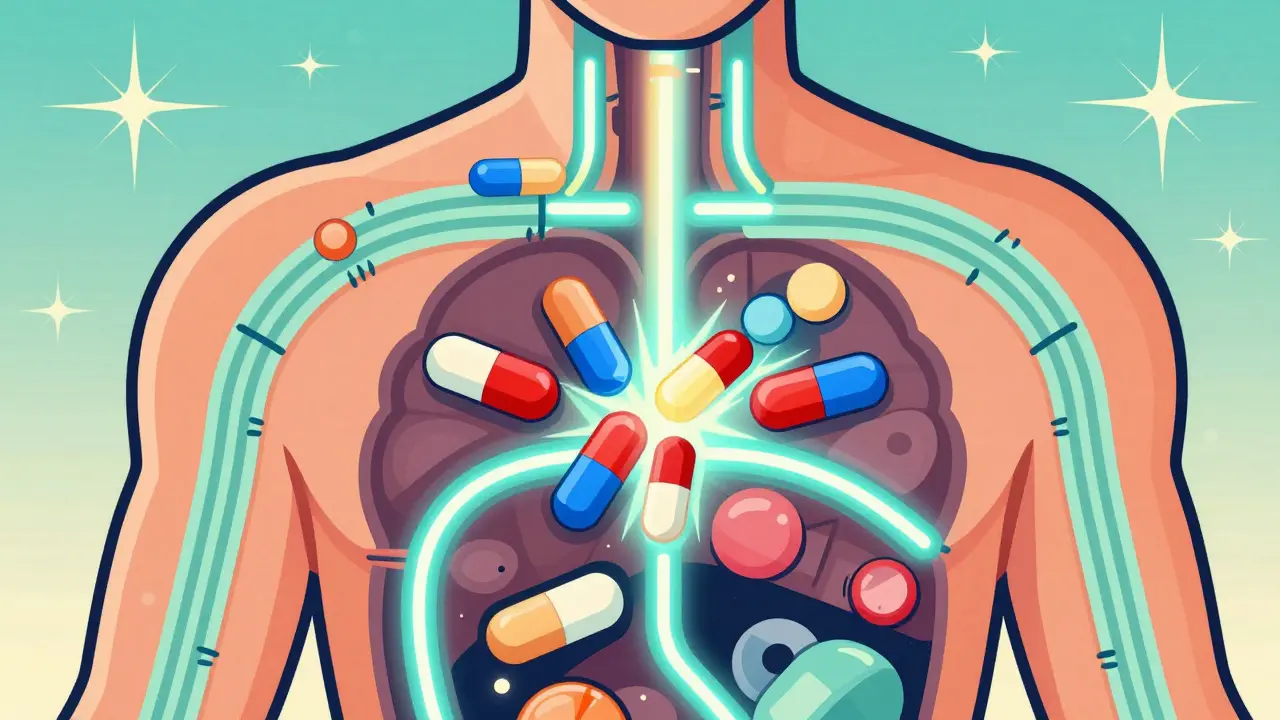
You probably grab over-the-counter (OTC) medication without a second thought. A pill for a headache, syrup for a cough, or a cream for sore muscles. But here is the kicker: those same pills can mess with your prescription drugs in ways you never saw coming. Studies show about 80% of adults take at least one OTC medicine annually. That massive usage creates a perfect storm for hidden dangers when mixed with daily prescriptions.
The Hidden Risk of Mixing Meds
Many people think "OTC" means safe for everyone, all the time. That isn't true when you add prescription drugs into the mix. Think of your body like a busy highway. Your prescription drugs have designated lanes to work effectively. When you throw in an OTC medication, it's like adding unscheduled traffic. Sometimes the cars crash head-on, causing serious harm. Other times, they just slow each other down, meaning neither medicine works as well as it should.
The Food and Drug Administration (FDA) warns that these interactions can make your drug less effective or cause unexpected side effects. It's not just about taking two pills at the exact same time. The chemical changes happening in your liver or kidneys can linger. If you are managing a chronic condition like high blood pressure or diabetes, mixing medications without a check-up puts you at higher risk than someone just treating a common cold.
Common Culprits You Should Know
Not every OTC drug is equally dangerous, but some categories are notorious for trouble. You need to know which ones to flag before popping a pill.
Pain Relievers and Heart Health
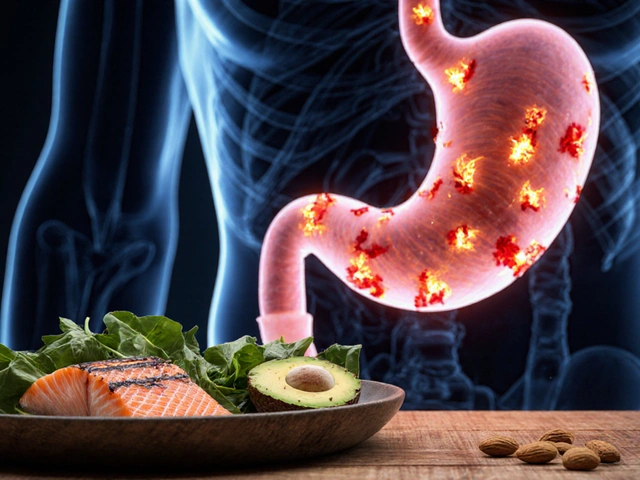
Take NSAIDsNonsteroidal anti-inflammatory drugs like ibuprofen and naproxen. They are great for headaches or arthritis pain. But if you are on blood thinners like warfarin, they become a ticking bomb. Combining them increases the risk of gastrointestinal bleeding by up to 10 times in some cases. Even low-dose aspirin taken for heart protection can lose its effectiveness if you mix it with other NSAIDs.
Then there is acetaminophen. It generally plays nicer with other drugs, but it has a strict limit. The liver processes acetaminophen, and if you exceed 4,000mg a day, you risk acute liver failure. The tricky part is that many cold and flu remedies also contain acetaminophen. Taking a cold capsule plus a regular painkiller can easily push you past that safe limit without realizing it.
Mental Health and Sleep Aids
If you are taking antidepressants, specifically SSRIs, you have to be extra careful with cold medicines containing dextromethorphan. Both affect serotonin levels. Too much serotonin leads to serotonin syndrome, a condition that causes agitation, rapid heart rate, and confusion. It is a rare but very serious reaction.
Sleep aids often contain antihistamines. These sedative ingredients can stack with prescription anxiety medications. The result isn't just deep sleep; it can be dangerous drowsiness that leads to falls or accidents, especially in older adults.
| OTC Medication Class | Risk Factor | Prescription Conflict |
|---|---|---|
| NSAIDs (Ibuprofen) | Bleeding Risk | Warfarin, Clopidogrel, Corticosteroids |
| Acetaminophen | Liver Toxicity | Niacin, Anti-seizure meds |
| Diphenhydramine (Sleep Aid) | CNS Depression | Sedatives, Muscle Relaxants |
| Antacids | Absorption Block | Digoxin, Thyroid hormones |
How Interactions Actually Happen
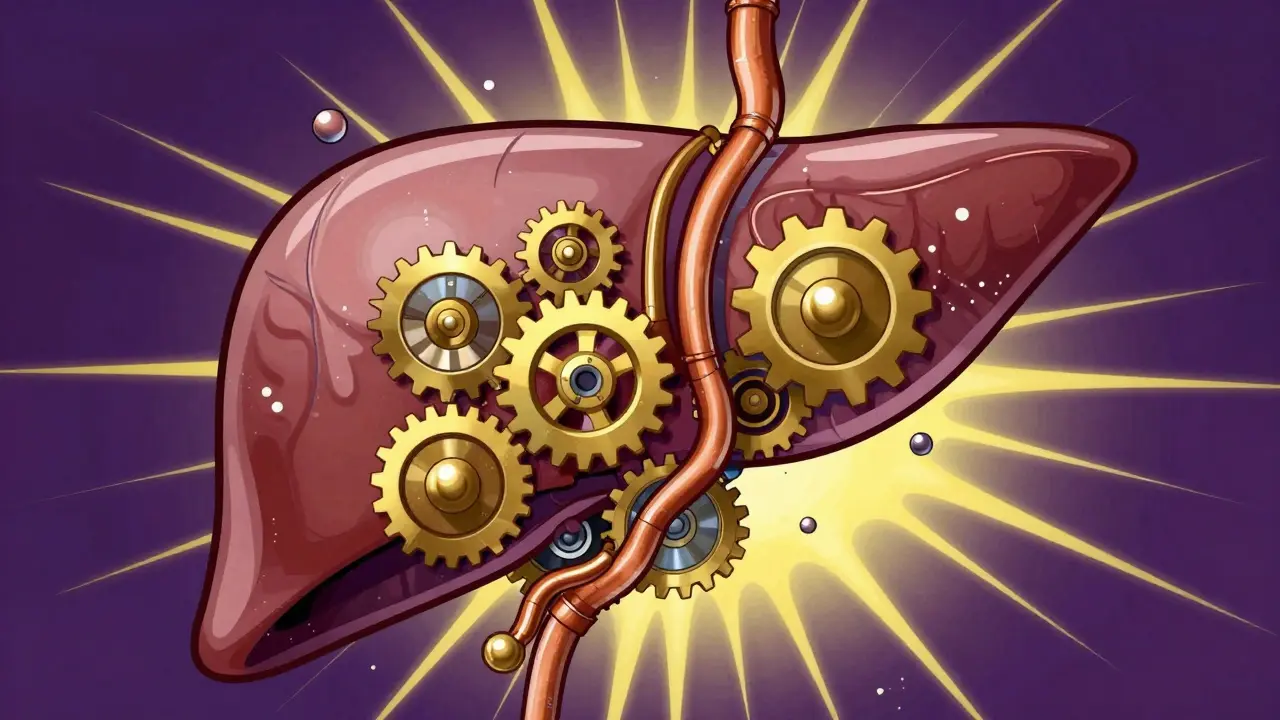
It helps to understand the mechanism so you aren't just memorizing lists. Most interactions fall into three buckets. First is metabolism interference. Your liver uses enzymes to break down drugs. Some OTC meds stop those enzymes from working. For example, omeprazole (a heartburn pill) can block the breakdown of clopidogrel (a blood thinner), making the heart medicine less potent.
Second is absorption issues. Minerals like calcium, magnesium, or iron found in antacids and vitamins can bind to certain antibiotics or thyroid medications in your stomach. This prevents your body from absorbing the prescription drug, so you aren't treating your condition effectively.
Third is additive effects. If a blood pressure medication lowers your pressure, and an OTC decongestant raises it, you are fighting a tug-of-war inside your body. This instability makes managing your chronic disease difficult and unpredictable.
Your Safety Checklist Before Taking Meds
Checking for interactions shouldn't be hard. Here is exactly what you need to do to stay safe.
- Maintain a Master List: Keep a physical or digital list of every pill, supplement, and vitamin you take. Include the dosage and why you are taking it. Share this list with every doctor and pharmacist you visit.
- Read the Active Ingredient Box: Don't look at the brand name. Look for the small print listing ingredients. Many products hide acetaminophen or diphenhydramine under catchy product names.
- Ask the Pharmacist: Pharmacists are experts in drug mechanics. Tell them you want to run a full interaction check before filling a new script.
- Use Digital Tools: Utilize verified interaction checkers. Websites like WebMD offer databases updated regularly to scan for conflicts between foods and supplements too.
- Watch for Timing: Ask your doctor if there is a safe gap between taking your prescription and your OTC med. Spacing doses by 2-3 hours can sometimes prevent absorption clashes.
High-Risk Groups to Watch Out For
Some people are naturally more vulnerable to these reactions. Elderly patients often take five or more medications on average. Their livers and kidneys process chemicals slower, increasing the chance of toxicity. People with kidney or liver disease need even stricter monitoring because their bodies cannot clear out drug combinations efficiently.
Women on hormone replacements also face unique risks. Certain herbal remedies or decongestants can alter hormone effectiveness. If you fall into these groups, always consult a professional before self-medicating a cold or headache.

Tools That Work
Technology can help bridge the knowledge gap. Modern apps can track both prescription and non-prescription intake. However, do not rely solely on an app if you feel unwell. Real-world biology is complex. Always prioritize speaking to a human healthcare provider when in doubt.
The FDA has pushed for clearer labeling on high-risk products since 2022. Look for warnings about combining with prescription drugs on the front packaging. If the label is vague, assume caution is necessary.
Real-Life Prevention Strategies
Prevention is better than hospitalization. One practical strategy is consolidating pharmacies. If you fill all scripts and buy all vitamins at one place, their computer systems alert you to potential overlaps automatically. Another trick is to avoid buying multi-symptom cold relief if you only have one symptom. Multi-symptom packs are loaded with extra ingredients that increase interaction risks unnecessarily.
Remember, your doctor knows your history, but they don't know what you bought at the corner store yesterday. You are the bridge between your home cabinet and your medical records. Closing that loop saves lives.
Can I take Tylenol with my blood pressure medication?
Generally, acetaminophen is considered safer with blood pressure meds than NSAIDs, but large doses can still affect kidney function. Always ask your doctor first.
Does food affect drug interactions?
Yes, grapefruit juice is famous for blocking enzymes that process many drugs. Foods high in tyramine can spike blood pressure if you take MAO inhibitors.
Why shouldn't I mix antacids with thyroid meds?
Calcium and magnesium in antacids bind to thyroid hormones in the stomach, preventing absorption. Take them 4 hours apart to be safe.
Are herbal supplements considered OTC drugs?
Technically yes, they are regulated differently but act like drugs. St. John's Wort, for example, interacts severely with antidepressants and birth control.
What symptoms indicate a drug interaction?
Watch for sudden nausea, dizziness, unusual bruising, severe fatigue, or changes in heart rate after starting a new medication combo.

Brian Yap
G'day mate, this info is actually pretty solid regarding the NSAID stuff.
I've always taken ibuprofen for my back issues without thinking twice about the warfarin my dad was on.
Turns out mixing them is a bad idea for the gut lining specifically.
Just wanted to add that from down under we see this often with elderly folks too.
Pharmacies here usually flag it up automatically in the system.
Still good to keep a master list like you said.

Calvin H
Sure, because reading labels is so hard for us lazy people.

Katie Riston
I find myself reflecting deeply on the notion of pharmacological synergy versus antagonism in modern healthcare practices today.
It really makes one wonder how much trust we place in automated systems versus personal vigilance when navigating health.
We live in an age where convenience reigns supreme above all else regarding self care habits.
Yet our biology remains ancient and fragile in its chemical processing mechanisms.
Perhaps we are too arrogant to believe our bodies are limited in capacity for handling these synthetic compounds.
The liver tries its absolute hardest to detoxify everything we ingest daily regardless of intent.
Acetaminophen poisoning isn't always immediate death but rather a slow creep towards failure points within the organ structure.
I think the real tragedy is how unaware most people remain until symptoms present visibly.
By then the damage to enzymatic pathways has already occurred significantly.
We should all embrace a more holistic view of what goes into our digestive systems every morning.
Reading small print takes time that nobody seems willing to spare nowadays unfortunately.
It requires a mindset shift from reactive medicine to proactive preventative measures entirely.
Small changes in timing of ingestion could prevent massive hospitalizations later in life for sure.
Consider the economic burden placed on public systems due to preventable drug interactions alone.
Education is truly the only vaccine against these silent killers hiding in plain sight everywhere.

emma ruth rodriguez
While your philosophical musing is interesting, the clinical data remains paramount in safety assessment.
Please note that absorption blockade occurs primarily through chelation mechanisms within the gastric environment.
It is imperative that patients separate dosages by a minimum interval of four hours exactly.
Failure to adhere to this protocol may result in subtherapeutic serum levels of thyroid hormone replacement.
Pharmacists possess specialized training to identify these potential conflicts accurately during dispensing events.
You should consult them before adding any new agent to your regimen independently.
Documentation of all supplements is critical for maintaining accurate medical records effectively.
Thank you for engaging with the community on this vital subject matter.

Ruth Wambui
They tell us to read labels but the ink hides more secrets than the bottle cap ever could.
Chemical shadows dance in the pharmacy aisles waiting for the unsuspecting soul to pick them up.
Big Pharma doesn't want you healthy if it means losing your subscription to their miracle cures forever.
Trust no ingredient list that smells like synthetic lavender in the back of the throat.
My grandma knew better than to mix her potions with store bought elixirs of doom.
We must stay vigilant against the silent poisoners lurking in the vitamin aisle corners.

Beccy Smart
Wow, such a negative outlook on modern science for no reason at all. 🙄
You clearly don't understand how regulatory bodies actually function in reality today. 🤦♀️
It's ignorant to blame corporations when individuals fail to educate themselves properly about basic chemistry. 💅
Stop spreading fear based on zero facts and actual evidence available. 😤
People need guidance not wild conspiracy theories ruining productive conversations online. 🌈💊

RONALD FOWLER
good to know i guess.
i used to mix things and feel weird sometimes.
never connected dots before now though.
thanks for sharing the details here.
helps a lot.

Rick Jackson
That connection is crucial for future safety planning efforts.
Spacing doses helps mitigate absorption blockage issues entirely.
Collaboration between patient and provider yields best outcomes consistently.
Great point about checking the active ingredients box too.

Debbie Fradin
Finally someone talks sense about the danger of ignoring basic interaction warnings completely!
Why is everyone still clueless after fifty years of public health campaigns screaming warnings?
You owe it to yourself to stop guessing with your internal chemistry lab experiment.
Take the advice seriously or expect a rude awakening in the ER someday soon.
Ignoring liver limits is just asking for expensive medical bills down the road inevitably.
Wake up and smell the coffee before toxicity sets in on your organs!

sanatan kaushik
YOU ARE RIGHT ABOUT THIS STUFF.
DO NOT IGNORE THE WARNINGS ANYMORE.
LISTEN TO THE DOCTORS AND PHARMACISTS THEY KNOW BEST.
STOP TAKING PILLS LIKE CANDY AND GET SERIOUS.
MISTAKES MEAN HOSPITAL TIME WHICH IS TERRIBLE FOR FAMILIES.
READ THE LABELS AND CHECK YOUR MEDS NOW.

Christopher Curcio
It is understandable why patients neglect checking cross-reactions frequently given the complexity involved.
Cytochrome P450 enzyme induction is a common pathway for adverse metabolic clearance effects observed clinically.
Hepatotoxicity thresholds vary widely across demographics which complicates general safety guidelines further.
Pharmacogenomic testing might offer personalized insights in the future for high risk groups specifically.
Until then diligent self-monitoring for serotonin syndrome signs is essential for SSRIs users.
Keep communication open with your primary care provider regarding supplement usage regularly.

Jonathan Sanders
Oh look another medical student trying to sound smart with big words.
Nobody cares about cytochrome enzymes when you just want a headache gone quickly.
Your jargon just adds to the confusion for normal people trying to survive work week.
Save the lecture for med school and stop pretending to help ordinary folks.
We hear enough lectures all day without needing a PhD explaining basic pills to us.
Write a comment