Recent POST
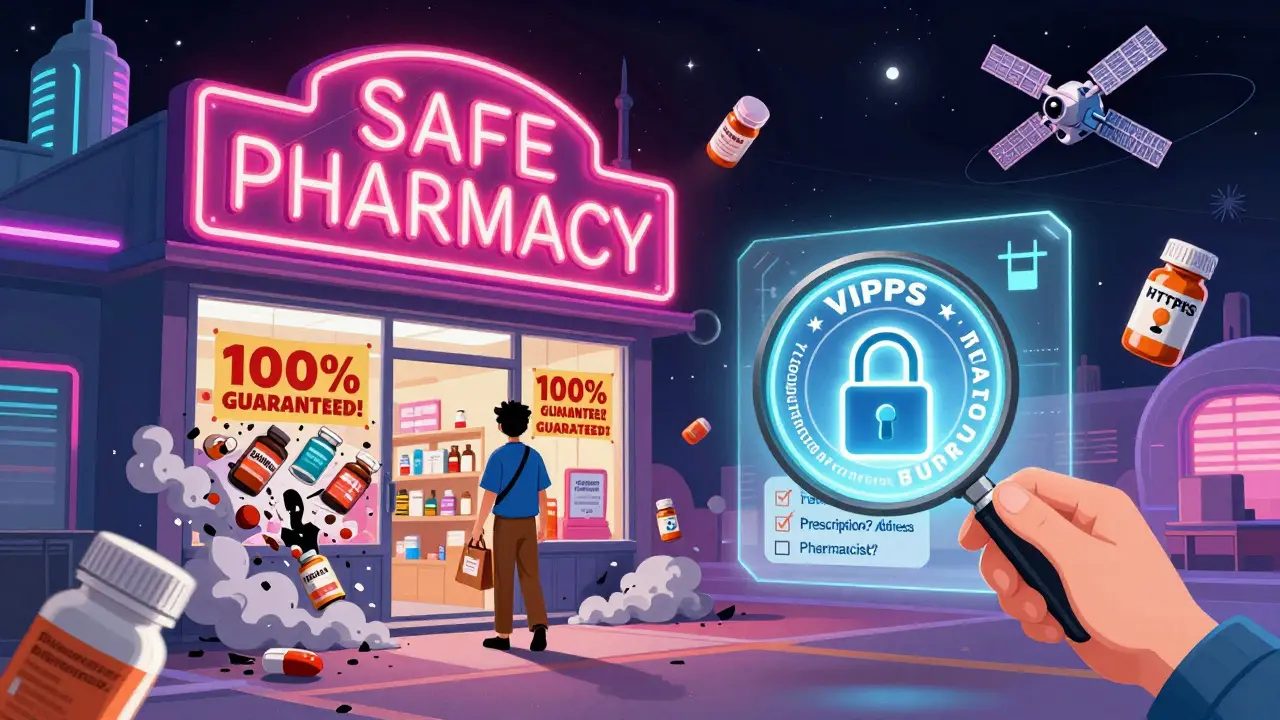
Buying medicine online sounds convenient-until you realize how many fake pharmacies are out there. In 2023, the FDA estimated that 96% of all online pharmacies are illegal. That means if you just type in "buy pills online" and click the first result, you’re almost certainly risking your health. Counterfeit drugs, wrong dosages, toxic ingredients-these aren’t rare horror stories. They’re everyday dangers. But there’s a way out: licensed online pharmacies. These aren’t just websites that look professional. They’re legally authorized, rigorously checked, and accountable. Here’s how to find them-and avoid the traps.
What Makes an Online Pharmacy Licensed?
A licensed online pharmacy isn’t just a site with a nice logo and a "100% guaranteed" slogan. It’s a real pharmacy, operating under the same rules as your local drugstore-but online. To be legitimate, it must meet strict requirements set by health regulators. In the U.S., that means being accredited by the Verified Internet Pharmacy Practice Sites (VIPPS) program, run by the National Association of Boards of Pharmacy (NABP). This isn’t a logo you can buy. It’s earned through inspections, audits, and ongoing compliance.
Legitimate pharmacies must:
- Require a valid prescription from a licensed doctor
- Have a physical address in the U.S. (or in the country where you’re buying)
- Employ licensed pharmacists who are available to answer your questions
- Be licensed by your state’s board of pharmacy
- Use secure, encrypted websites (look for "https://" and a padlock icon)
Illegal sites skip all of this. They sell pills without prescriptions, hide their location, and often ship from countries with weak oversight. Some even fake the VIPPS seal. That’s why checking the seal alone isn’t enough-you need to verify it through the official source.
The Three Must-Check Verification Tools
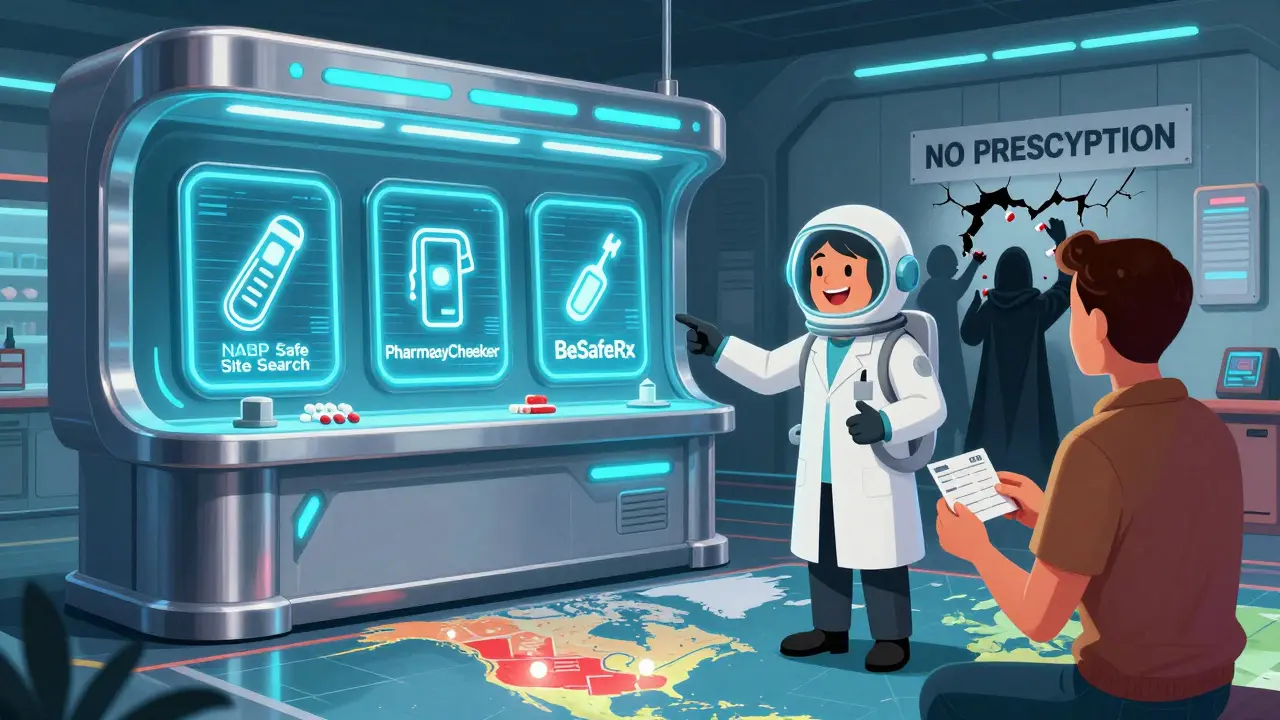
You don’t need to be a pharmacist to spot a safe pharmacy. You just need three tools. Use them every time, before you click "Buy Now."
1. NABP’s Safe Site Search
This is the gold standard. Go to NABP’s Safe Site Search and type in the pharmacy’s name or website. If it’s VIPPS-accredited, it’ll show up with a green checkmark. If it doesn’t, walk away. As of 2023, only 68 U.S. pharmacies held this accreditation. Thousands of others claim to be legitimate-but they’re not. This tool updates daily. No exceptions.
2. PharmacyChecker.com
PharmacyChecker is another trusted verifier, especially if you’re considering pharmacies outside the U.S. They audit over 200 pharmacies worldwide, including in Canada, the UK, and New Zealand. Their verification process includes mystery shopping-yes, real people order pills to test if the pharmacy follows rules. They check for:
- Valid pharmacy licenses
- Prescription requirements
- Secure payment and data handling
- Clear contact information
They also flag pharmacies that sell controlled substances without proper oversight. If PharmacyChecker lists it, it’s been vetted. If it’s not listed, assume it’s unsafe.
3. BeSafeRx (FDA Tool)
The FDA’s BeSafeRx tool lets you verify if a pharmacy is licensed in your state. Enter the pharmacy’s name and address. It cross-references state board records. If the pharmacy says it’s licensed in California but BeSafeRx shows no record? That’s a red flag. Fake licenses are common. This tool cuts through the noise.
Red Flags You Can’t Ignore
Here’s what every unsafe pharmacy has in common:
- No prescription required - This is the biggest giveaway. Legitimate pharmacies never sell prescription drugs without one. If they offer "instant approval," they’re breaking the law.
- Too-good-to-be-true prices - A 90-day supply of Lipitor for $10? That’s not a deal. It’s a trap. Legitimate pharmacies charge fair market prices. If it’s half the cost of your local pharmacy, it’s likely counterfeit.
- Unsecure website - If the URL starts with "http://" (not "https://") or lacks a padlock icon, don’t enter any personal or payment info. Hackers love these sites.
- Only accepts wire transfers or crypto - Legit pharmacies use credit cards, PayPal, or bank transfers. If they demand Bitcoin or Western Union, run. These methods are irreversible and untraceable.
- No phone number or physical address - If the only contact is a contact form, that’s a warning sign. Real pharmacies list a physical location and a working phone number you can call.
One 2022 FDA report found that 67% of adverse events from online pharmacies involved counterfeit drugs. In one case, "Viagra" contained 300% more active ingredient than labeled-enough to cause a heart attack. This isn’t speculation. It’s documented.
What About Canadian Pharmacies?
Many people turn to Canadian pharmacies because prices are lower. But here’s the catch: not all "Canadian" pharmacies are Canadian. In 2022, NAPRA (the national pharmacy regulator in Canada) found that 42% of websites claiming Canadian licensing were actually operating from the U.S., India, or elsewhere.
To verify a Canadian pharmacy:
- Check if it has a .pharmacy domain
- Confirm it’s licensed by a Canadian provincial board (like Ontario’s College of Pharmacists)
- Look for NABP’s Healthcare Merchant Accreditation
Don’t trust the "Canada" in the logo. Dig deeper. A legitimate Canadian pharmacy will list its provincial license number and allow you to verify it on the regulator’s official site.
What You Can and Can’t Order
Even licensed pharmacies have limits. You won’t find:
- Controlled substances like oxycodone or Adderall from international pharmacies (U.S. law blocks this)
- Temperature-sensitive drugs like insulin shipped without cold-chain packaging
- Medications that require in-person monitoring (e.g., certain cancer drugs)
PharmacyChecker and VIPPS programs explicitly exclude these categories. If a pharmacy claims to ship insulin from overseas without special packaging, it’s not just risky-it’s illegal.
But for chronic conditions like high blood pressure, diabetes, or cholesterol? Licensed online pharmacies are often safer and more affordable than local pharmacies. Many offer automatic refills, price matching, and pharmacist consultations-all without leaving home.
Real-World Results: What Users Say
On Trustpilot, VIPPS-accredited pharmacies average 4.3 out of 5 stars across over 1,200 reviews. The top praises? "Pharmacist called me to check my dosage" and "My pills arrived in perfect condition." The main complaints? Shipping delays-not safety issues.
One Reddit user, u/PharmTech1987, shared how he discovered a fake pharmacy after ordering "generic Cialis" for $15. The pills were discolored. He reported it to the FDA. Later, he found a VIPPS pharmacy through the NABP tool. His monthly cost went from $15 to $45-but he now knows he’s getting real medicine. "I’d rather pay more and sleep at night," he wrote.
What’s Changing in 2026?
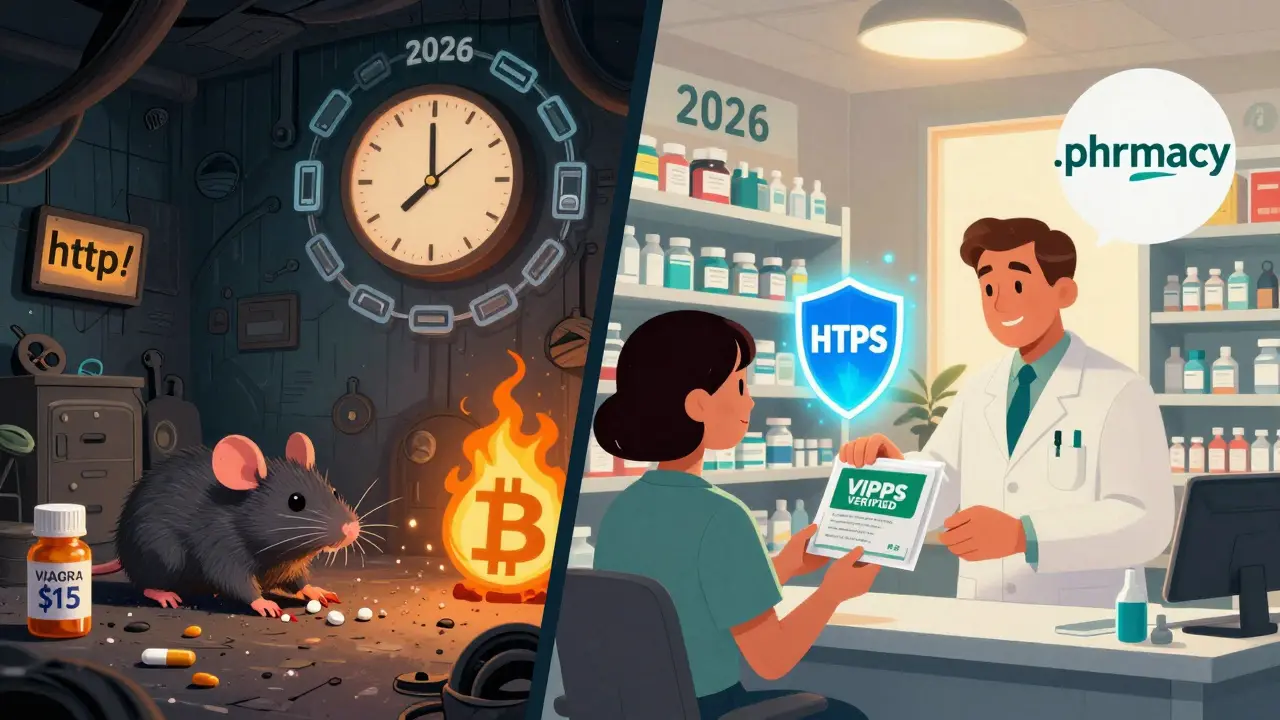
Legitimate pharmacies are getting smarter. In January 2023, PharmacyChecker started using blockchain to verify prescriptions-making tampering nearly impossible. The FDA is now working with international regulators to shut down cross-border fake pharmacies. And by 2025, McKinsey predicts that 45% of all U.S. prescription orders will go through licensed online channels.
Meanwhile, credit card companies and platforms like Amazon and Facebook now require third-party verification (like LegitScript) before allowing pharmacy ads. That’s a win. It means fake pharmacies are being pushed out of the spotlight.
Your Action Plan: 5 Steps to Stay Safe
Here’s your simple checklist before you buy anything online:
- Check for a prescription requirement - If they don’t ask for one, walk away.
- Verify the website - Look for "https://" and the padlock.
- Search NABP’s Safe Site - Type the pharmacy name into the official tool.
- Use PharmacyChecker - Especially if it’s outside the U.S.
- Call them - If you can’t reach a licensed pharmacist during business hours, it’s not legit.
It takes 10 minutes. That’s all it takes to avoid a life-threatening mistake.
Final Thought
Online pharmacies aren’t inherently dangerous. The problem is the noise. There are thousands of fake sites and only a few hundred real ones. But the real ones are safe, reliable, and regulated. You don’t need to guess. You just need to check. Use the tools. Trust the data. And never, ever skip the prescription step. Your health isn’t a gamble.
Can I trust online pharmacies that offer no prescription needed?
No. Any online pharmacy that sells prescription medications without a valid prescription is breaking U.S. and international law. These sites are almost always illegal and frequently sell counterfeit, contaminated, or mislabeled drugs. The FDA and NABP state that requiring a prescription is the single most important indicator of a legitimate pharmacy.
Are Canadian online pharmacies always safe?
No. Many websites claim to be Canadian but operate from other countries. To verify, check if the pharmacy has a .pharmacy domain and is licensed by a Canadian provincial regulatory body (like the Ontario College of Pharmacists). Also confirm it’s accredited by NABP. Never rely on a "Canada" logo or address alone.
How do I know if a VIPPS seal is real?
Fake VIPPS seals are common. The only way to verify is to go to the NABP Safe Site Search tool and enter the pharmacy’s website. If it appears in the list with a green checkmark, it’s real. If it’s not listed-even if the seal looks official-it’s fake.
What should I do if I received fake medicine?
Stop taking the medication immediately. Contact your doctor and report the incident to the FDA through their MedWatch program at fda.gov/medwatch. Keep the packaging and pills as evidence. You can also report the pharmacy to the NABP and PharmacyChecker to help prevent others from being harmed.
Can I use an online pharmacy for controlled substances like opioids or ADHD meds?
No. U.S. federal law prohibits the mailing of controlled substances across state lines via online pharmacies. Even licensed VIPPS pharmacies cannot legally ship oxycodone, Adderall, or similar drugs. If a site claims to do so, it is operating illegally and should be reported.

Aisling Maguire
Just bought my blood pressure meds from a VIPPS pharmacy last month. Took me 10 minutes to verify it using NABP’s tool-no joke. The site looked slick, had all the right logos, but I still checked. Turned out it was legit. My pills came in a proper box with a pharmacist’s note. No more guessing. I’d rather pay $10 more and know I’m not poisoning myself.

Katherine Farmer
Ugh. People still fall for this? The fact that you have to use THREE separate verification tools just to buy ibuprofen online is a national disgrace. The FDA should shut down every site that isn’t directly operated by CVS or Walgreens. And yet here we are-crawling through .pharmacy domains like it’s 2008 and we’re still using AOL.

Full Scale Webmaster
Okay but let’s be real-this whole system is a scam. The VIPPS seal? Totally fakeable. I’ve seen screenshots where the seal was embedded in a .gif that auto-refreshed to show the green checkmark. And PharmacyChecker? They get paid by the pharmacies they ‘verify.’ I’ve dug into their funding. It’s all private equity firms with ties to Big Pharma. The FDA doesn’t even regulate the regulators. I’m not saying don’t buy online-I’m saying don’t trust ANY of these ‘trusted’ sites. The real solution? Nationalize the drug supply. End of story.

Brandie Bradshaw
Every single point here is correct. Every. Single. One. The lack of punctuation in most online pharmacy ads is not an accident-it’s a psychological hack. They know you’re in pain. They know you’re desperate. And they exploit the fact that you won’t pause long enough to verify a domain. The padlock icon? Meaningless if the certificate was issued by a shell company in Belize. The prescription requirement? The only non-negotiable. Everything else is theater. I’ve seen the audit logs. The compliance paperwork is a joke. The real safety is in your own skepticism. Always assume it’s fake until proven otherwise-by the official NABP database. Not the website. Not the email. Not the testimonial. The database.

Angel Wolfe
Why are we even talking about this like its a choice? Its not. Its a war. The government lets these fake pharmacies run because theyre paid off by the big pharma lobbies. They want you dependent on overpriced pills from your local pharmacy so they can keep raking in billions. The real licensed ones? Theyre the ones that get shut down first. The ones that actually follow the rules. The ones that dont charge 500 for a 30 day supply. Theyre the ones being hunted. And now they want you to check three websites? Thats not safety. Thats distraction. Thats control. And its working. Youre checking seals instead of asking why this is even a thing in the first place.

Sophia Rafiq
Legit tip: if the pharmacy doesn’t have a live chat with a pharmacist on duty, skip it. I used to think the seal was enough. Then I ordered from a site that looked like a Fortune 500 company. Turns out their "pharmacist" was a chatbot trained on WebMD. I called the number they listed. It rang out. No address. Just a PO box. I reported it. They shut it down in 48 hours. The tools work-but only if you actually use them. Don’t just click "verify." Actually go to the site. Type it in. Call them. It’s not extra work. It’s survival.

Martin Halpin
Wait-so you’re telling me that if I buy insulin from a Canadian pharmacy with a .pharmacy domain, I’m safe? But what if that domain was registered by a guy in Mumbai who bought it for $12? And what if the "Canadian" license number is just a fake PDF they emailed me? You’re assuming these systems are trustworthy. They’re not. They’re bureaucratic theater. The real safety isn’t in verification-it’s in knowing the person who dispenses your medicine. You can’t do that online. Ever. You think a pharmacist in Winnipeg cares about your blood sugar? Nah. They’re processing 200 orders an hour. This isn’t healthcare. It’s logistics with a stethoscope.

Eimear Gilroy
Can someone explain how the blockchain verification on PharmacyChecker actually works? I read the blog post but it’s all jargon. Like, does it store the prescription hash on-chain? Or just the shipment ID? And if the blockchain is public, doesn’t that mean anyone could reverse-engineer what meds I’m taking? I’m not paranoid-I just want to know if this is secure or just buzzword bingo.

Sneha Mahapatra
I’ve been ordering my diabetes meds from a verified Indian pharmacy for two years. Their customer service is warm-they call to check on my HbA1c levels. No corporate bots. No rush. I pay less than half of what I paid in the U.S. The system isn’t perfect, but the people behind it are. Maybe we need to stop seeing this as "dangerous" and start seeing it as "underregulated." There are good people in this space. They just don’t have the marketing budget of the scammers.

bill cook
Why are we even doing this? Just go to CVS. It’s 15 minutes. You get your pills. You talk to a real person. You know they’re legit. Why risk your life over a $20 savings? This whole post reads like a marketing campaign for NABP. They’re not heroes. They’re a bureaucracy with a website. And you’re falling for it.

Byron Duvall
96% fake? Yeah right. That’s a number they made up to scare you into buying from the "approved" ones. The real truth? The FDA doesn’t want you buying cheap meds. They want you dependent on overpriced U.S. drugs. The "counterfeit" pills? Most of them are the same active ingredients. Just cheaper. I’ve compared pills under a microscope. Same composition. Different packaging. The system is rigged. Don’t be fooled by the seal. It’s just another way to control you.

Ajay Krishna
Thank you for this. I’ve been helping my elderly neighbor navigate this. She was about to order "generic Viagra" from a site that looked like a pharmaceutical giant. I showed her the NABP tool. It wasn’t listed. We called her doctor. He gave her a new script. We used a VIPPS pharmacy. Cost was $47. She cried. Not from the price-from relief. This isn’t about tech or seals. It’s about dignity. You deserve to feel safe when you take a pill. This guide gives you that. Not just information. Respect.
Write a comment