Recent POST
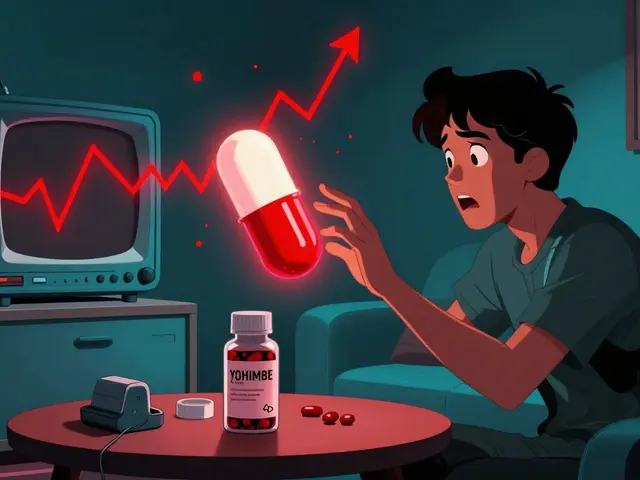
The Reality of Medication Risks
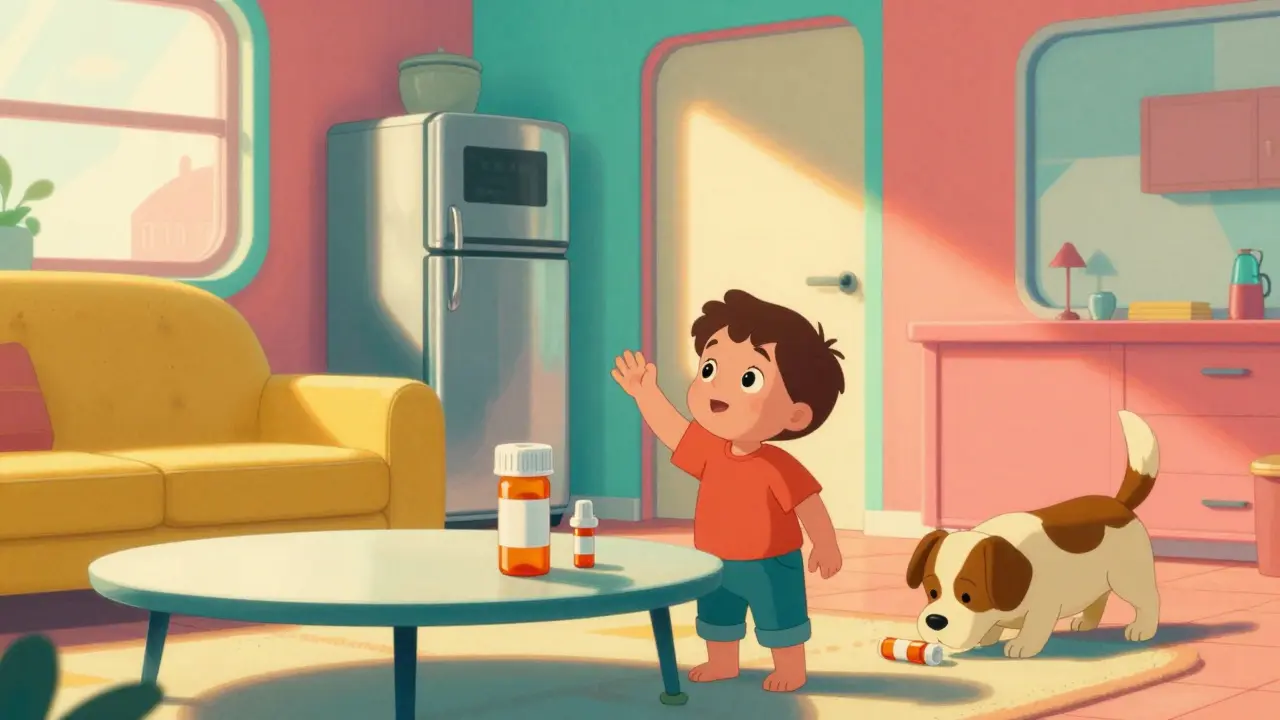
Every year, thousands of families face a preventable crisis because a bottle was left unattended. According to the American Association of Poison Control Centers, approximately 60,000 young children are treated in emergency departments annually for accidental medication ingestions. That number stops sounding like a statistic when you realize children under age 5 account for 75% of these cases. It isn't just kids either. Our furry friends are at equal risk. Dogs represent 78% of pet emergency visits related to accidental medication ingestion. If you have pills, ointments, or supplements in your house, you have a potential hazard until you secure them.
Where Danger Hides in Plain Sight
We often assume our medicine cabinets are safe because they are closed. Research shows this is rarely true. Parents frequently leave medicines in purses, backpacks, or on bathroom countertops during administration. A study by Seattle Children's Hospital indicates that improper storage accounts for 78% of pediatric poisoning cases. The most common error? Temporary placement on countertops.
Bathrooms are particularly risky environments for storage. With average humidity levels between 60-80%, they can degrade medication efficacy quickly. VCA Animal Hospitals recommends avoiding bathrooms and kitchen counters exposed to direct sunlight. Instead, aim for areas like kitchen pantries (average humidity 30-50%) or high bedroom closets. Height matters, too. The The 'Up & Away' campaign highlights that children can typically reach objects up to 4 feet high. To be truly safe, medications should be stored at heights exceeding 5 feet with visual obstruction.Up & Away Campaign. Clear cabinets defeat the purpose of being out of sight; visual barriers are key.
The Limits of Child-Proof Caps
You might think the plastic cap on a prescription bottle is enough protection. Experts warn against this assumption. While Child-resistant packagingMust meet ASTM International standard D3475 requiring testing with children aged 42-51 months, it offers only temporary protection. It is designed to buy time, not guarantee safety against a determined toddler who has seen you open it. Dr. Lara McKenzie, principal investigator at Nationwide Children's Hospital, notes that storing medicines in high places alone isn't sufficient-children are adept climbers. Locked storage at heights exceeding 5 feet provides the optimal protection layer.
| Storage Method | Security Rating | Risk Level |
|---|---|---|
| Standard Cabinet | Low | High Access |
| Child-Resistant Cap | Medium | Moderate Access |
| High Cupboard + Lock | High | Very Low Access |
| Biometric Safe | Maximum | Negligible Access |
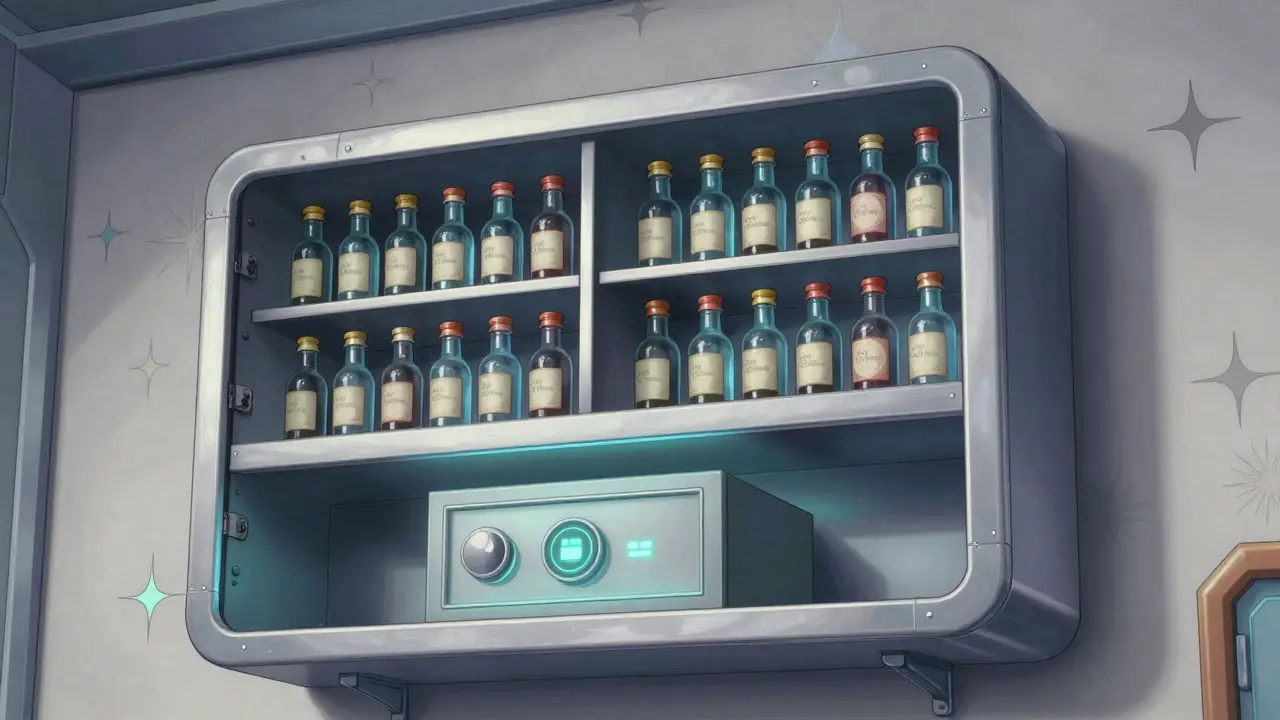
For those seeking the highest security, products like the VADIC Safe Storage Bag with Combination Lock offer a portable solution measuring precisely 11" x 6". These can hold medications and other potentially harmful substances. Market analysis shows a 75% year-over-year growth in sales of medication lock boxes, indicating parents are increasingly moving beyond basic cabinet storage.
Pet Medication Separation
If you own both humans and animals, you face a unique challenge. Never store pet medications alongside human medications. The American Veterinary Medical Association specifies complete physical separation due to cross-species toxicity risks. For instance, NSAIDs common in human pain relief can cause renal failure in cats at doses considered therapeutic for people. Conversely, canine arthritis medications can harm humans if ingested mistakenly.
Dogs and cats are driven by scent. A determined pet with a good nose can find a pill vial at the back of a cabinet, especially if the medication is flavored. VCA Animal Hospitals documents that medications for horses often contain flavorings attractive to pets, requiring specialized secure storage away from residential areas. To mitigate this, use the three-zone system recommended by experts:
- Zone 1 (Immediate Access): Contains only the current dose on a flat surface during administration.
- Zone 2 (Short-Term Storage): Requires locked containers at minimum 5 feet elevation.
- Zone 3 (Long-Term Storage): Necessitates separate, labeled locations for human, dog, and cat medications respectively.
The Gummy Vitamin Trap
A modern danger comes in the form of chewable supplements. CDC data indicates gummy vitamins account for 30% of childhood supplement ingestions despite representing only 15% of the market. Both children and pets perceive them as candy. In fact, 62% of parents mistakenly believe these products require less stringent storage than traditional pills. They do not. Treat every gummy vitamin exactly like prescription medication. If it looks sweet, assume it is dangerous if consumed unsupervised.
Implementing the Two-Minute Rule
Behavior changes make the biggest difference in safety. Children's Mercy Hospital recommends implementing a Two-minute ruleImmediately securing medications after every use, even between doses, preventing 52% of childhood ingestions. This means putting the bottle back immediately after taking your morning pill. Waiting until later in the day creates a window of opportunity for curious hands.
User experiences show real-world success with this habit. On parenting forums, users report using biometric safes for medications after near-miss incidents. While some find the fingerprint lock adds 10 seconds to their routine, it prevents potential disasters. Implementation typically requires 15-30 minutes for initial setup but reduces to 2-3 seconds per medication access with proper organization.
Safe Disposal Protocols
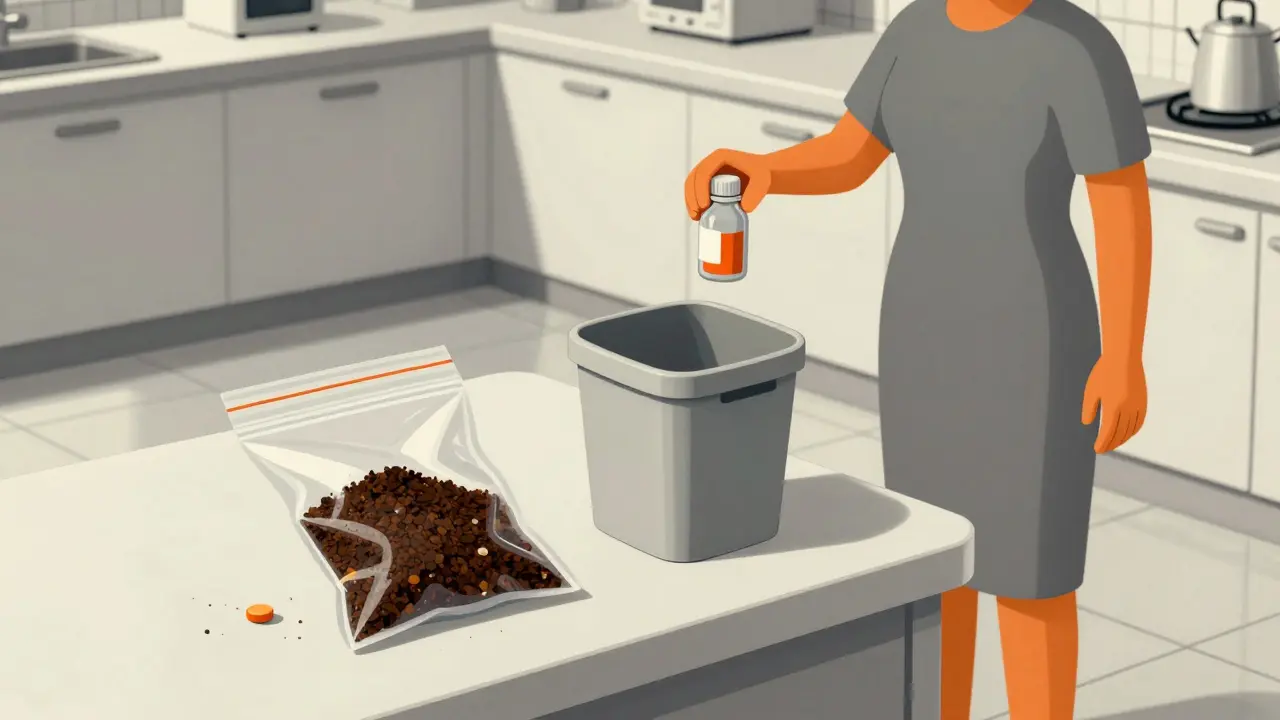
Safety doesn't end when the medication expires. Improperly disposed medicine can be retrieved by scavengers. Proper disposal protocols require mixing medications with unpalatable substances like coffee grounds or cat litter. The Environmental Protection Agency testing suggests a minimum 1:1 ratio by volume before sealing in plastic bags achieves 92% effectiveness in preventing reuse. Some household chemicals also fit into this category for disposal. Check with your local pharmacy for take-back programs if you have large quantities, especially controlled substances.
Is a locked medicine cabinet necessary?
While not strictly required by law in all regions, experts recommend locked storage for homes with toddlers. Standard cabinets are climbable. Lockboxes add a security layer that child-resistant caps cannot provide on their own.
Where should I keep pet medications?
Keep pet medications in a separate zone from human drugs, ideally in a locked container. Cats and dogs can distinguish scents easily, so do not rely on high shelves alone if you have persistent pets.
Can I leave pills on the kitchen counter?
No. Countertops are accessible to climbing children and jumping pets. Always return bottles to secure storage immediately after administration, following the two-minute rule.
Do gummy vitamins need to be locked up?
Yes. Because they resemble candy, children often attempt to eat them without supervision. They pose a significant choking and toxicity risk similar to prescription drugs.
How should I dispose of old medicine?
Mix unused medication with something undesirable like used coffee grounds or kitty litter in a sealed bag. Throw it in regular trash unless there is a specific take-back program available locally.

Sabrina Herciu
Safety is paramount!! When considering where to place medication you must think beyond the basic cabinet!!!! The humidity in bathrooms is terrible for pills!! It ruins them quickly!!! You need a dry spot!! Kitchen pantries are excellent choices!!!!! Do not rely on caps alone!! They fail against determined toddlers!! A locked box is superior!! Biometrics work wonderfully!! Pet meds must be separate!! Cats smell everything!! Dogs chase smells!! Mixing zones causes toxicity risks!! Disposal matters too!! Coffee grounds help mask scent!! Never flush water down!! This protects the environment!!! Follow the two minute rule!! Secure it immediately after use!!

Poppy Jackson
You won't believe how close my toddler got to the ibuprofen last night!!

Rachael Hammond
Oh that sounds scary i hope u r ok now! My kid tried eatin gummy vitamins too its realy easy to stop them though!

Philip Wynkoop
Glad to see safety awareness growing :) Keep those cabinets secured ! Stay vigilant always :)

Devon Riley
Locking medicine cabinets saves lives daily 🔒 Keeping things hidden from view helps protect everyone 🏠 Thank you for spreading this info 📢

Tommy Nguyen
We can all stay safe together just needs a little effort from us to keep homes secure

Jeannette Kwiatkowski Kwiatkowski
Most families just aren't educated enough to grasp the nuance here. You'd think basic logic prevails but negligence is rampant among the lower income brackets who lack secure cabinetry.

Eva Maes
That is a rather inflammatory assumption regarding socioeconomic status and home security measures! While some neglect exists, many high-income households fall victim to complacency regarding gummy supplements which pose unique hazards.

gina macabuhay
Complacency is an understatement when discussing life-threatening substances in your kitchen! Stop making excuses for the negligent behavior of parents who leave vials unattended like candy bars!
Write a comment