Recent POST


Getting your generic medications shouldn’t feel like a chore. Yet for years, people have been stuck driving to pharmacies, waiting in line, paying full price for drugs that cost pennies elsewhere-while doctors’ offices remain overbooked and insurance paperwork piles up. In 2025, that’s changing. App-based prescribing is now the fastest, cheapest way to get common generic drugs delivered to your door-no in-person visit needed. But not all platforms are built the same. Some cut corners. Others deliver real care. Here’s what actually works.
How App-Based Prescribing Works (And Why It’s Faster Than Your Local Pharmacy)
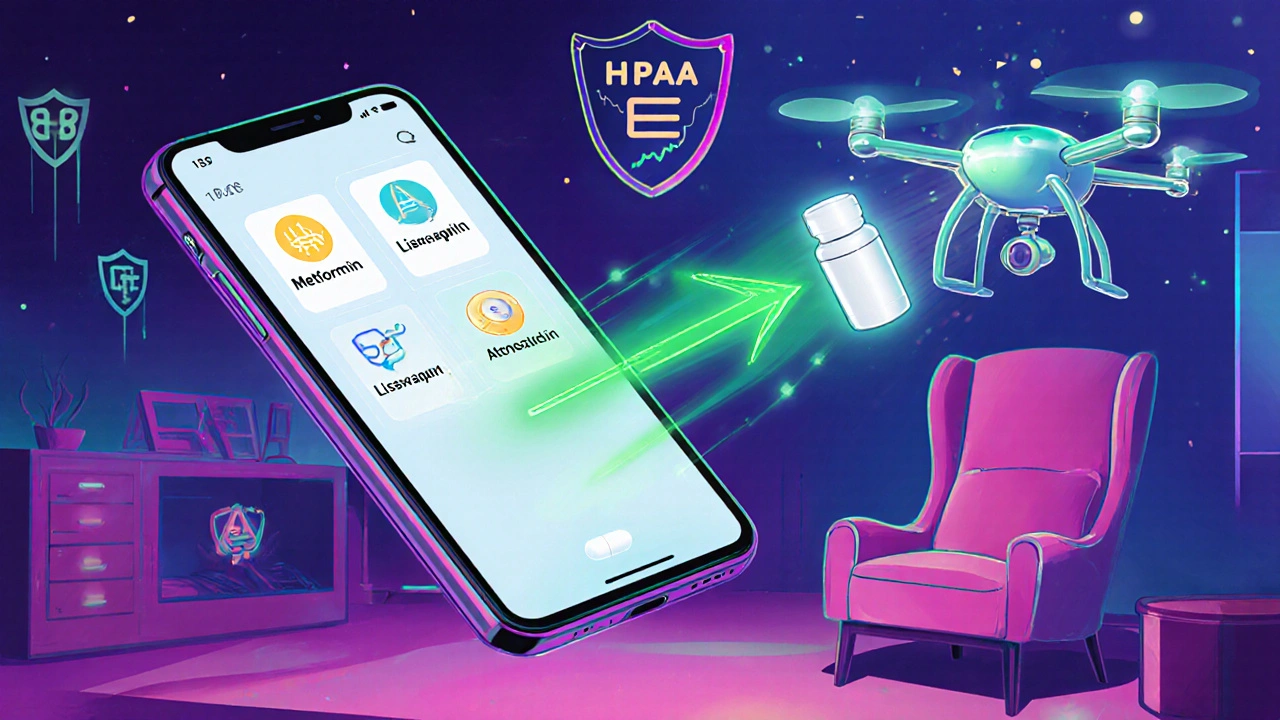
It starts with an app. You open it, answer a few questions about your symptoms or condition, and upload a photo of your ID. Within minutes, a licensed doctor reviews your info. If it’s safe and appropriate, they send an e-prescription directly to a partnered pharmacy. Your meds arrive in 1-2 days-sometimes same day. No calls. No waiting. No awkward conversations about erectile dysfunction or hair loss.
This isn’t magic. It’s streamlined care. The average time from start to prescription approval? 12-18 minutes. Compare that to traditional clinics, where you might wait 24-72 hours just to get an appointment, then another day to fill the script. Platforms like Ro, Hims & Hers, and Amazon RxPass use AI to screen for red flags-drug interactions, allergies, duplicate prescriptions-before a doctor even sees your file. That’s why 92% of prescriptions are filled within 24 hours.
Security? HIPAA-compliant. All data is encrypted with 256-bit AES. Biometric login (Face ID, fingerprint) is standard. These apps don’t store your credit card details-they use tokenized payments. And they’re built on secure cloud platforms like AWS and Google Cloud, with regular third-party audits. You’re not just saving time-you’re safer than you think.
The Top 4 Platforms for Generic Medications in 2025
Not all apps are created equal. Some are just digital pharmacies with flashy ads. Others are full-service health platforms. Here are the four that stand out in 2025:
Amazon RxPass
Launched in 2023, Amazon RxPass is the simplest option. Pay $5 a month, get access to over 150 generic medications-no consultation fee, no per-drug charges. That includes common drugs like metformin for diabetes, lisinopril for high blood pressure, and atorvastatin for cholesterol. If you’re a Prime member, it’s a no-brainer. Over 8.2 million people use it as of mid-2025.
But here’s the catch: only 150 drugs. If you need something outside that list-say, a thyroid med or an antidepressant-you’re out of luck. Reviews are mixed. Users love the price, but complain about limited options and robotic customer service. It’s great if you take one or two generics. Not so much if your regimen is complex.
Ro
Ro is the most comprehensive. It covers over 1,200 medications across 15 condition categories-from acne to anxiety to hypertension. Doctors are board-certified in all 50 states. You get video consults, not just text forms. And unlike Amazon, Ro integrates with Apple Health and other EHR systems to reduce medication errors.
The catch? It’s not free. You pay $15/month for the subscription, then the cost of the meds. But the meds are still 30-50% cheaper than retail pharmacies. A 30-day supply of sertraline (Zoloft generic) costs $12 at Ro. At CVS? $48. Ro also has a proven track record: one diabetes management program saw 89% adherence vs. 67% in traditional care.
Hims & Hers
Hims & Hers built its name on lifestyle meds: hair loss, erectile dysfunction, skincare. It still dominates these categories, with 28% market share in 2025. If you need finasteride, minoxidil, or tretinoin, this is your go-to. Pricing is straightforward: $25-$45 for the consult, then the drug. Generics are priced 40-60% below retail.
But don’t expect help with chronic conditions. Hims & Hers doesn’t handle insulin, blood thinners, or asthma meds. Their focus is narrow-and that’s intentional. They’re not trying to replace your primary care doctor. They’re solving specific, high-demand problems with speed and discretion.
Beem Health
Beem Health is the outlier. It doesn’t just sell meds-it helps you pay for them. With its Everdraft™ feature, you can get a cash advance up to $1,000 to cover out-of-pocket costs. That’s huge for people on high-deductible plans or without insurance. It also offers financial counseling and budgeting tools.
Beem covers 800+ generics and has the highest Trustpilot score (4.2/5) among major platforms. Users love the combo of savings and financial flexibility. But it’s newer, with only 5.1 million users as of August 2025. Support can be slower than Amazon’s 24/7 chat. Still, if you’re juggling medical bills, Beem is the only app that treats your wallet like part of your health plan.
What’s Not Covered (And Why)
App-based prescribing is powerful-but it has limits. You won’t get:
- Controlled substances (opioids, Adderall, Xanax)
- Injectables (insulin pens, B12 shots)
- Compounded medications
- Drugs requiring lab monitoring (like lithium or warfarin)
Why? Regulations. State laws vary. Twenty-two states still require an existing patient-doctor relationship before prescribing. The FDA has issued 12 warning letters to telehealth companies in early 2025 for misleading marketing claims. And doctors on these platforms are trained to say no-often. Prescription approval rates average just 65-75%. That’s not a flaw. It’s a safety net.
One user on Reddit said: “I got denied for metformin because I didn’t have a recent HbA1c. I was mad-until I realized they were protecting me from prescribing a drug without checking my kidney function.” That’s the hidden value: these apps don’t just push pills. They screen for risk.
Real User Experiences: What People Actually Say
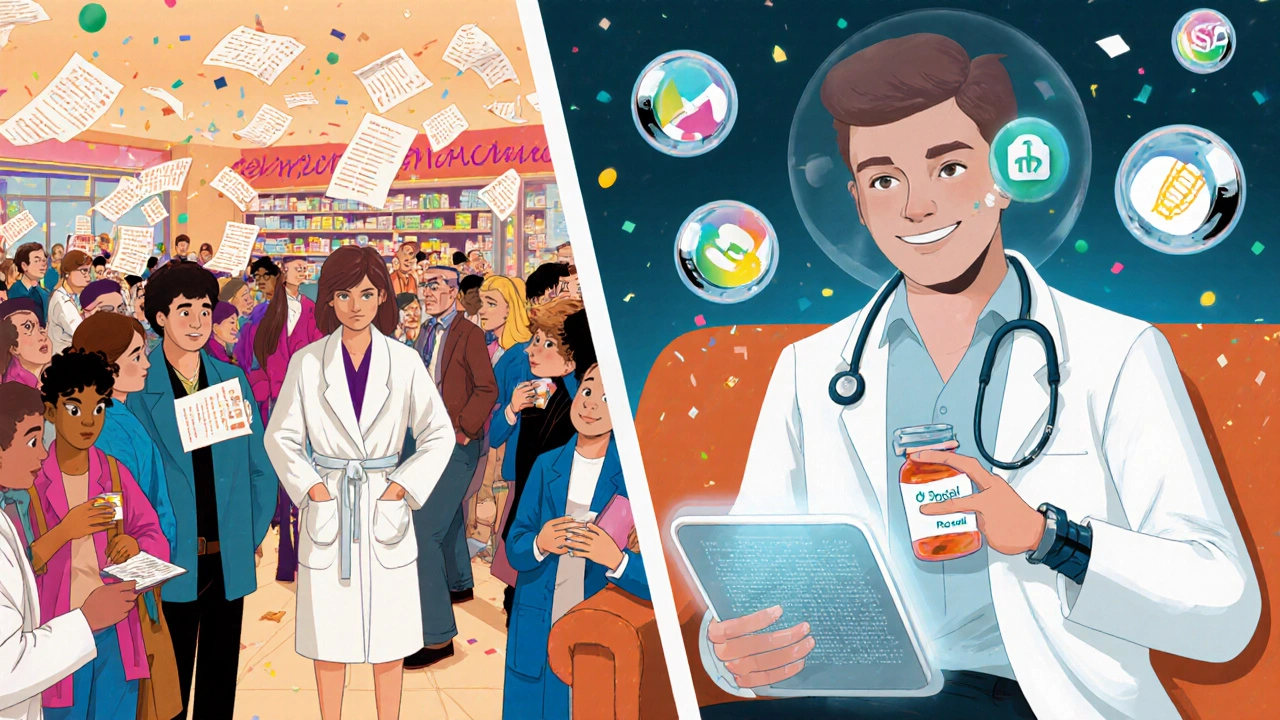
Look at the reviews. On Trustpilot, Amazon RxPass scores 3.5/5. People love the $5 fee but hate the limited list. “I needed metoprolol. Not on the list. Had to go to CVS and pay $52. Felt like a trap,” wrote one user.
Hims & Hers gets 3.6/5. Complaints? “I waited three days for a refill. No one answered the chat.”
Beem Health? 4.2/5. “I got my lisinopril for $8. Then I got a $300 advance to cover my copay for my glucose monitor. This app saved me from choosing between meds and rent.”
Ro? 4.0/5. “I’ve been on antidepressants for 10 years. My old doctor retired. Ro connected me with a psychiatrist who reviewed my whole history. No more guessing.”
Common praise: convenience, discretion, cost. Common complaints: poor support, refill delays, inconsistent substitutions. One user on r/pharmacy reported getting a different generic brand than usual-then had to call three pharmacies to fix it. That’s a real gap. These platforms aren’t connected to every pharmacy system. If your local pharmacy doesn’t use the same network, you’ll get a different pill.
Who Should Use This? Who Should Avoid It?
Use app-based prescribing if:
- You take one or two common generics (blood pressure, cholesterol, diabetes, anxiety)
- You’re between 25 and 44 (52% of users are in this group)
- You want privacy for sensitive conditions
- You’re uninsured or have high deductibles
Avoid it if:
- You’re on 5+ medications or have complex health issues
- You’re over 65 and rely on Medicare Part D (most apps don’t integrate yet)
- You need lab tests or regular follow-ups
- You prefer face-to-face care
Experts warn about care fragmentation. A 2025 JAMA study found telehealth platforms prescribe meds 23% more often than traditional clinics. That’s not always better. If you’re using Ro for blood pressure, CVS for asthma, and Hims for hair loss-your doctors don’t see the full picture. That’s dangerous. Always tell your primary care provider you’re using an app. And ask if they can sync records.
How to Get Started in 3 Steps
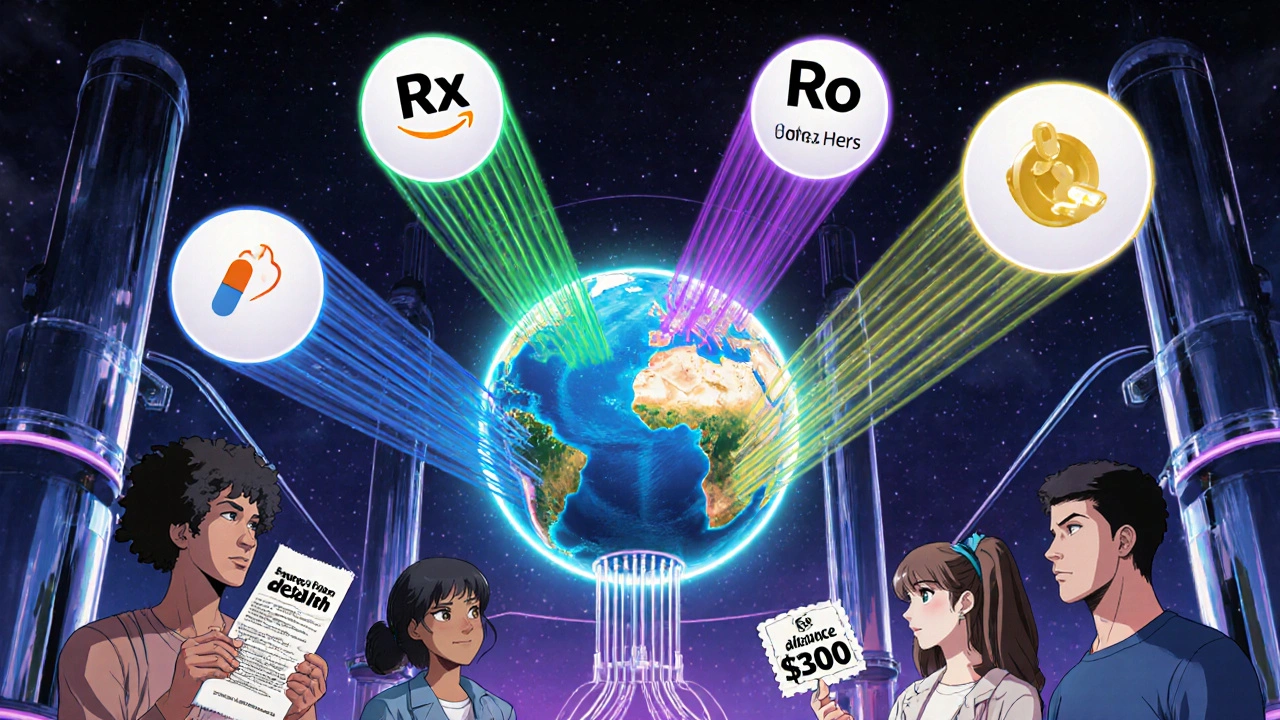
- Download one app. Start with Amazon RxPass if you’re on Prime and take simple meds. Go with Ro if you need broader coverage.
- Complete the medical questionnaire honestly. Skip questions? Your script gets denied.
- Upload a clear photo of your ID. Blurry images cause 40% of delays.
First-time users take under 20 minutes to finish. Most get their first prescription within 24 hours. Delivery is free. No need to leave your house.
The Future: What’s Coming in 2026
Amazon plans to expand RxPass to 300 medications by Q1 2026. Ro is rolling out Apple Health integration to fix care gaps. Beem Health is working on Medicare Part D integration. And 12 states are testing pilot programs to link telehealth platforms with traditional pharmacy records.
The goal? Hybrid care. Not replacing doctors-augmenting them. In 2026, you might get your blood pressure script from Ro, then walk into your local pharmacy for a quick check-in with a pharmacist. That’s the future: digital convenience, human oversight.
App-based prescribing isn’t perfect. But for millions of people, it’s the only way they can afford their meds. And that’s worth something.
Can I use insurance with app-based prescribing platforms?
Most platforms don’t accept insurance yet. They’re designed for out-of-pocket users. Amazon RxPass, Hims & Hers, and Ro charge flat fees or per-prescription costs. Beem Health lets you use cash advances to cover costs, but doesn’t bill insurance. Some platforms are testing insurance integration, but it’s not mainstream in 2025. If you have insurance, check your plan’s pharmacy network first-you might get better prices directly at CVS or Walgreens.
Are generic medications from these apps safe?
Yes. All generics sold through these platforms are FDA-approved and come from licensed U.S. pharmacies. They contain the same active ingredients as brand-name drugs, just without the marketing costs. The FDA inspects these pharmacies regularly. The real risk isn’t the medication-it’s the lack of coordination with your other doctors. Always tell your primary care provider you’re using an app.
Why do some prescriptions get denied?
Prescriptions are denied for safety reasons. If your medical history shows a drug interaction, if you’re already taking the same med, if you haven’t had recent lab work, or if your symptoms don’t match the diagnosis, the doctor will say no. This isn’t a glitch-it’s the system working. About 25-35% of initial requests are denied. If you disagree, you can request a second opinion or schedule a video consult to explain your case.
Can I get controlled substances like Adderall or Xanax through these apps?
No. Federal law prohibits telehealth platforms from prescribing controlled substances like stimulants, benzodiazepines, or opioids. This is non-negotiable. Any app claiming to offer these is breaking the law. If you need these medications, you must see a doctor in person and get a physical prescription.
What if my meds arrive and they look different?
Generics can look different from brand names or even other generics-they’re allowed to vary in color, shape, or size. But the active ingredient must be identical. If you’re unsure, take a photo of the pill and send it to the app’s support team. They’ll confirm it’s the correct medication. If it’s wrong, they’ll send a replacement. Never take a pill you don’t recognize without checking.

Brandon Trevino
The data here is statistically robust but dangerously incomplete. Amazon RxPass's 92% fulfillment rate is misleading-it doesn't account for refill delays, substitution errors, or pharmacy network fragmentation. The JAMA study cited shows telehealth platforms prescribe 23% more often than traditional clinics, yet no one addresses the downstream consequences: polypharmacy, lack of coordination, and the erosion of longitudinal care. This isn't innovation-it's pharmaceutical arbitrage wrapped in UX polish. The real metric isn't speed, it's safety over time-and that's not being measured.

Denise Wiley
OMG I just got my lisinopril through Beem and it was $8?? I’ve been paying $57 at Walgreens for years 😭 I cried when the box arrived. Also got a $200 cash advance for my glucose monitor-this app literally kept me from choosing between food and meds. Thank you to whoever built this. You’re a hero.

George Hook
Let me offer some context that’s being glossed over here. The FDA’s 12 warning letters to telehealth platforms in early 2025 weren’t random-they were the result of systemic patterns: misleading claims about ‘same-day delivery’ when delivery windows were 48–72 hours, unsubstantiated claims of ‘doctor-reviewed’ when AI triage handled 80% of cases, and the normalization of off-label prescribing under the guise of ‘lifestyle optimization.’ The platforms that are actually safe-the ones with board-certified physicians, EHR integration, and real audit trails-are the minority. Most users don’t know how to distinguish them. The marketing is designed to exploit urgency, not inform. This isn’t just a healthcare issue-it’s a consumer protection crisis disguised as convenience.

jaya sreeraagam
As someone from India who moved to the US last year, I was shocked how expensive meds are here. Back home, metformin costs less than $1 a month. But seeing Beem Health offer $300 advances for copays? That’s revolutionary. I’ve been using Ro for my anxiety meds-$12 for sertraline is a miracle compared to $48 at CVS. But I do wish they had better support for non-native English speakers. The chatbot kept misunderstanding my accent. Still, I’m so grateful. This system isn’t perfect, but it’s the first time I’ve felt seen as a patient, not just a bill.

Katrina Sofiya
I want to emphasize the human impact here. My father, 72, was refusing to refill his blood pressure meds because he couldn’t afford the copay. He didn’t tell anyone. I signed him up for Amazon RxPass-metoprolol, $3. He cried when he got the package. He said, ‘I didn’t think anyone cared enough to make this easy.’ That’s the real win. Not the stats. Not the tech. The dignity. These platforms don’t just deliver pills-they deliver hope. And that’s worth more than any algorithm.

kaushik dutta
Let’s cut through the corporate fluff. These apps are not healthcare-they are predatory retail models with medical veneers. Amazon RxPass is a loss leader to lock you into Prime. Ro and Hims & Hers are VC-funded vanity projects monetizing anxiety. Beem’s ‘Everdraft’ is a payday loan with a stethoscope. The 65% approval rate? That’s not safety-it’s gatekeeping. And the fact that 22 states still require in-person visits proves the system knows this isn’t sustainable. Stop calling this innovation. It’s capitalism optimizing for profit, not patients. And if you’re defending it, you’re complicit.

doug schlenker
I’ve used all four platforms. Amazon RxPass is great for simple meds but terrible when you need something off-list. Ro is the most thorough but the interface feels like a tax form. Hims & Hers is fine if you only need one thing-don’t go there for anything else. Beem is the hidden gem, but their support takes days. The real issue isn’t the apps-it’s that we’ve built a system where the only way to afford meds is to gamble on a startup’s business model. We need policy change, not just app upgrades. These platforms are bandaids on a hemorrhage.

Olivia Gracelynn Starsmith
Just got my first prescription through Ro and it was seamless. Upload ID, answer questions, got a call from a doctor within 15 minutes. No awkwardness. No waiting. My lisinopril arrived in 18 hours. I’ve been on it for 8 years. This is what healthcare should look like. I wish I’d known about this sooner. To anyone hesitant-just try it. You’ll wonder why you ever went to the pharmacy.

Skye Hamilton
...and yet... the *real* problem... isn't the apps... it's that we've normalized... *having* to choose between rent and insulin... and now... we're praising startups for... fixing a system they helped destroy...? I mean... really...? This isn't progress... it's a dumpster fire with free shipping... and someone's gonna get burned... and they'll say... 'but the app said it was safe'... and then... what?

Maria Romina Aguilar
...I’m not sure... I trust these apps... I mean... what if... they... misread my ID?... or... the doctor... doesn’t actually look at my history?... I’ve read... too many horror stories... about people getting the wrong meds... and... I don’t want to be... another statistic... I just... want to... feel... safe... and... I don’t... know... if... this... is... it...

Hannah Magera
My mom uses Amazon RxPass for her cholesterol med. She’s 68. She said it’s the first time she’s taken her pill regularly because it’s so easy. No driving. No waiting. No shame. I didn’t realize how much stress the old system put on her. This isn’t perfect, but it’s helping real people. Maybe the answer isn’t to tear it down, but to fix the gaps-like better pharmacy integration and insurance links. Let’s build on what’s working, not just complain.
Write a comment