Recent POST




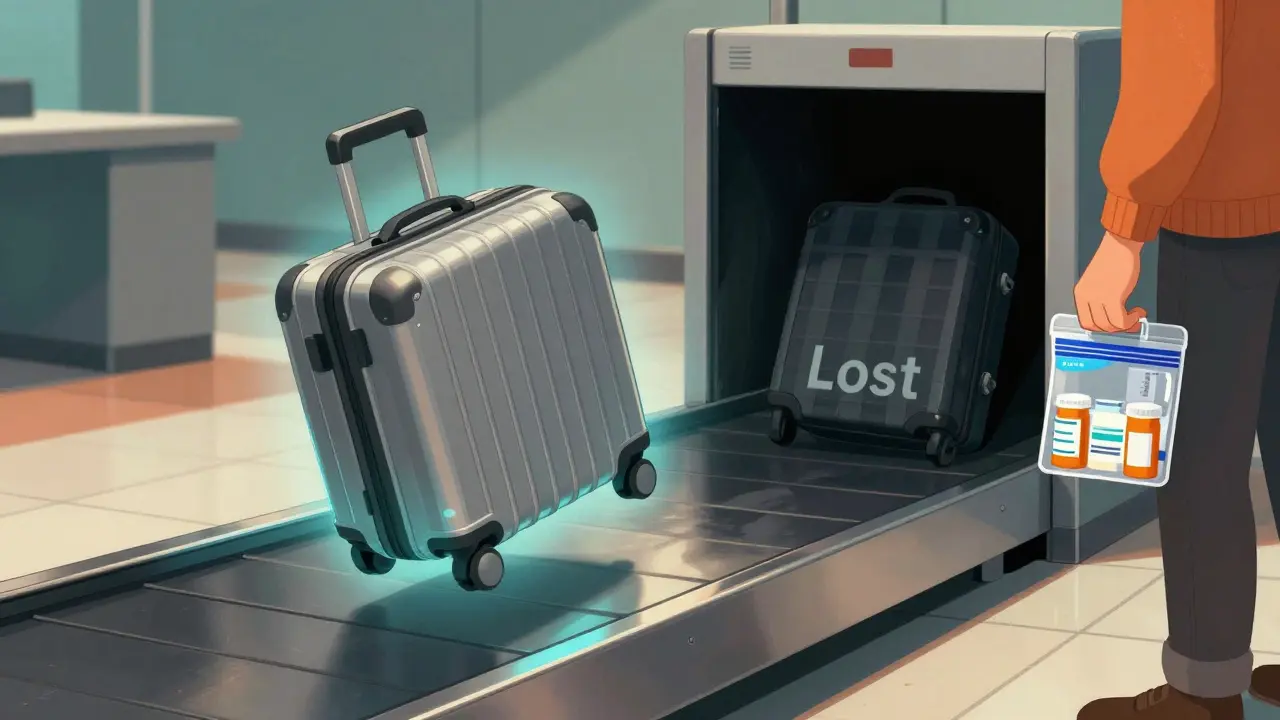
Imagine you are three days into a week-long cruise or stuck in traffic on a cross-country drive. You reach for your blood pressure meds, only to realize your carry-on bag is missing from the overhead bin. Or worse, you arrive at a port of call, and customs officials flag your pill bottle because it lacks a pharmacy label. These aren't just stressful scenarios; they are preventable disasters that happen to thousands of travelers every year.
Packing medications for long journeys requires more than just tossing pills into a bag. It involves navigating strict transportation security rules, understanding international drug laws, and preparing for delays. Whether you are cruising the Caribbean or driving across state lines, getting this wrong can mean denied boarding, confiscated drugs, or dangerous gaps in your treatment plan. Here is exactly how to pack safely and legally.
The Golden Rule: Carry-On Only
Never, under any circumstances, pack prescription medications in checked luggage. This applies to both airplanes and rental cars where you might leave bags in the trunk. According to data from SITA’s 2022 Baggage Report, there is a 0.02% annual lost luggage rate. While that number sounds small, when millions of people travel, it translates to thousands of lost bags containing essential life-saving drugs.
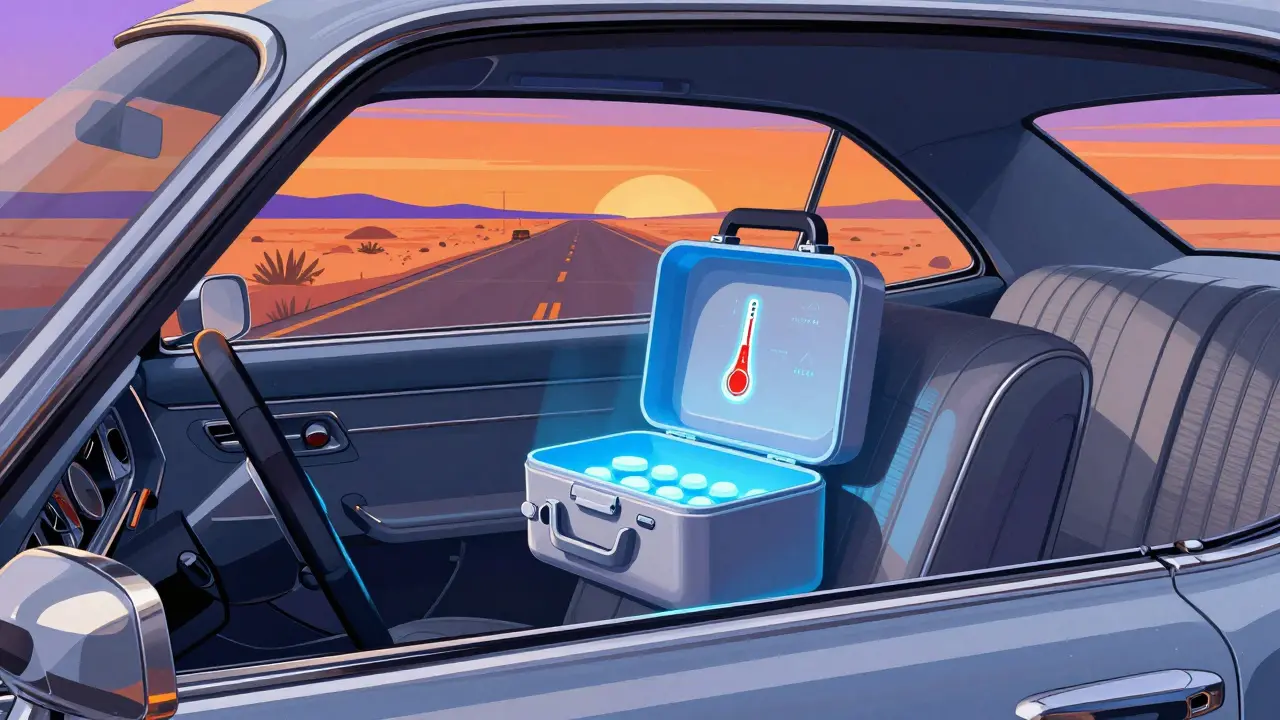
Royal Caribbean International updated their policy in January 2024 to explicitly state that guests must transport all medications in carry-on luggage. This minimizes the risk of loss or diversion. If you are driving, keep your meds in the passenger compartment, not the trunk. Trunks can get extremely hot, potentially ruining temperature-sensitive drugs like insulin, even if the outside weather feels mild.
Keep Original Labels and Containers
This is the single most common mistake travelers make. Do not transfer your pills into generic weekly pill organizers unless you have specific documentation backing them up. The U.S. Customs and Border Protection mandates that prescription medications must display the name matching the traveler's passport.
If you are traveling internationally or even crossing state lines with controlled substances, officers need to verify that the medication belongs to you. A plain white bottle with no label looks suspicious. Keep everything in its original pharmacy container. If you use a daily blister pack or a "Pill Minder," tape it shut with clear labeling and carry the original bottles as backup proof. Special Journeys, an organization focused on safe group travel, notes that 78% of medication errors during travel result from improper labeling.
Can I put my pills in a ziplock bag?
You can place your original prescription bottles inside a clear quart-sized Ziploc bag for easy access at security checkpoints. However, do not remove the pills from their labeled containers and put them directly into a bag without labels. Security agents need to see the pharmacy label to verify the prescription.
Calculate Your Supply: The Buffer Rule
Travel delays are real. OAG Aviation’s 2023 On-Time Performance Report shows that approximately 23% of international flights experience delays. If your flight is grounded or your car breaks down, you cannot afford to run out of meds.
Follow this buffer rule:
- Short trips (under 5 days): Pack enough for the full duration plus 1 extra day.
- Cruises and Flights: Pack enough for the full duration plus at least 3 extra days. Royal Caribbean recommends a minimum of three extra days' supply to account for itinerary changes or port closures.
- Long Road Trips: Pack for the duration plus 2 extra days, assuming you might be delayed by weather or accidents.
Dr. Jane Chen, a board-certified travel medicine specialist, emphasizes that carrying your own medication does not replace the need for comprehensive travel medical insurance. In fact, 28% of cruise ship medical emergencies require evacuation, which costs an average of $48,000. Having extra meds buys you time while you arrange care.
Navigating TSA and Liquid Rules
If you take liquid medications, insulin, or injectables, you have special rights at security checkpoints. The Transportation Security Administration (TSA) permits prescription medications in carry-on luggage without volume restrictions. This means you are exempt from the standard 3-1-1 rule (3.4 oz liquids).
However, you must declare these liquids to the TSA officer before screening begins. Place them in a separate bin for X-ray screening. If you prefer not to have them X-rayed, you can request a visual inspection. For international flights, ensure your liquid meds are in their original containers with the pharmacy label attached. Cruise Hive, a travel expert resource, notes that this step is critical for clearing customs abroad.
Documentation: Your Medical Passport
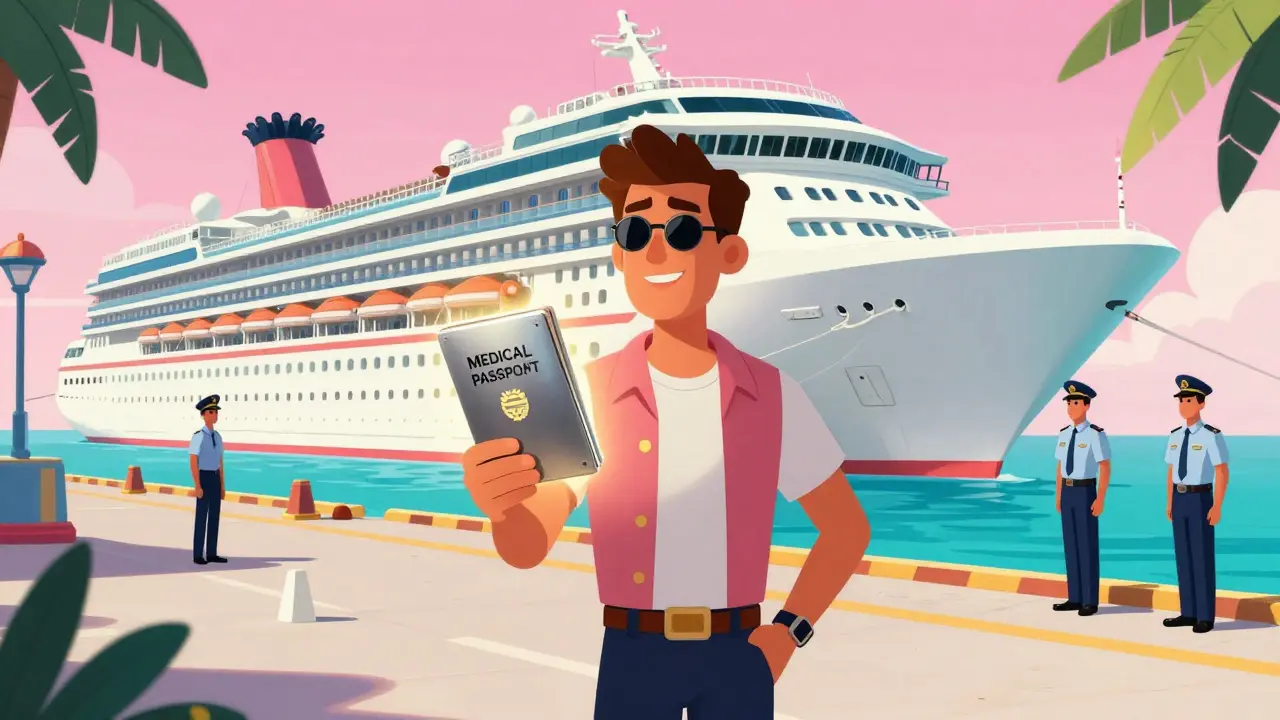
Your physical pills are only half the battle. You need paper (and digital) proof. Create a "Medical Passport" folder that includes:
- A letter from your doctor: This should list your condition, the medication names, dosages, and confirm that you are under their care. Have it signed and dated within the last 6 months.
- Copies of prescriptions: Photocopies or digital scans of each prescription label.
- A detailed medication list: Include the brand name, generic name, dosage, and frequency. The CDC Travelers' Health guidelines recommend having this in both physical and digital formats. This helps overcome communication barriers, which affect 12% of travelers according to the 2023 International Travel Health Survey.
Store a copy of this information in the cloud (like Google Drive or iCloud) so you can access it from any device if your physical papers are lost.
Cruise-Specific Challenges
Cruising adds layers of complexity because you are entering multiple countries. When you dock in a foreign port, you are subject to that country's drug laws. Dr. Michael Thompson, former medical director for Royal Caribbean, warns that stimulants and certain psychotropic medications may be restricted or require special permits in 65% of Caribbean destinations.
For example, some countries classify ADHD medications like Adderall as illegal narcotics. Norwegian Cruise Line requires passengers to declare controlled substances 30 days before sailing. Carnival Cruise Line mandates physician documentation for all medications containing codeine or other Schedule II substances. Always check the specific regulations for every port on your itinerary. The International Association for Medical Assistance to Travellers (IAMAT) reports that 42% of common medications require special permits for certain destinations.
Road Trip Realities
Road trips seem simpler, but they have their own traps. The American Automobile Association (AAA) reports that 67% of members experienced medication-related issues during cross-state travel. Why? Because state laws vary wildly.
Medical marijuana is the biggest culprit. It remains illegal in 13 states despite being approved for medical use in 38 others, according to NORML's 2023 State Laws Report. If you drive from Colorado to Utah with medical cannabis, you could face serious legal trouble. Stick to federally legal medications when crossing state lines, and always keep them in your vehicle's interior, away from direct sunlight and heat.
Organization Systems That Work
Chaos leads to missed doses. Use one of these five accepted packing systems recommended by Special Journeys:
- Daily Pill Cards: One pill per bubble. Good for simple regimens.
- Unit Dose Boxes: Pre-packaged individual doses from the pharmacy.
- Pill Minders: Must be taped shut with clear time labeling.
- Pill Envelopes: Must be labeled with your name, date, time, and pill count.
- Color-Coded Bags: As suggested by user u/CruiseMedExpert on Reddit, using color-coded Ziplock bags for each medication type reduced administration errors by 100% during a 14-day Mediterranean cruise.
Temperature Control Matters
Many biologics and insulins are sensitive to heat. The FDA notes that 41% of biologic medications require strict temperature control. If you are cruising in tropical waters or driving through summer heat, invest in a UV-protective medication case that maintains temperature for up to 72 hours. Major pharmacies like CVS and Walgreens now offer free travel repackaging services that include these protective cases. Never store meds in the cabin air vent or against a window.
Final Checklist Before You Go
Start your preparation 30 days before travel. Consult your physician to verify destination country medication legality. Allocate 2.5 hours for final packing, including creating digital records and organizing your kit. Verify your quantities against TSA guidelines. Finally, ensure your travel insurance covers pre-existing conditions and medical evacuations. With proper planning, your health will never be left behind.
Do I need a doctor's note for over-the-counter meds?
Generally, no. Over-the-counter (OTC) medications like ibuprofen or antacids do not require a doctor's note. However, if you are carrying large quantities (more than a personal use amount), customs officials might question you. It is wise to keep OTC meds in their original packaging and carry a list of what you are taking and why, especially if they contain pseudoephedrine or codeine, which are restricted in many countries.
What if my medication is liquid and exceeds 3.4 ounces?
Prescription liquid medications are exempt from the TSA 3-1-1 liquid rule. You can bring reasonable quantities exceeding 3.4 ounces. You must declare them to the security officer at the checkpoint. They may be subjected to additional screening, such as a vapor test or visual inspection. Ensure the container is clearly labeled with your prescription details.
Can I take medication on a cruise if it's illegal in the port countries?
This is complex. Cruise ships often operate under the laws of the flag state (e.g., Panama or Bahamas), but once you disembark, you are subject to local laws. Many cruise lines, like Royal Caribbean and Carnival, allow you to bring necessary prescribed medications even if they are restricted in ports, provided you have proper documentation and they are in original containers. However, you must not distribute them. Check with your cruise line's medical policy specifically for controlled substances like ADHD meds or opioids before booking.
How should I store insulin during a road trip in summer?
Insulin degrades in high temperatures. Never leave it in a parked car. Use a soft-sided insulated cooler bag with ice packs, ensuring the insulin does not freeze. Keep the bag in the passenger seat area where it is shaded and cool. Monitor the temperature if possible. If you expect extreme heat, consider purchasing a portable battery-powered refrigerator designed for medical supplies.
What happens if my medication is confiscated at customs?
If your medication is confiscated due to lack of proper labeling or documentation, you may be denied entry or face fines. To mitigate this, always carry original pharmacy labels and a doctor's letter. If confiscation occurs, contact your embassy immediately. Some countries may allow you to purchase a local equivalent, but this is not guaranteed. Prevention through proper documentation is the only reliable strategy.

Tumble Farm
I travel for work constantly and the original bottle rule is non-negotiable. I once tried to be clever with a pill organizer in Europe and got stopped at customs in France. They didn't care about my doctor's note because the pills weren't labeled. I had to throw them away right there. Keep everything in the pharmacy bottles. It saves so much headache.

Dez Johnston
That sounds incredibly stressful, Tumble Farm. I can only imagine how frustrating it must have been to lose your medication like that. It really highlights why we need to follow these guidelines strictly. I always make sure to pack extra just in case of delays too. It gives me peace of mind knowing I am covered if things go wrong. We should all support each other in staying safe while traveling.

Amy Bogdahn
People are just lazy. Read the label. Follow the rules. It is not hard.

Koushiki Behera
The concept of carrying a medical passport is profound 🌍✨. It reminds us that our bodies are temples that require respect and documentation in a globalized world. I always carry a digital copy on my phone as well. It feels like a small act of mindfulness that can prevent huge chaos later. Travel is a journey of the soul but also of logistics 🧘♀️💊. Let us embrace this preparation with gratitude.

KESHAV KUMAR
Oh look another article telling adults how to pack. Shocking. I bet half of you reading this are still putting your insulin in the trunk of your car because you think the AC extends to the back seat. Spoiler alert: it does not. But sure, let us pretend everyone reads instructions before they board a plane. Classic.

Hafiz Omeiza
It is imperative that individuals understand the legal ramifications of transporting controlled substances across borders. The ignorance displayed by many travelers is appalling. One must consult international law and local statutes meticulously. To suggest otherwise is negligent. The buffer rule mentioned is statistically sound and should be adhered to without exception. Failure to do so reflects a lack of discipline and foresight. Proper documentation is not merely a suggestion; it is a requirement for civilized travel. Those who disregard these protocols invite unnecessary scrutiny and potential legal jeopardy. Education is key to avoiding such pitfalls.

Alex Johnston
They want you to declare your meds so they can track what you are taking :). Big Pharma loves data. Just keep your stuff hidden and smile. The government does not need to know every little thing you swallow. Trust no one. Keep your labels but maybe shred the doctor's note? Just kidding... or am I? :) Stay vigilant out there folks.

Sam Dudgeon
i mean why do you even need that much med stuff lol. seems like you are trying to get high or something. just take what you need for the day and leave the rest at home. nobody cares about your little health issues. stop making it a big deal. its annoying when people bring up their meds all the time

Kimberly Maten-ao
Wait, does this apply to over-the-counter supplements too? I take a lot of vitamins and probiotics. Do I need a doctor's note for those? That seems excessive. Also, what about liquid protein shakes? Are those considered medications? I need clarity on this because I plan to cruise next month and I do not want to get stuck at security again.

Jake Kitzmiller
Hey Kimberly! Good question. Generally, OTC meds and supplements do not need a doctor's note unless you have a massive amount. Think personal use size. If you bring 50 bottles of ibuprofen, they will ask questions. For vitamins, just keep them in original packaging. Liquid protein shakes are usually fine but declare them if they are large containers. TSA allows reasonable amounts of liquids for dietary needs. Just be polite and explain it is for nutrition. Hope that helps!

Sonam Norbu
This guide is useful for Americans traveling abroad but we need to remember that our laws are superior. Foreign countries should adopt our standards for medication transport. It is ridiculous that some places ban common US prescriptions. We export freedom and medicine. If they cannot handle our pills, they are weak nations. Pack your meds proudly and show them American strength. Do not let foreign bureaucrats intimidate you. Stand your ground.
Write a comment