Recent POST






The goal isn't just to tell your doctor you're "allergic to something." It's about providing a specific, detailed history that allows your anesthesiologist and pharmacist to steer clear of dangerous triggers. When you provide clear, concrete data, you're helping the team reduce the risk of avoidable adverse events, which some hospital systems have seen drop by 37% after implementing strict communication protocols.
The Difference Between an Allergy and a Side Effect
One of the biggest hurdles in preoperative meetings is a common misunderstanding of terminology. Many of us say we are "allergic" to a medication when we actually experienced a side effect. For example, if a blood pressure medication made you feel dizzy or a certain antibiotic gave you an upset stomach, that's typically an adverse reaction, not a true allergy. However, if you developed hives, experienced swelling in your throat, or struggled to breathe, that is a clinical allergy.
Why does this distinction matter? An anesthesiologist needs to know if a drug is strictly forbidden (like a penicillin allergy that causes anaphylaxis) or if it's simply something that makes you feel unwell. If you mislabel a side effect as an allergy, you might be denied a medication that is actually the safest and most effective option for your specific procedure. When talking to your team, describe the physical symptoms you felt rather than just using the word "allergic." Anesthesia is a task of administering medications to induce a reversible loss of consciousness for surgical purposes. Because it involves complex drug cocktails, the risk of a reaction is higher than in a standard clinic visit.
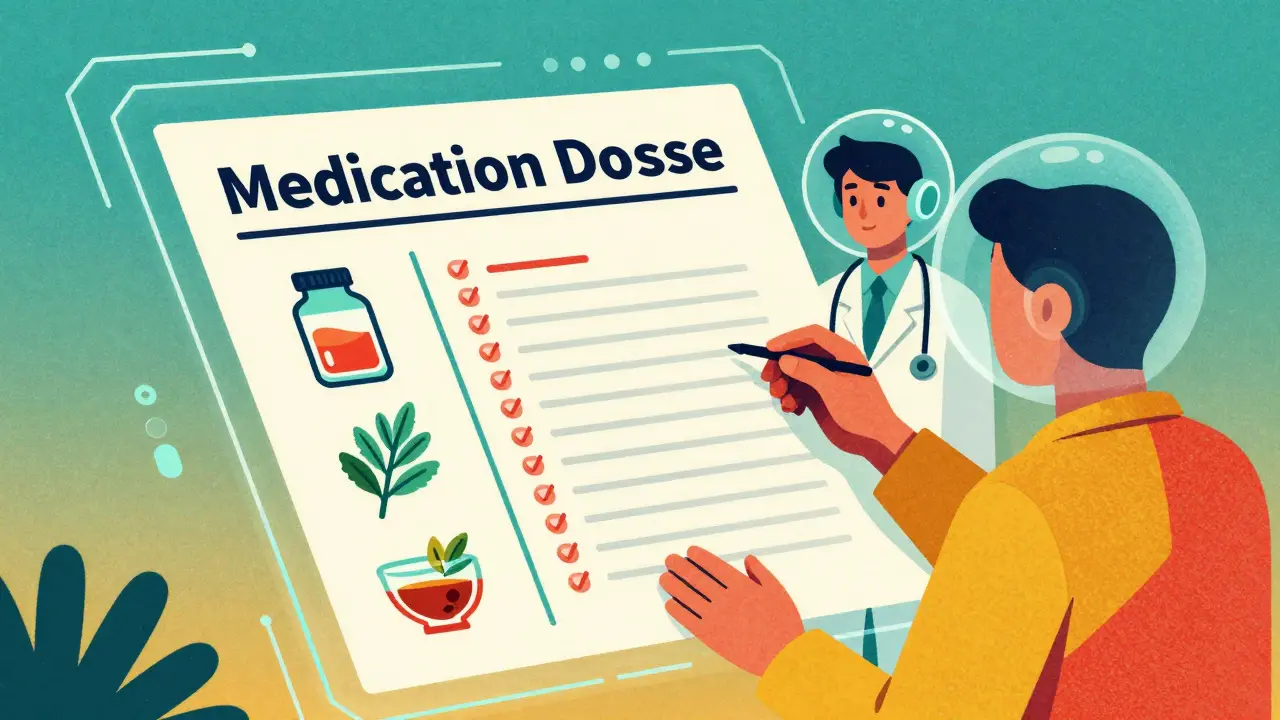
Building Your Pre-Surgery Medication Dossier
Don't rely on your memory when the pressure is on and you're filling out forms in a waiting room. The best way to communicate your history is to arrive with a written list. Your medical team needs a complete picture, not just your prescriptions. This includes:
- Prescription drugs: Everything you take regularly, including dosages.
- Over-the-counter (OTC) meds: Things like ibuprofen or aspirin, which can affect bleeding.
- Supplements: Vitamins, herbal teas, and fish oil. Some supplements can interfere with how anesthesia works or increase bruising.
- As-needed (PRN) meds: Sleep aids, anxiety medication, or migraine relief.
For the drug reactions specifically, create a "reaction profile" for every problematic drug. Instead of saying "I had a bad reaction to a narcotic," write: "Took Codeine in 2015; experienced severe nausea and vomiting within 30 minutes; treated with anti-emetics." This level of detail tells the doctor about the timing and severity, which helps them decide if a similar drug in the same family is safe for you.
| Attribute | What to Document | Why It Matters |
|---|---|---|
| Causative Agent | Exact name of the drug (e.g., Rocuronium) | Prevents administration of the exact trigger. |
| Symptom Onset | How soon after the dose (e.g., 5 minutes) | Helps distinguish between toxicity and allergy. |
| Physical Symptoms | Hives, wheezing, swelling, or rash | Determines the severity of the reaction. |
| Treatment Given | Epinephrine, Benadryl, or oxygen | Indicates if the previous reaction was life-threatening. |
Who You Need to Talk To and When
Communication isn't a one-time event; it's a series of checks. You will likely interact with several professionals, and you should mention your reactions to every single one of them.
First is the pre-admission nurse or surgeon during your initial consult. This is where the bulk of your paperwork happens. Next is the Pharmacist, who in many modern hospital systems, reviews your profile 24 hours before surgery to flag potential interactions. Finally, you'll meet your anesthesiologist. Do not wait until you are in the holding area-stressed and groggy-to bring up a past reaction. Mention it during the preoperative assessment, often held days or weeks before the surgery.
If you've had a truly severe reaction, such as anaphylaxis, ask if you need a referral to an allergologist. Some guidelines suggest that if you need surgery again before a full allergy work-up is completed, you should only proceed for emergency procedures to avoid unnecessary risk. If you have a verified, high-risk allergy, carrying a standardized allergy card is a pro tip that 87% of allergists recommend. It serves as a physical fail-safe if electronic records fail.
Handling "Difficult" Disclosures
Some patients hesitate to be honest about substance use or off-label drug use because they fear judgment or that their surgery will be canceled. However, honesty is a safety requirement, not a moral trial. Certain substances, like monoamine oxidase inhibitors (MAOIs), require very specific "safe anesthesia" protocols. For example, using certain anesthetics with MAOIs can cause dangerous spikes in blood pressure.
If you're worried about how to bring this up, frame the conversation around safety. You can say, "I want to make sure the anesthesia is as safe as possible, so I need to tell you about some other substances I've used." Doctors are trained to handle this information professionally; they care about your vital signs and stability, not your personal history. Being transparent allows them to adjust the timing of your medications-such as stopping NSAIDs 7 days prior or adjusting blood thinners like Ticagrelor-to prevent surgical complications.

What to Do If You're Not Sure About a Drug Name
It's common to forget the name of a drug you took a decade ago. If you can't remember the name, don't just leave it blank. Describe the pill (color, shape) or the reason you were taking it (e.g., "a strong antibiotic for a kidney infection"). Better yet, call your previous pharmacy or primary care doctor to request a medication history report.
If you are moving between different healthcare systems (e.g., seeing a specialist in one city and having surgery in another), don't assume your records have followed you. Electronic Health Records (EHR) are improving, but gaps still exist. Always bring your own physical list. This eliminates the "lost in translation" effect that can occur when a nurse summarizes your history for the surgeon.
What should I do if I forget the name of the drug I reacted to?
Try to remember the reason for the prescription and the approximate year. You can also call your previous pharmacy or primary care provider to get a list of your past medications. Describing the symptoms you had is often more helpful to the anesthesiologist than just a name they might not recognize.
Is a reaction to latex the same as a drug reaction?
While different in cause, they are both critical for the surgical team to know. A latex allergy can cause similar systemic reactions, including anaphylaxis, and requires the use of latex-free equipment and gloves throughout your procedure.
Will my surgery be canceled if I disclose a drug reaction?
Rarely. In most cases, disclosing a reaction simply allows the medical team to choose an alternative medication. It is far safer to reschedule a non-emergency surgery to find a safe drug alternative than to risk an intraoperative reaction.
How early should I start this communication process?
Ideally, start at your first preoperative appointment. Comprehensive medication histories should be completed at least 72 hours before surgery to allow the team time to cross-reference your allergies and adjust your medication schedule.
Should I tell them about vitamins and herbal supplements?
Yes. Many herbal supplements, such as garlic or ginkgo, can thin your blood or interact with anesthetic agents, potentially increasing the risk of bleeding or affecting how you wake up from surgery.
Next Steps for a Safe Surgery
If you are preparing for an upcoming procedure, your first step should be to create a dedicated folder or digital note with your "reaction profile." Gather your current pill bottles and any old medical records. If you have a history of severe reactions, contact an allergist now for a formal verification-don't wait until the week of your surgery. When you arrive at the hospital, don't be afraid to ask, "Who has reviewed my allergy list?" ensuring that the surgeon, anesthesiologist, and nurse are all on the same page.

Billy Wood
Get that list ready!! Don't leave it to chance!!! Stay safe everyone!!!

Mary Johnson
The whole system is designed to keep us in the dark so they can push their pharma agendas and it is honestly terrifying that we have to be our own lawyers just to not die on a table because some bureaucrat forgot to sync a digital file.

Clint Humphreys
It is quite fascinating how the medical establishment frames this as a 'communication' issue when in reality it is a systematic failure of data integrity that honestly feels like a way to shift the liability from the provider to the patient, and while I say this with a smile, we really have to wonder who actually profits from these 'accidental' errors in the long run.

mimi clouet
I always tell my friends to use a color-coded spreadsheet for this! 🌈 It makes it so much easier for the nurses to see at a glance! 📝✨

Princess Busaco
Honestly, the sheer audacity of suggesting a 'dossier' as if we all have a personal secretary to manage our medical trauma is just peak middle-class entitlement, and I find it utterly exhausting that people think a little piece of paper can magically override the systemic incompetence of a hospital staff that can barely find a clean gown let alone a specific drug interaction from 2015.

Shaylia Helland
i just think its so important to remember that everyone in that room is probably just as stressed as the patient and sometimes a little kindness goes a long way even when the paperwork is a total mess and nobody knows what they are doing

Catherine Mailum
oh yeah because we all know how much doctors love it when you try to tell them how to do their jobs... just wonderful

rupa das
who cares about a list the doctors have the records anyway

Tabatha Pugh
Actually, the electronic health records aren't nearly as integrated as people think, especially between different networks, so having your own list is the only way to be 100% sure.

Olivia Lo
The ontological shift from being a patient to becoming an active agent in one's own clinical safety requires a certain level of cognitive labor that the current healthcare paradigm rarely acknowledges, yet this systemic dissonance is exactly why the empirical data on adverse events remains so volatile despite the proliferation of digital registries.

Clare Elizabeth
you got this everyone just be brave and speak up for your health it makes such a huge difference in the end

Ikram Khan
This is such a lifesaver! I had a similar scare years ago and it's wild how much the details matter! 😱 Does anyone else use a specific app for this??

Becca Suttmiller
Writing down the actual symptoms instead of just saying 'allergy' is a really practical tip that helps the doctors a lot.

Rim Linda
OMG imagine if they gave you the wrong drug and you just woke up with a weird rash 😭 I literally cannot even think about it without shaking! 😫
Write a comment