Recent POST

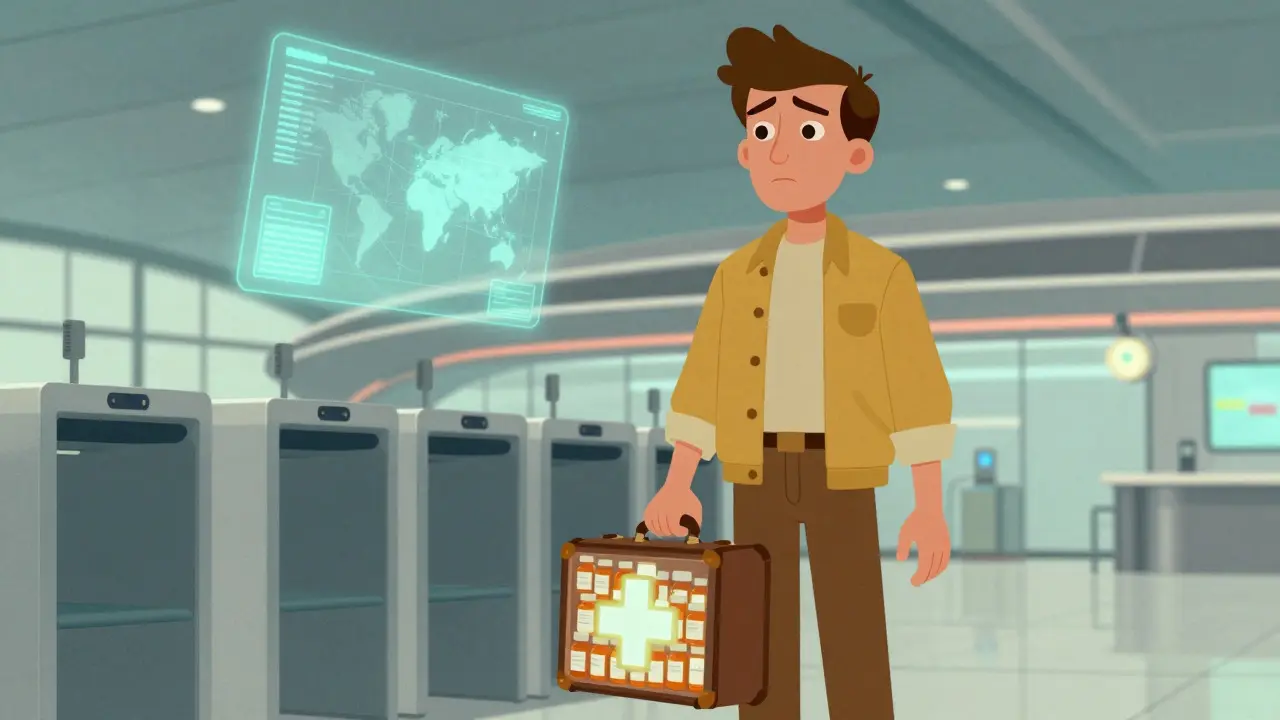
Imagine standing in a busy airport terminal or wandering through a foreign city, only to realize your daily medication is missing from your bag. Or worse, you arrive at your destination, head to the local drugstore, and find that your essential prescription isn't recognized, available, or even legal there. It is a stressful scenario that catches many travelers off guard. According to the International Association for Medical Assistance to Travelers (IAMAT), about half of all travelers face health issues requiring attention while away from home. For those relying on specific drugs, this can mean more than just an inconvenience-it can be a medical emergency.
Navigating international pharmacy systems requires preparation. Regulations vary wildly between countries, and what is easily bought over the counter in one nation might be strictly controlled in another. This guide breaks down exactly how to protect your health, avoid customs headaches, and access care when you need it most.
Key Takeaways
- Carry medications in original containers with pharmacy labels showing your name and doctor's details to satisfy customs in 89% of Schengen Area countries.
- Bring a physician's letter translated into the destination language; this reduces medication confiscation incidents by 73%.
- Plan for time zone changes by adjusting doses gradually rather than skipping them, especially for insulin and anticoagulants.
- Use resources like IAMAT or Walgreens' partner network to locate vetted doctors and pharmacies abroad.
Packing Your Meds Right: The Golden Rules
The biggest mistake travelers make is transferring pills into generic plastic bags or unmarked bottles to save space. Customs officials are trained to spot this, and it often leads to questions, delays, or even confiscation. To keep things smooth, follow these rules:
- Keep Original Containers: Always carry your meds in the boxes or bottles they came in. The label must show your name, the prescribing doctor's name, and the drug details. This is enforced in nearly 90% of Schengen Area countries under European Commission regulations.
- Stick to Personal Use Amounts: Most countries allow you to bring a 30-day supply of prescription medication. Bringing more can look like you are trying to sell drugs. If you need more for a long trip, get a special permit from your destination's embassy before you go.
- Carry a Doctor's Note: Get a letter from your physician listing your conditions, medications, and dosages. Translate this letter into the official language of your destination. Dr. Jane Chen from Johns Hopkins University found that this simple step cuts confiscation risks by 73%.
- Know Generic Names: Brand names change across borders. In Thailand, for example, pharmacists may not recognize "Lexapro" but will know "escitalopram." Always write down the generic name (the active ingredient) for every drug you take.
If you have injectable medications like insulin, remember temperature control. Insulin needs to stay between 2°C and 8°C (36°F to 46°F). Use insulated cool packs, but avoid direct contact with ice, which can freeze and ruin the medicine. The International Air Transport Association recommends keeping these supplies in your carry-on luggage, never in checked bags, where temperatures fluctuate wildly.
Understanding Global Pharmacy Systems
Not all pharmacies work the same way. Knowing the system in your destination country can save you hours of confusion.
| Region/Country | Prescription Requirements | Emergency Access | Key Notes |
|---|---|---|---|
| United Kingdom | Valid UK prescription needed | NHS emergency prescriptions available (£9.65 fee) | GPs can issue short-term scripts if yours runs out. |
| France | Strict prescription enforcement | 72-hour emergency supply without script for some conditions | Pharmacists have high authority; green cross sign identifies shops. |
| Japan | Very strict; US scripts rarely accepted | Limited; few English-speaking pharmacies | Only 24 pharmacies certified for foreigners nationwide. |
| Southeast Asia (Thailand/Cambodia) | Variable; often lax but risky | Easy access but high counterfeit risk | Avoid open markets; stick to licensed chain pharmacies. |
| Australia | Local prescription required | PBS subsidies for reciprocal agreement countries | Americans pay full price; no Medicare coverage abroad. |
In Europe, chains like Boots and Farmacia operate widely, making it easier to find familiar service standards. In contrast, North American chains like CVS and Walgreens have limited global footprints. However, Walgreens does have a partner network in 18 countries with over 3,200 locations, which can be a lifeline for Americans traveling abroad.
Handling Time Zones and Schedules
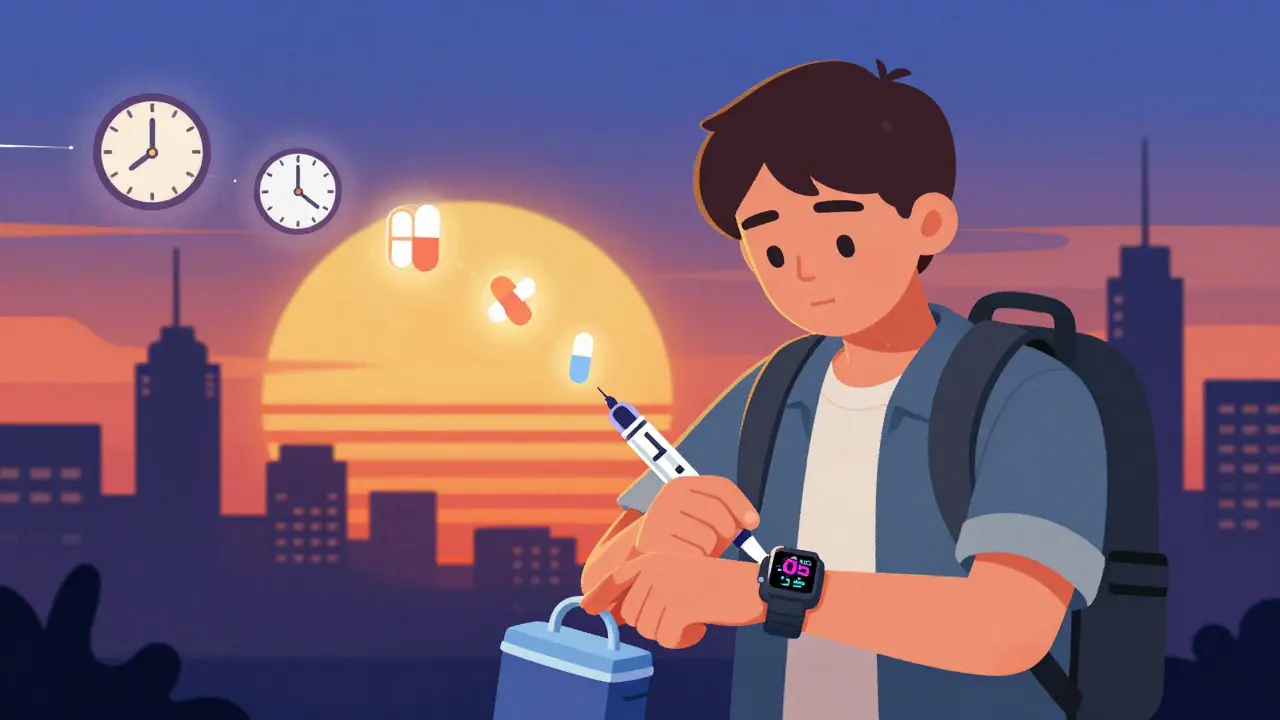
Jet lag affects more than just your sleep. The CDC reports that 47% of travelers struggle with medication timing due to time zone shifts. Missing a dose or doubling up can be dangerous, especially for blood thinners (anticoagulants) or seizure medications.
Here is a practical approach:
- For Once-Daily Meds: Keep taking your pill at the same clock time as you did at home for the first two or three days. Then, slowly shift the time by an hour each day until you match your new local schedule. This method works for 78% of travelers according to Johns Hopkins studies.
- For Insulin: Split your doses during the transition period. Consult your endocrinologist before you fly for a specific plan, as blood sugar levels can swing dramatically with changed meal times and activity levels.
- Set Alarms: Use your phone to set alarms based on your *new* local time immediately upon arrival. Don't rely on memory.
Dr. Michael Rodriguez from the American Pharmacists Association notes that time-sensitive drugs require specific adjustment protocols. Ignoring these can lead to therapeutic failure or toxicity.
Avoiding Counterfeits and Safety Risks
One of the scariest realities of traveling is the prevalence of fake drugs. A 2023 World Health Organization study found that 68% of medications bought in open markets in Cambodia and Thailand contained substandard or counterfeit ingredients. These fakes might contain wrong doses, harmful contaminants, or no active ingredient at all.
To stay safe:
- Stick to Licensed Pharmacies: Look for official signage (like the green cross in Europe) and established chains. Avoid buying meds from street vendors, hotels, or unofficial online sellers.
- Check Packaging: Genuine medications have clear printing, batch numbers, and expiration dates. If the box looks flimsy or the text is blurry, walk away.
- Use Trusted Networks: Services like IAMAT connect you with pre-vetted doctors in 110 countries. Their directory has an 89% satisfaction rate among users. Similarly, apps integrated with Google Maps via the International Pharmaceutical Federation can help locate legitimate pharmacies.
In Mexico and Southeast Asia, counterfeit concerns are particularly high. Trustpilot reviews show that 74% of complaints about international pharmacy services mention fake meds. When in doubt, ask a local hotel concierge or your travel insurance provider for recommendations.
What to Do in an Emergency
If you run out of medication or have a reaction, act quickly. First, check if your travel insurance covers emergency medication purchases. Policies like World Nomads cover up to $2,000 for such expenses, but standard Medicare Advantage plans usually exclude international care.
Steps to take:
- Locate a Clinic: Use the IAMAT app or website to find English-speaking doctors nearby. They can assess your condition and prescribe local alternatives if needed.
- Contact Your Embassy: In severe cases, your home country's embassy can provide lists of local physicians and hospitals. The U.S. Department of State sees a 22% annual increase in medication-related assistance requests, so they are used to handling these situations.
- Have a Backup Supply: The International Society of Travel Medicine recommends carrying a 10-day surplus of medication beyond your planned trip end date. This buffer accounts for flight delays or lost luggage, reducing trip disruptions by 65%.
Remember, prevention is better than cure. Spend 15 minutes talking to your pharmacist before you leave. They can help you organize your meds, print necessary documentation, and advise on storage tips. With the right prep, you can focus on enjoying your travels instead of worrying about your health.
Can I bring my prescription medication in my carry-on bag?
Yes, always keep your medications in your carry-on luggage. Checked bags can experience extreme temperature changes that ruin sensitive drugs like insulin. Plus, if your luggage gets lost, you won't be left without your essential medicines.
Do I need a translator for my prescription?
It is highly recommended. While English is widely spoken in tourism, local pharmacists and customs officers may not understand medical terminology. A translated doctor's note ensures clarity and speeds up the process if you need a refill or face scrutiny.
What should I do if my medication is banned in my destination country?
Check the destination's embassy website before you travel. Some common US drugs, like certain ADHD medications or opioids, are controlled substances elsewhere. You may need prior authorization or a waiver to bring them legally. If unsure, consult a travel medicine specialist.
How much extra medication should I pack?
Pack at least a 10-day surplus beyond your trip's end date. This buffer protects you against flight delays, extended stays, or lost luggage. Just ensure the total amount doesn't exceed the personal use limits defined by customs authorities, typically a 30-90 day supply depending on the country.
Are there apps to find pharmacies abroad?
Yes. The IAMAT app connects you with vetted doctors and pharmacies globally. Additionally, the International Pharmaceutical Federation has integrated pharmacy locators with Google Maps, helping you find legitimate stores near your location instantly.