Recent POST





Senior Diuretic Dehydration Risk Calculator
Patient Profile & Medication
Risk Assessment
Recommendations:
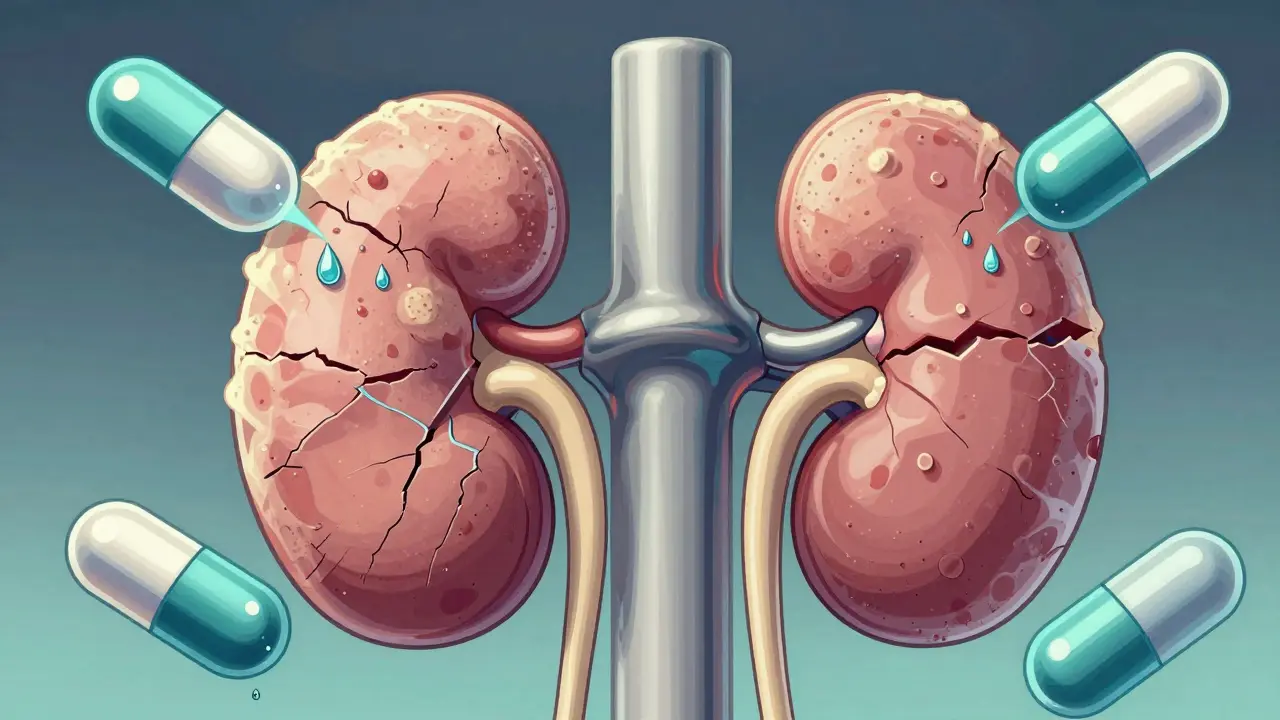
Imagine your kidneys are like a sponge. When you’re young, that sponge is bouncy, absorbent, and holds onto water tightly when needed. But as we age, that sponge gets stiff. It doesn’t hold water as well, and it leaks more easily. Now, add diuretics, which are medications designed to help the body get rid of excess fluid. These drugs force the kidneys to dump water and salt. For an older adult whose kidneys are already struggling to concentrate urine, this combination creates a dangerous trap.
Dehydration in seniors isn't just about feeling thirsty. It is a silent threat that can lead to hospitalization, confusion, and permanent kidney damage within hours. If you or a loved one takes blood pressure medication or heart failure drugs, understanding how to stay hydrated without overloading the system is not optional-it is essential for survival.
Why Aging Kidneys Struggle with Diuretics
To understand the risk, we have to look at what happens inside the body. The primary issue is that our ability to sense thirst and conserve water declines significantly as we get older. Research from the American Geriatrics Society shows that responsiveness to antidiuretic hormone (ADH)-the chemical signal that tells your kidneys to save water-drops by about 40% between the ages of 30 and 80.
At the same time, the kidneys' physical ability to concentrate urine weakens. In a healthy young adult, urine can be highly concentrated (around 1200 mOsm/kg) to save every drop of water. In adults over 65, that maximum concentration drops to 500-700 mOsm/kg. This means older adults lose more water through urine even when they are dehydrated.
When you introduce loop diuretics like furosemide or bumetanide, the problem worsens. These powerful medications block sodium reabsorption in the nephrons, causing the body to excrete 20-25% of its sodium load. Thiazide diuretics, such as hydrochlorothiazide, cause less sodium loss (5-10%) but still push significant fluid out. The result? A rapid depletion of blood volume that the aging kidneys cannot compensate for.
The Silent Signs of Dehydration in Seniors
Most people think dehydration means dry mouth and dark urine. While those are signs, they are often late indicators in older adults. By the time an elderly person feels thirsty, they may already be dangerously dehydrated. According to a 2022 survey by the National Council on Aging, 68% of elderly diuretic users couldn't accurately identify early warning signs.
You need to watch for these subtler symptoms:
- Dizziness upon standing: A drop in systolic blood pressure of more than 20mmHg when moving from sitting to standing suggests low blood volume.
- Confusion or lethargy: Brain function slows down when electrolytes are imbalanced. Sudden confusion is reported in 78% of severe dehydration cases.
- Rapid weight loss: Losing more than 2kg (about 4.4 lbs) in a week is a red flag. This is usually water weight, indicating excessive fluid loss.
- Decreased urine output: Producing less than 400mL of urine in a day (oliguria) is a critical sign of kidney stress.
If you notice any of these, do not wait. Contact a healthcare provider immediately. Acute kidney injury (AKI) can develop quickly, with serum creatinine levels rising by 0.3 mg/dL or more within just 48 hours.
Diuretic Types and Their Specific Risks
Not all diuretics carry the same level of dehydration risk. Understanding which class of medication your loved one is taking helps tailor prevention strategies.
| Diuretic Class | Common Examples | Dehydration Risk | Key Side Effect Concern |
|---|---|---|---|
| Loop Diuretics | Furosemide, Bumetanide | High | Rapid fluid loss, electrolyte imbalance |
| Thiazides | Hydrochlorothiazide, Chlorthalidone | Moderate | Low sodium (hyponatremia), long-term imbalance |
| Potassium-Sparing | Spironolactone, Amiloride | Low | High potassium (hyperkalemia) |
Loop diuretics are often prescribed for heart failure patients with reduced ejection fractions. They are effective but aggressive. Thiazides are common for hypertension but pose a higher risk of hyponatremia (low sodium), affecting 14% of elderly users compared to 8% for loop diuretics. Potassium-sparing diuretics are gentler on fluid balance but require careful monitoring of potassium levels, especially if the patient has chronic kidney disease (CKD).

Practical Hydration Strategies That Work
So, how much water should an older adult on diuretics drink? There is no one-size-fits-all number, but guidelines suggest aiming for 1.5 to 2.0 liters daily unless otherwise directed by a doctor. However, simply telling someone to "drink more" rarely works. You need structure.
Here are evidence-based strategies to prevent dehydration:
- Schedule Water Intake: Instead of waiting for thirst, set a timer. Drinking 150mL (about half a cup) every two waking hours keeps fluid levels stable. A 2022 study showed this structured approach reduced AKI incidence by 34% in assisted living facilities.
- Use Visual Cues: Marked water bottles help track progress. Caregivers report a 45% increase in adherence when using bottles with time stamps.
- Incorporate Hydrating Foods: Watermelon, cucumbers, soups, and broths contribute to fluid intake and provide electrolytes. This is easier for seniors who may struggle to drink large volumes of plain water.
- Monitor Urine Color: Aim for pale yellow. Dark amber urine indicates concentration and potential dehydration. Clear urine might mean over-hydration, which can also be risky for heart failure patients.
Avoid "catch-up" drinking. If a senior realizes they haven't drunk enough water, chugging large amounts rapidly can cause hyponatremia, where sodium levels drop dangerously low. Slow, steady intake is safer.
Medication Management and Doctor Visits
Prevention also involves working closely with healthcare providers. The American Geriatrics Society recommends reducing diuretic doses by 30-50% for patients over 75 with reduced kidney function. Never adjust medication without medical advice, but do ask questions.
During annual wellness visits, ensure these checks are performed:
- Serum Electrolyte Panel: Check sodium, potassium, and chloride levels every 3-6 months.
- Kidney Function Tests: Monitor serum creatinine and estimated glomerular filtration rate (eGFR). Newer tests like cystatin C may offer more accuracy in elderly patients.
- Drug Interaction Review: Avoid NSAIDs like ibuprofen or naproxen. Combining NSAIDs with diuretics increases the risk of acute kidney injury by 300%. Use acetaminophen for pain relief instead, unless contraindicated.
If a patient experiences frequent falls, dizziness, or hospitalizations for dehydration, discuss alternative treatments. SGLT2 inhibitors, for example, show promise in managing heart failure with a lower dehydration risk, though cost can be a barrier.

Technology and Monitoring Tools
For caregivers, keeping track of fluid intake and output can be overwhelming. Technology is stepping in to help. Smart water bottles, such as the HidrateSpark PRO, sync with apps to remind users to drink and log intake. Wearable hydration monitors are also emerging, offering real-time data on fluid status.
While these tools are helpful, they don't replace human observation. Daily weight checks remain one of the most reliable methods. Weigh the patient at the same time each morning, after urinating but before eating. Record the weight. A sudden spike or drop signals fluid retention or loss, respectively.
FAQs About Elderly Dehydration and Diuretics
How much water should an elderly person on diuretics drink?
Generally, 1.5 to 2.0 liters per day is recommended, but this varies based on heart and kidney function. Always follow specific instructions from a healthcare provider, as too much fluid can worsen heart failure.
What are the first signs of dehydration in seniors?
Early signs include dizziness when standing, confusion, fatigue, and dry skin. Unlike younger adults, seniors may not feel thirsty until dehydration is severe.
Can diuretics cause permanent kidney damage?
Repeated episodes of acute kidney injury (AKI) due to dehydration can lead to chronic kidney disease (CKD). Proper hydration and medication management are crucial to preventing long-term damage.
Is it safe to take ibuprofen while on diuretics?
No. NSAIDs like ibuprofen reduce blood flow to the kidneys and increase the risk of acute kidney injury by 300% when combined with diuretics. Consult a doctor for safer pain relief options.
How can I tell if my parent is drinking enough water?
Monitor urine color (aim for pale yellow), check daily weight for sudden changes, and use marked water bottles or reminders. Consistent intake throughout the day is better than large amounts at once.