Recent POST


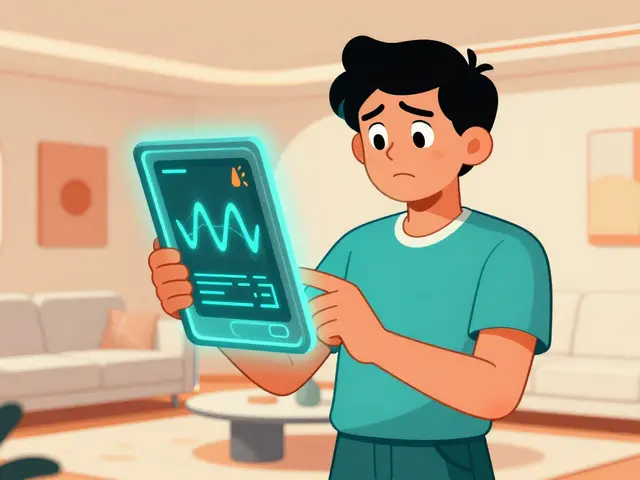



Your doctor just handed you a lab result that says you have prediabetes, which is a metabolic condition where blood glucose levels are higher than normal but not yet high enough to be classified as type 2 diabetes. It’s easy to feel panicked. You might think this is a one-way ticket to a life of injections and strict dietary restrictions. But here is the truth: prediabetes is reversible. In fact, it is your body sending you a loud, clear warning signal that you still have time to change the outcome.
More than one in three adults in the United States has prediabetes, yet over 80% don’t even know they have it. Without action, there is a 50% chance you will develop full-blown type 2 diabetes within five years. That statistic is scary, but it also means there is a 50% chance you won’t if you take the right steps. The good news? You don’t need magic pills or extreme starvation diets to fix this. Science shows that specific, manageable lifestyle changes can lower your risk of developing type 2 diabetes by up to 58%. Let’s look at exactly how to do that.
Understanding the Numbers: What Defines Prediabetes?
Before you can fight the problem, you need to understand what you are fighting. Prediabetes isn't a vague feeling; it is defined by specific numbers from standard blood tests. Knowing these helps you track your progress objectively rather than guessing based on how you feel.
| Test Type | Normal Range | Prediabetes Range | Type 2 Diabetes Range |
|---|---|---|---|
| Fasting Plasma Glucose | Less than 100 mg/dL | 100-125 mg/dL | 126 mg/dL or higher |
| HbA1c (Average Blood Sugar) | Below 5.7% | 5.7% - 6.4% | 6.5% or higher |
| Oral Glucose Tolerance Test (2-hour) | Less than 140 mg/dL | 140-199 mg/dL | 200 mg/dL or higher |
If your numbers fall into those middle columns, your cells are becoming resistant to insulin, a hormone produced by the pancreas that allows glucose to enter cells for energy. When insulin resistance sets in, glucose stays in your bloodstream instead of fueling your cells. This spikes your blood sugar and forces your pancreas to work overtime. Over time, the pancreas burns out, leading to type 2 diabetes. The goal of reversal is to restore sensitivity so insulin works again.
The Weight Loss Myth: Why Fat Distribution Matters More
You’ve probably heard that losing weight is the key to fixing prediabetes. While losing 5% to 7% of your body weight is a great target, recent research suggests it’s not the only path-and maybe not even the most important one. A study published in Nature Medicine revealed something surprising: people who reversed their prediabetes often did so without significant weight loss. Instead, they saw a major reduction in visceral fat-the deep belly fat that wraps around your organs.
This distinction is crucial. Visceral adipose tissue is metabolically active and releases inflammatory chemicals that block insulin signals. Subcutaneous fat (the kind under your skin) is less harmful. So, if you are focusing solely on the scale, you might miss the point. The goal is to shrink that dangerous belly fat through diet and movement, regardless of whether the number on the bathroom scale drops dramatically. As Dr. Andreas Birkenfeld from the University Hospital Tübingen noted, lifestyle interventions can bring glucose levels back to normal even with modest weight gain, provided the internal metabolic health improves.
Dietary Shifts: What to Eat and What to Avoid
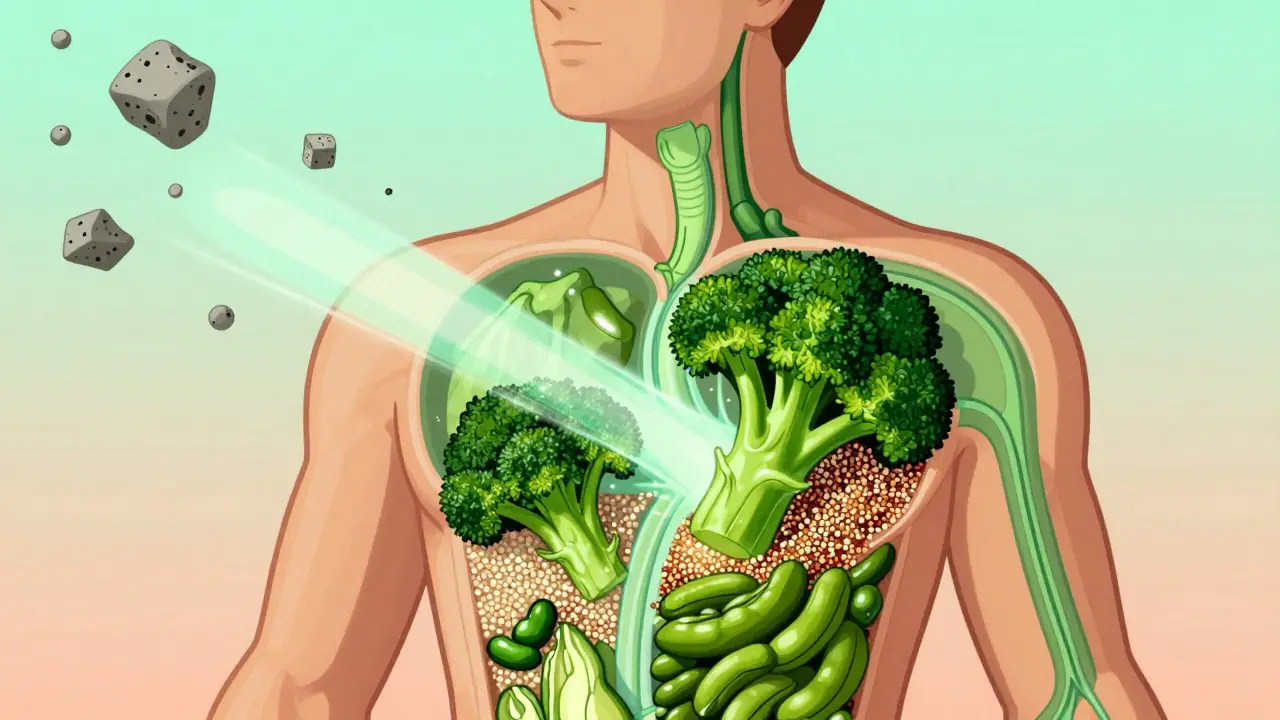
There is no single "diabetes diet" that works for everyone, but there are universal principles that help lower blood sugar. The core strategy is to reduce the speed at which glucose enters your bloodstream. Here is how to adjust your plate:
- Swap Refined Grains for Whole Grains: White bread, white rice, and pastries spike blood sugar quickly. Switch to intact whole grains like farro, quinoa, oatmeal, and brown rice. These contain fiber, which slows digestion and prevents sugar spikes.
- Cut Added Sugars: Sugary drinks, juices, and candies are the fastest way to overwhelm your system. Even natural fruit juices lack the fiber found in whole fruits, causing rapid glucose absorption.
- Fill Half Your Plate with Non-Starchy Vegetables: Leafy greens, broccoli, peppers, and zucchini add volume and nutrients without adding calories or carbs. If your plate looks mostly beige, it’s likely too heavy on refined carbs.
- Increase Fiber Intake: Legumes, beans, lentils, and vegetables are rich in fiber. Aim for at least 25-30 grams per day. Fiber acts like a net, slowing down sugar absorption.
- Choose Healthy Fats: Avocados, nuts, seeds, and olive oil help keep you full and stabilize blood sugar. They do not raise blood glucose directly.
Dr. Van Name from Yale Medicine suggests a simple visual check: if much of the food on your plate is green, that’s great. If it’s all beige, it’s often a less healthy meal. Processed red meats should also be minimized, as they are linked to increased insulin resistance.
Movement as Medicine: The 150-Minute Rule
Exercise does more than burn calories; it makes your muscles more sensitive to insulin. When you move, your muscles use glucose for energy without needing as much insulin. This effect can last for hours after your workout.
The CDC recommends at least 150 minutes of moderate-intensity exercise per week. That breaks down to about 30 minutes a day, five days a week. Moderate intensity means you can talk but not sing during the activity. Brisk walking, swimming, or cycling all count. You don’t need to run marathons. Consistency beats intensity here. Even breaking this up into three 10-minute walks after meals can significantly blunt post-meal blood sugar spikes.
Strength training is also vital. Building muscle mass gives your body more places to store glucose, lowering overall blood sugar levels. Try to include two days of resistance training per week, using bodyweight exercises, resistance bands, or weights.

Programs and Support: You Don’t Have to Do It Alone
Changing habits is hard. Willpower alone rarely sustains long-term change. This is why structured programs exist. The CDC’s national Diabetes Prevention Program (DPP), a structured lifestyle intervention program designed to prevent type 2 diabetes in high-risk individuals, has been operational since 2012. It consists of an intensive 16-week course followed by a maintenance phase. Participants work with trained lifestyle coaches to set goals, track progress, and solve problems.
Research shows that people in these programs lose an average of 5.6% of their body weight at 12 months and significantly reduce their diabetes risk. There are over 1,600 CDC-recognized programs across the U.S., available both in-person and online. Many are covered by insurance, including Medicare. If you live outside the U.S., similar evidence-based programs may be available through local health services or private practitioners. Finding a coach or support group provides accountability, which is often the missing link in successful reversal.
Long-Term Outlook: Sustaining the Change
Reversing prediabetes isn’t a sprint; it’s a marathon. Studies indicate that maintaining lifestyle changes for at least three years yields the most significant protective effects against diabetes progression. The benefits compound over time. One study showed that achieving remission cuts future type 2 diabetes risk by approximately 70% over up to ten years.
It’s important to monitor your progress. Get your HbA1c checked every six months until it returns to normal, then annually. This data tells you if your strategies are working. Remember, prediabetes is a warning, not a sentence. By focusing on whole foods, regular movement, and reducing visceral fat, you can reclaim your metabolic health. Start small, stay consistent, and trust the process.
Can prediabetes be reversed completely?
Yes, prediabetes can often be reversed to normal glucose levels through lifestyle changes such as weight loss, increased physical activity, and dietary modifications. Some studies show that even without significant weight loss, reducing visceral fat and improving insulin sensitivity can lead to remission.
How long does it take to reverse prediabetes?
The timeline varies by individual, but many people see improvements in blood sugar levels within weeks to months of starting lifestyle changes. Long-term sustainability is key, with studies showing that maintaining changes for at least 3 years provides the best protection against progressing to type 2 diabetes.
Is medication necessary for prediabetes?
Medication is not always necessary. Lifestyle modification is considered the first-line approach. However, in some cases, doctors may prescribe medications like metformin, especially if lifestyle changes aren't enough or if there are other high-risk factors. Always consult your healthcare provider before starting any medication.
What foods should I avoid with prediabetes?
Avoid sugary drinks, refined carbohydrates (white bread, white rice, pastries), processed meats, and foods high in added sugars. Focus on whole, unprocessed foods like vegetables, fruits, legumes, whole grains, and lean proteins.
Does exercise really help lower blood sugar?
Yes, exercise increases insulin sensitivity, allowing your muscles to use glucose more effectively. Both aerobic exercise (like walking) and strength training are beneficial. Aim for at least 150 minutes of moderate-intensity activity per week.

Megan Crossland
it is absolutely shameful that we let people eat themselves to death in this country
you dont need a doctor to tell you sugar is poison
just look at the obesity epidemic
people are lazy and entitled
they want a pill instead of doing the work
prediabetes is a moral failing
you chose to sit on your couch and eat processed garbage
now you have to pay for it with your health
stop whining about strict diets
real food tastes good if you stop eating trash
the system is broken because we allow corporations to sell sludge as food
take responsibility for your body
its not that hard

Jairam Prasad
ah yes the western obsession with numbers and scales
as if health can be quantified by a single metric like HbA1c
in my culture we understand balance before we understand biology
but sure keep counting minutes and grams
perhaps if you spent less time measuring and more time living you would find equilibrium
the article speaks of visceral fat as if it is an enemy to be defeated
yet the body is not a battlefield but a garden
one does not conquer nature one cultivates it
your sarcasm is noted but your wisdom is lacking
maybe try walking without counting steps first

Gary Hull
i mean everyone knows carbs are bad right
why are they still telling us to eat whole grains
whole grains are just slow acting poison
you think quinoa is gonna save you from insulin resistance
lol
metformin is way easier than changing your life
plus the pharma industry needs us sick to stay in business
lifestyle changes are just a scam to keep us busy
i ate pizza last night and im fine
so why should i care about these stats
probably just another study paid for by someone selling supplements
dont trust the science trust your gut
which is probably full of fiber now thanks to this article

Padraic Cepek
this is what happens when you rely on foreign advice for domestic problems
american healthcare is already failing us and now we are being told to walk more
where is the real solution
we need strong leadership not lifestyle tips
the government should ban sugary drinks entirely
if they can regulate air quality they can regulate our plates
importing ideas from europe always ruins things
we do things better here if only we had the will
instead we get weak suggestions like eat more veggies
pathetic
get off the welfare of bad habits and stand up for yourself
america deserves better than this half measure advice

Mildred Fierce
let us dissect the fallacy of the fifteen minute rule
the author suggests that moderate intensity exercise is sufficient
however the physiological response to glucose uptake requires significant muscular engagement
merely walking while conversing fails to deplete glycogen stores adequately
therefore the recommendation is fundamentally flawed
one must engage in high intensity interval training to see true metabolic shifts
anything less is merely placebo effect masquerading as medical advice
the data presented is cherry picked to support a narrative of ease
but biology does not care about your comfort level
visceral fat reduction requires caloric deficit not just movement
so spare me the gentle encouragement
the truth is harsh and demanding
most people will fail because they lack the discipline
and that is their burden to bear

Trey Newkerk
OH THE HORROR
imagine having to eat vegetables
the sheer tragedy of it all
you people act like prediabetes is a disease
it is a state of being
a reflection of the soul's decay
when you ignore your body you invite chaos into your existence
the pancreas burns out because you burned out your spirit first
exercise is not medicine it is penance
you must suffer through the sweat to cleanse the glucose from your veins
do not seek reversal seek transformation
because until you change who you are the numbers will never change
this article is a band aid on a gunshot wound
you need surgery
you need to cut away the weak parts of yourself
start today or die slowly tomorrow
the choice is yours but make no mistake
the universe is watching and it is judging your plate

Charles PINSON
the distinction between subcutaneous and visceral adipose tissue is well known among those who actually read primary literature
yet the general public continues to obsess over the scale
it is amusing really how the masses prefer simple metrics over complex biological realities
the study cited from Nature Medicine is indeed interesting
but it ignores the socioeconomic factors that dictate dietary choices
not everyone has access to farro and quinoa
or the leisure time for one hundred fifty minutes of weekly exercise
so while the science is sound the application is elitist
only the privileged can afford to reverse prediabetes through lifestyle
the rest of us are left with metformin and regret
a poignant commentary on modern inequality disguised as health advice

John Anderson
stop eating junk
walk more
thats it
why is this so hard for people
you know sugar is bad
you know sitting is bad
so just fix it
no need for long articles
common sense works if you use it
get off the computer and go outside
eat an apple instead of a cookie
simple logic applies here
input determines output
garbage in garbage out
fix your diet fix your blood
end of story
Write a comment