Recent POST


Serotonin Syndrome Risk & Symptom Checker
Step 1: Medication Risk Assessment
Step 2: Early Symptom Check (Hunter Criteria)
Check any symptoms you are currently experiencing. The presence of specific neuromuscular signs combined with serotonergic medication use is diagnostic.
Neuromuscular Signs
- Spontaneous Clonus (rhythmic jerks)
- Inducible Clonus (ankle jerk)
- Tremor
- Hyperreflexia (overactive reflexes)
- Muscle Rigidity
Mental Status Changes
- Agitation / Anxiety
- Confusion
- Restlessness
- Coma (Severe)
Autonomic Instability
- Rapid Heart Rate
- High Blood Pressure
- Sweating (Diaphoresis)
- Dilated Pupils
- Fever (>38°C / 100.4°F)
Imagine taking a painkiller for a bad back while already on an antidepressant, only to develop uncontrollable shivering, a racing heart, and muscle stiffness hours later. This isn't just bad luck; it's serotonin syndrome, a potentially life-threatening reaction caused by too much serotonin in your brain. With millions of people using both SSRIs (selective serotonin reuptake inhibitors) and opioids for chronic pain or mood disorders, understanding this specific drug interaction is critical for patient safety.
You don't need to be a doctor to spot the warning signs. However, knowing which combinations are dangerous and how to prevent them can save lives. This guide breaks down the science behind the risk, identifies the high-risk drugs, and offers practical steps you and your healthcare provider can take to stay safe.
What Is Serotonin Syndrome?
Serotonin Syndrome is a clinical condition resulting from excessive serotonergic activity in the central nervous system. It occurs when medications that increase serotonin levels are combined, leading to hyperstimulation of serotonin receptors. Unlike an allergic reaction, which involves the immune system, serotonin syndrome is a dose-dependent toxicity issue. The severity of symptoms correlates directly with the amount of excess serotonin present.
The condition was first described in the 1950s following the introduction of MAOIs (monoamine oxidase inhibitors), but it has become increasingly common due to the widespread use of SSRIs like fluoxetine and sertraline, alongside various opioids. According to data from the FDA’s Adverse Event Reporting System, thousands of cases are reported annually, with a significant portion involving opioid-antidepressant combinations. While mild cases resolve quickly after stopping the offending drugs, severe cases can lead to organ failure if not treated promptly.
How SSRIs and Opioids Interact
To understand the risk, you have to look at how these drugs affect the serotonin transporter (SERT). SERT is responsible for removing serotonin from the synaptic cleft. SSRIs work by blocking SERT, keeping serotonin active longer. Some opioids also inhibit SERT or interact with serotonin receptors directly.
Not all opioids carry the same risk. Here is how they break down based on their mechanism of action:
- High-Risk Opioids: Tramadol, methadone, and pethidine (meperidine) significantly inhibit SERT. Tramadol, in particular, has a strong affinity for the transporter, making it a major culprit in serotonin syndrome cases.
- Moderate/Low-Risk Opioids: Fentanyl shows no direct SERT inhibition in lab studies but has receptor affinity, leading to some clinical reports. Codeine, morphine, oxycodone, and buprenorphine generally show minimal to no SERT inhibition, making them safer alternatives when combined with SSRIs.
The combination of an SSRI and a high-risk opioid creates a 'double hit' on serotonin regulation. For example, tramadol has 30 times greater SERT affinity than morphine. When paired with an SSRI, the cumulative effect can push serotonin levels into toxic territory, even at standard therapeutic doses.
Identifying High-Risk Combinations
Not every pairing is equally dangerous. The risk depends on the specific drugs involved and the patient's individual biology. Certain factors amplify the danger, such as kidney or liver impairment, which slows drug metabolism, or genetic variations in the CYP2D6 enzyme.
| Opioid | SERT Inhibition | Risk Level with SSRIs | Key Note |
|---|---|---|---|
| Tramadol | High | Very High | Most common cause of SS in opioid-SSRI pairs; 4.4x higher risk than morphine. |
| Methadone | High | High | Long half-life complicates monitoring; often used in addiction treatment. |
| Pethidine (Meperidine) | High | High | Rarely used now due to toxicity, but remains a high-risk agent. |
| Fentanyl | Low/None (in vitro) | Moderate | Clinical cases exist despite negative lab data; receptor affinity plays a role. |
| Morphine/Oxycodone | Negligible | Low | Preferred alternatives for patients on SSRIs requiring opioid analgesia. |
It is crucial to note that MAOIs represent the highest risk category overall. If a patient is transitioning from an MAOI to an SSRI or adding an opioid, a washout period is essential. Fluoxetine, for instance, requires a 5-week washout due to its long half-life, whereas other SSRIs may only need 1-2 weeks.

Recognizing the Symptoms Early
Serotonin syndrome typically develops within hours of starting a new medication or increasing a dose. Early detection is key to preventing progression to severe toxicity. The Hunter Criteria are the gold standard for diagnosis, focusing on specific neuromuscular signs.
Look for these three core symptom clusters:
- Neuromuscular Abnormalities: Spontaneous clonus (rhythmic muscle jerks), inducible clonus, tremor, hyperreflexia (overactive reflexes), and muscle rigidity.
- Mental Status Changes: Agitation, confusion, anxiety, or in severe cases, coma.
- Autonomic Instability: Rapid heart rate, high blood pressure, sweating (diaphoresis), dilated pupils, and fever.
A classic early sign is 'shivering you can't control.' Patients often describe feeling 'burning from inside' or experiencing sudden, intense muscle spasms. If you notice these symptoms appearing shortly after starting or adjusting an SSRI or opioid, seek medical attention immediately. Delayed diagnosis is a major issue, with nearly 44% of cases initially misdiagnosed as other conditions like neuroleptic malignant syndrome.
Prevention Strategies for Patients and Providers
Preventing serotonin syndrome is about smart prescribing and vigilant monitoring. You don't always have to choose between pain relief and mood stability, but you do have to choose the right drugs.
Medication Selection
If you are on an SSRI and need pain management, ask your doctor about lower-risk opioids. Morphine, oxycodone, or hydromorphone are generally safer choices than tramadol or methadone. Avoid combining multiple serotonergic agents unless absolutely necessary and closely monitored.
Dosing and Monitoring
When a high-risk combination is unavoidable, start with 50% of the standard opioid dose. Monitor closely for the first 72 hours. Keep a log of any unusual symptoms, especially shivering, diarrhea, or rapid heartbeat.
Patient Education
Carry a list of all your medications, including over-the-counter drugs and supplements. Some supplements, like St. John's Wort, also affect serotonin levels and can contribute to the risk. Inform every healthcare provider you see-including dentists and ER doctors-that you are taking an SSRI and an opioid.
Treatment and Emergency Response
If serotonin syndrome is suspected, the immediate step is to stop the serotonergic agents. Mild cases often resolve within 24-72 hours of discontinuation. For moderate to severe cases, hospitalization is required for supportive care.
Treatment includes:
- Cyproheptadine: A serotonin antagonist used to block excess serotonin effects. Typical dosing starts at 12 mg, followed by 2 mg every 2 hours as needed.
- Benzodiazepines: Used to control agitation and reduce muscle rigidity.
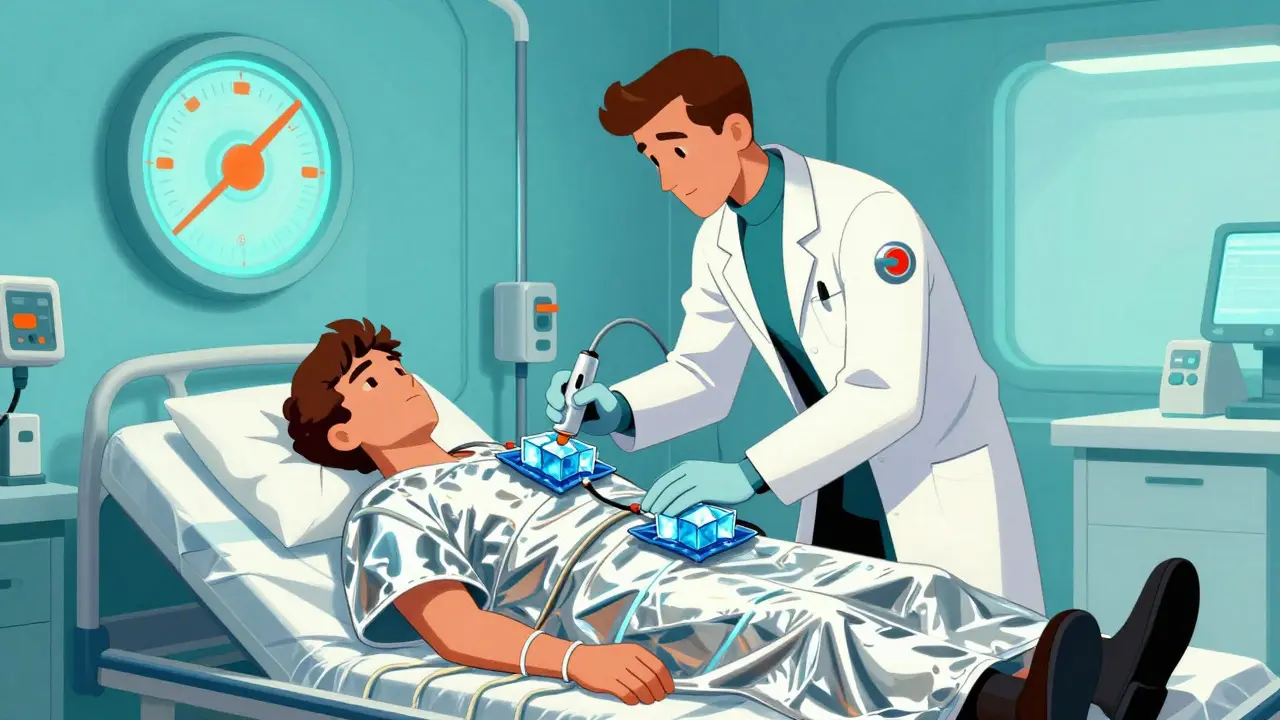
- Aggressive Cooling: External cooling measures are critical if body temperature exceeds 41.1°C (106°F).
Severe untreated cases carry a mortality rate approaching 10%, highlighting the importance of rapid intervention. Do not wait for symptoms to worsen; early treatment dramatically improves outcomes.
Frequently Asked Questions
Can I take tramadol if I am on an SSRI?
You can, but it carries a higher risk of serotonin syndrome compared to other opioids like morphine or oxycodone. If your doctor prescribes tramadol, they should monitor you closely for the first few days. Discuss whether a lower-risk alternative might be suitable for your pain management needs.
How fast does serotonin syndrome develop?
Symptoms usually appear within hours of starting a new medication or increasing a dose. In rare cases, it can take up to 24 hours. Because it happens quickly, staying alert to changes in your physical state after medication adjustments is vital.
Is fentanyl risky for people on antidepressants?
Fentanyl presents a moderate risk. While it doesn't strongly inhibit the serotonin transporter in lab tests, it does interact with serotonin receptors. Clinical case reports confirm that serotonin syndrome can occur, so caution is still advised, especially at higher doses.
What should I do if I think I have serotonin syndrome?
Stop taking the suspect medications if possible and seek medical help immediately. Call emergency services if you experience high fever, severe rigidity, or confusion. Bring your medication bottles with you so doctors know exactly what you've taken.
Do older adults face higher risks?
Yes. Older adults often take more medications (polypharmacy) and may have reduced kidney or liver function, which slows drug clearance. This makes them more susceptible to toxicity from standard doses. The Beers Criteria specifically flags tramadol as potentially inappropriate for older adults on SSRIs.