Tag: bioequivalence

How to Compare Bioavailability and Bioequivalence Concepts for Generic vs Brand Drugs
Bioavailability measures how much of a drug enters your bloodstream; bioequivalence proves generics match brand drugs in absorption. Learn how regulators use AUC and Cmax to ensure generics are safe and effective.

Generic Drug Approval Standards: Safety, Quality, and Strength Requirements
Generic drugs must meet the same strict safety, strength, and quality standards as brand-name drugs. The FDA's bioequivalence testing and manufacturing inspections ensure they work just as well - at a fraction of the cost.
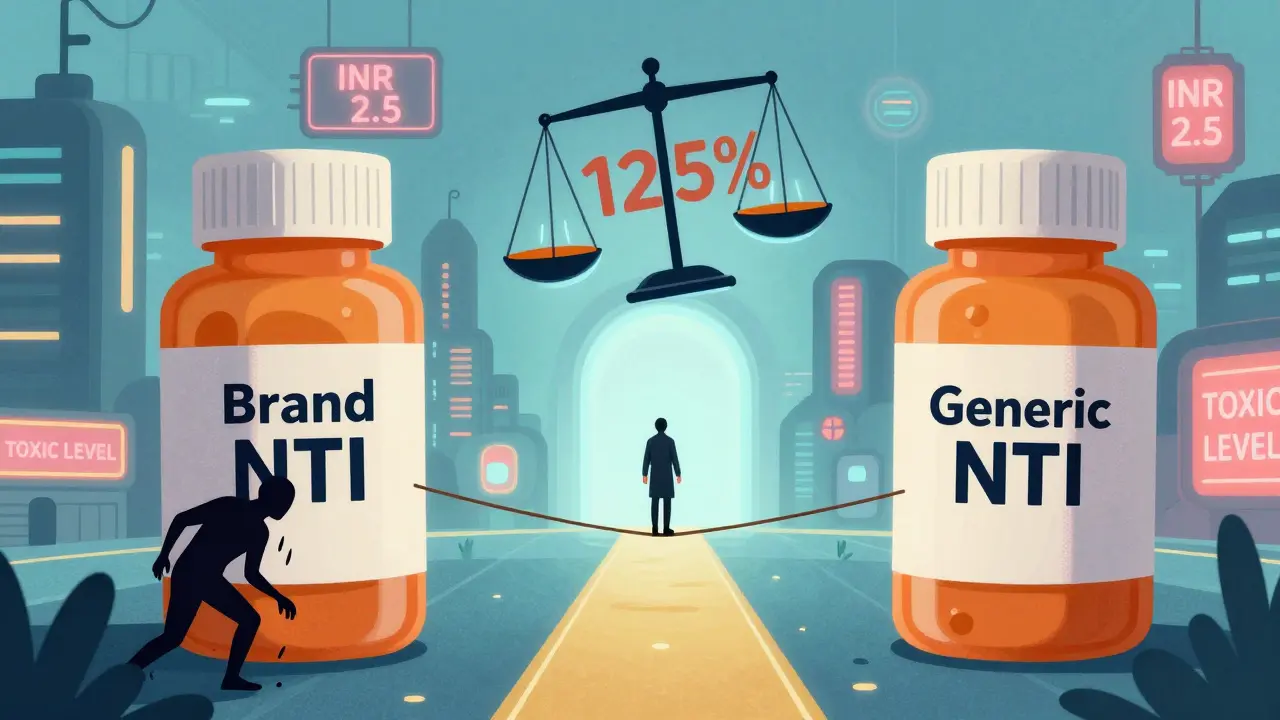
Clinical Outcomes After NTI Generic Switches: What Studies Show
Studies show that switching to generic versions of narrow therapeutic index (NTI) drugs like warfarin, phenytoin, and cyclosporine can lead to dangerous fluctuations in drug levels. Learn what the evidence says-and how to protect yourself.

Generic Drugs: What They Are and How They Work
Generic drugs contain the same active ingredients as brand-name medications and are proven to be equally safe and effective. They cost up to 85% less and make up 90% of U.S. prescriptions. Learn how they're approved, why they're cheaper, and when to use them.
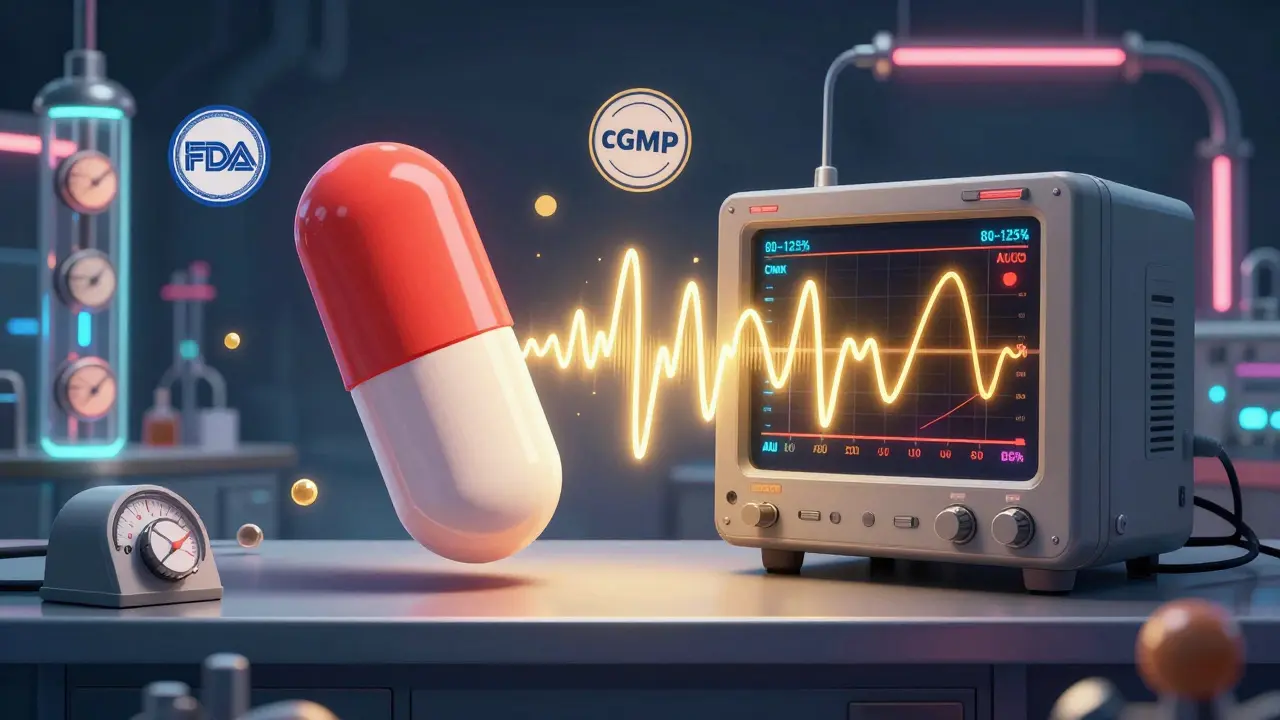
FDA Safety Standards: How Generic Drugs Meet Brand Name Drug Requirements
The FDA requires generic drugs to prove they're identical in active ingredients, strength, and how the body absorbs them. Rigorous testing, strict manufacturing rules, and real-world data confirm generics are just as safe and effective as brand-name drugs.